
How to Choose the Best Fabrics for Sustainable Fashion
Discover how to choose fabrics that are stylish, comfortable, and gentle on the environment. Make sustainable fashion choices with our expert guide.

31 min read
Surprisingly, the fashion industry releases more microfibers into the oceans each year than the weight of Paris’s Eiffel Tower — a reminder that choosing the right materials matters on a planetary scale.
Picking sustainable fashion fabrics isn’t just about trendy labels. Lower-impact or preferred materials cut resource use, reduce chemical and energy demands, and limit harm to people and ecosystems when garments are cared for and disposed of correctly.
The landscape shifts fast: startups and technologies rise and fall, and recent industry moves show how risky scaling new materials can be. Still, there are clear winners to know: recycled cotton, organic linen, organic hemp, TENCEL Lyocell, ECONYL, and recycled wool offer reliable pathways to lower impact while keeping quality and wearability in mind.
Experts advise favoring natural fibres like linen and organic cotton and branded man-made cellulosic fibres such as TENCEL and EcoVero over virgin polyester and acrylic. That choice reduces microplastic shedding, cuts carbon footprint, and improves breathability. Equally important: extend the life of the clothes you already own and prioritize brands with traceable sourcing and strong processing standards.
Key Takeaways
- Understand that fabric choice affects water, energy, and microplastic pollution.
- Prioritize lower-impact materials: recycled cotton, linen, hemp, TENCEL Lyocell, ECONYL, and recycled wool.
- Favor natural fibres and branded MMCFs over virgin synthetics when possible.
- Look for brands with transparent sourcing, certifications, and clear processing claims.
- Extend garment life through care and repair to amplify the benefits of sustainable fabrics.
Understanding sustainable fashion fabrics: what “lower impact” really means
Lower impact materials are fabrics that use fewer resources and less energy across their life cycle. They aim to reduce harm to people, animals, and the planet when garments are made, worn, and disposed of correctly.
Choosing between fibers requires clear criteria. Think about water use, chemical inputs, energy in production, labor conditions, and whether a fabric breaks down at end of life. This helps you weigh trade-offs in any fashion material guide.
Definition of lower impact or preferred materials
Preferred materials often include recycled content, responsibly grown plants, and fibers made with closed-loop processes. They are not perfect, but they tend to lower emissions, conserve water, and cut waste compared with virgin synthetics and heavily treated crops.
Environmental and social criteria to consider
Water footprint is a key metric. Some plant fibers like hemp and linen use far less irrigation than conventional cotton. Chemical use matters for worker safety and downstream pollution, so certifications and transparent supply chains are important.
Labor practices should be verified through audits and brand reporting. Biodegradability and breathability affect both wearer comfort and disposal outcomes, so prioritize fabrics that meet practical needs while reducing long-term waste.
Why lifecycle thinking and LCAs matter for fabric choices
Life cycle analysis (LCA) looks at impacts from raw material to disposal. LCAs reveal hidden costs, such as shipping, dyeing, and end-of-life treatment. This evidence-based view guides smart decisions on how to choose fabrics.
New materials need robust LCAs before claims can be trusted. Use third-party reports and recognized standards when evaluating innovations. For a clear overview of many options, consult resources like this sustainable fabrics guide when building your fashion material guide.
how to choose fabrics: a practical decision-making checklist
Picking the right fabric starts with a clear goal. Think about how long you want the garment to last, how often you will wash it, and what end-of-life you prefer. This short guide gives a fabric decision checklist that helps you make smart choices for everyday wear, active pieces, and outer layers.
Prioritize longevity and repairability
Choose durable fibers like hemp, linen, recycled wool, and TENCEL Lyocell when you want pieces that age well. Durable fabrics lower the need for replacement and reduce waste. Check hems, seams, and reinforcements so repairs are possible. Look for brands with repair or take-back programs as part of eco-friendly clothing tips.
Check labels, certifications, and transparency
Read the care label for fiber content and wash instructions. Watch for hidden synthetics in blends that complicate recycling. Seek recognized certifications such as GOTS or OEKO-TEX when buying natural fibers. Verify brand transparency on sourcing and production to confirm claims in this sustainable fabrics guide.
Match fabric to garment function
Pick fabrics by use. Avoid synthetics for frequently washed tees and underwear when you want breathability; choose natural or MMCF options like Lyocell for softness. Reserve recycled polyester or ECONYL for outerwear and items that need water resistance. This approach is a practical part of how to choose fabrics for different needs.
Quick fabric decision checklist
Use this simple list while shopping:
- Durability: Is the fiber rated for long wear?
- Repairability: Can the garment be mended easily?
- End-of-life: Is it recyclable or compostable?
- Certifications: Does the product carry GOTS, OEKO-TEX, or similar?
- Function fit: Is the fiber suitable for activewear, outerwear, or basics?
- Brand practices: Are sourcing and manufacturing transparent?
| Use Case | Recommended Fibers | Why it works |
|---|---|---|
| Everyday tees & underwear | Lyocell (TENCEL), organic cotton, hemp blends | Breathable, soft, lower chemical inputs, easier to compost or recycle in some systems |
| Activewear | Recycled polyester, ECONYL, blended technical yarns | High performance, quick-dry, better footprint than virgin synthetics for many footprints |
| Outerwear | Recycled synthetics, wool blends, heavy-duty hemp | Durable, weather-resistant, suited to low-wash, long-life use |
| Warm layers | Recycled wool, high-quality wool, wool blends | Insulating, long-lasting, often recyclable into new wool products |
| Summer basics | Linen, organic cotton, lightweight hemp | Low water options, breathable, minimal finish needs |
Plant-based favourites: organic cotton, recycled cotton, and what to look for
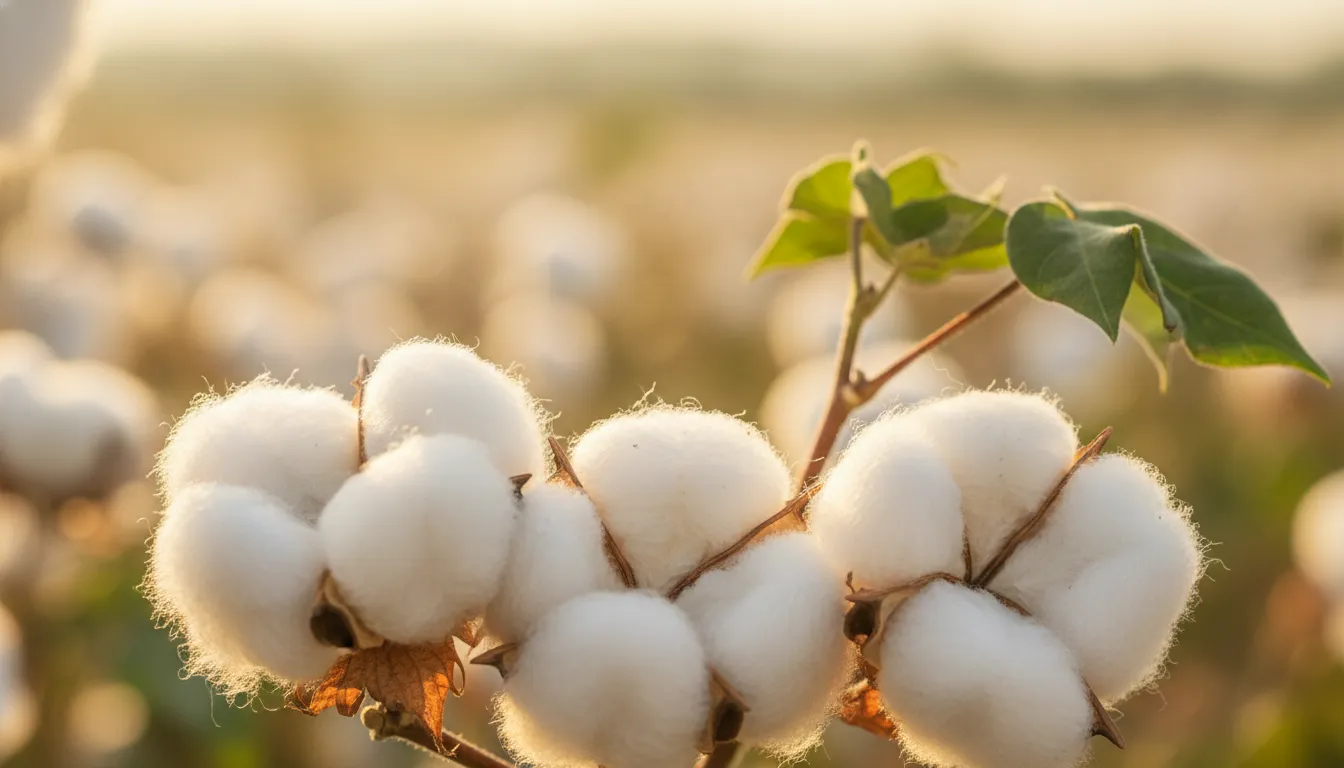
Choosing between conventional, organic, and recycled options shapes the impact of your wardrobe. Conventional cotton often relies on heavy pesticide and water use. Organic cotton removes synthetic pesticides and GMOs, uses crop rotation to rebuild soil, and tends to be handpicked to protect fiber quality. Learn how to choose fabrics by checking fiber origin and processing steps before you buy.
Differences in sourcing and processing
Virgin cotton comes straight from the plant. Cotton-in-conversion follows organic methods but must complete a transition period before full certification. Recycled cotton is made from pre- or post-consumer textile waste that is mechanically re-spun, cutting demand for new cultivation and reducing landfill input.
Availability challenges and practical benefits
Recycled cotton often faces supply limits because textile-to-textile recycling streams are still scaling. Brands like Patagonia and Eileen Fisher have invested in recycling systems to increase availability. When recycled cotton is used, it usually reduces water and energy use versus new cotton and keeps waste out of dumps.
Certifications and claims to trust
Look for third-party verification when evaluating sustainable fashion fabrics. GOTS covers organic farming plus processing and social audits. Textile Exchange standards and labels such as the Global Recycle Standard (GRS) or Recycled Claim Standard (RCS) help confirm recycled cotton content and traceability. Beware of blends that hide low cotton percentages and of vague claims that avoid certification details.
For a deeper breakdown of these distinctions and lifecycle impacts, consult this guide on sustainable cotton practices at how sustainable is cotton. Use eco-friendly clothing tips like prioritizing GOTS or verified recycled content when you evaluate labels, and apply practical checks from this article to refine how to choose fabrics for a lower-impact closet.
Linen and flax: why linen is a low-impact summer staple
Linen comes from the flax plant, a crop prized for its low water needs and minimal chemical inputs. The flax environmental advantages include the ability to grow in poor soils and use almost the whole plant, which cuts waste and supports rural livelihoods.
Choosing linen aligns with many principles of sustainable fashion fabrics. Its loose weave and natural moisture-wicking make it breathable and ideal for hot, humid days. The fabric feels feather-light, dries quickly after a summer shower, and becomes softer with wear.
Environmental impact and finishing
Unbleached and undyed linen keeps processing to a minimum. Bleaching to reach pure white demands stronger chemicals and extra steps, which raises the footprint of a finished garment. Recycled linen reduces impact further by keeping fibers in use and avoiding new processing where possible.
Practical care to extend life
Wash linen less often on gentle cycles and air-dry when you can. Avoid excessive bleaching and heavy chemical finishes; these undermine durability and biodegradability. Small repairs and mending prevent snags from becoming permanent damage and support long-term use.
How to choose fabrics with linen in mind
When you weigh options, think about durability, breathability, and end-of-life paths. Use labels and brand transparency to confirm claims. For guidance on summer wear benefits and care, see this practical overview of linen’s advantages.
| Characteristic | Why it matters | Tip when buying |
|---|---|---|
| Water and pesticide use | Lower resource inputs reduce environmental strain | Prefer linen from suppliers that note flax environmental advantages |
| Processing and bleaching | Less chemical finishing keeps fabric biodegradable | Choose unbleached or lightly finished linen |
| Durability | Longer life lowers overall impact | Look for tight weave and quality stitching |
| Care needs | Simple care reduces wash frequency and energy use | Follow gentle cycles and air-dry to extend lifespan |
Read a practical guide to the benefits of linen clothing for summer
Hemp and ramie: resilient natural fibres for long-lasting garments
Hemp and ramie stand out among sustainable fashion fabrics for durability and low-input growing methods. Both fibers age well, soften with use, and suit wardrobes meant to last. Use this outline to learn practical eco-friendly clothing tips and clear steps on how to choose fabrics that match your values and needs.
Hemp’s cultivation and soil benefits
Hemp requires little water and resists many pests without heavy pesticides. Farmers often report improved soil structure after hemp rotations, making it a strong candidate in hemp sustainable approaches. Garments made from hemp can be warm in winter and breathable in summer, which boosts season-spanning value.
Ramie characteristics and ideal uses
Ramie fabric is exceptionally strong and holds shape, making it ideal for structured pieces like jackets, trousers, and tailored shirts. The fiber resists stretching and keeps crisp lines, so designers use ramie when they need durability without synthetic reinforcement. Ramie works well blended with linen or cotton to improve comfort and drape.
Verifying organic practices and avoiding misleading claims
Not all hemp or ramie is grown organically. Look for third-party certifications such as GOTS to confirm organic practices. Read brand transparency pages and supply chain statements for farm origin and processing details. These checks reduce risk of greenwashing when you weigh sustainable fashion fabrics.
Quick checklist to apply when you shop:
- Check fiber content and country of origin on the label.
- Seek GOTS or similar certification to confirm organic claims.
- Ask brands about retting and processing steps that can affect water and chemical use.
- Favor durable construction and classic cuts to extend garment life.
| Attribute | Hemp | Ramie |
|---|---|---|
| Water needs | Very low | Low to moderate |
| Pesticide use | Usually minimal | Typically minimal |
| Best uses | Everyday shirts, denim alternatives, canvas | Structured garments, tailored pieces, blends |
| Care | Softens with washing; gentle cycles recommended | Holds shape; may need ironing for crisp finish |
| Certification to verify | GOTS, USDA Organic where available | GOTS and supplier transparency statements |
TENCEL Lyocell and branded MMCFs: benefits and caveats

TENCEL Lyocell is a leading example of man-made cellulosic fibres that many designers pick when thinking about sustainable fashion fabrics. Made by LENZING from responsibly sourced wood pulp, Lyocell offers a soft hand, strong wet strength, and good moisture management that work well for tees, underwear, and activewear.
What man-made cellulosic fibres are and how Lyocell is produced
MMCFs come from plant cellulose converted into fiber. Lyocell production dissolves wood pulp in a solvent, then spins it into filament or staple fibres. The result feels like natural fibers but performs with the consistency of manufactured yarns.
Closed-loop production, solvent recovery, and why it matters
Closed-loop systems recycle the solvent used to dissolve pulp, cutting chemical discharge and lowering resource use. LENZING’s processes recover most solvent and reduce emissions and water demand versus conventional viscose. That traceability adds confidence when you decide how to choose fabrics for lower impact wardrobes.
Typical uses and care guidance
Expect TENCEL Lyocell and other branded MMCFs in soft tees, intimate apparel, loungewear, and performance layers where comfort and breathability matter. Blends with cotton or elastane improve fit and durability for activewear.
Care is simple: wash gently, use low heat or air-dry, and avoid harsh bleaching to preserve fiber strength and color. Proper care extends garment life and supports the sustainability claims behind branded lines.
For a deeper look at Modal and related MMCFs, consult this practical guide on modal yarns for production context: modal yarn guide.
Recycled synthetics: ECONYL, recycled polyester, and when to choose them
Recycled synthetics offer a lower-carbon alternative to virgin plastics in clothing. Brands like Aquafil make ECONYL from fishing nets, industrial scraps, and old carpets. Recycled polyester usually starts as PET bottles that become durable yarns. These options expand choices for shoppers learning how to choose fabrics for a more sustainable wardrobe.
How recycling turns waste into yarn
Chemical recycling breaks polymers down to their building blocks. ECONYL’s process depolymerizes nylon to caprolactam, then repolymerizes it into yarn. Mechanical recycling grinds and melts plastics into fibers for recycled polyester. Both methods need sorting, cleaning, and quality control to match the strength and feel of virgin materials.
Trade-offs to weigh
Recycled synthetics cut energy use and waste compared with virgin nylon and virgin polyester. They still originate from fossil-fuel chemistry in many cases. A major concern remains microfiber release during washing. That shedding sends tiny plastics into waterways despite a lower production footprint.
Where recycled synthetics work best
Choose recycled synthetics for outerwear, shoes, backpacks, and other low-wash items. These uses maximize durability and reduce frequent laundering that causes microfibre loss. When deciding on sustainable fashion fabrics, think about product function and expected wash frequency.
Practical washing tips to reduce shedding
- Wash cold and use gentle cycles to limit fiber stress.
- Use a Guppyfriend bag or install a microfiber filter to capture fibers at the sink or washing machine.
- Avoid tumble drying when possible; air drying reduces abrasion.
- Wash full loads to cut friction, and choose low-spin settings.
Quick comparison for shoppers
| Material | Source | Best use | Key trade-off |
|---|---|---|---|
| ECONYL (recycled nylon) | Fishing nets, industrial waste, textile scraps | Swimwear, outerwear, bags | Lower footprint than virgin nylon; not microplastic-free |
| Recycled polyester | PET bottles and post-consumer plastics | Fleeces, jackets, shoes | Durable reuse of plastic; still sheds microfibers |
| Virgin synthetics | Fossil-fuel feedstocks | Low-cost basics, high-performance gear | Higher production emissions and resource use |
Animal-derived options: recycled wool and responsible sourcing
Wool remains prized for warmth, resilience, and comfort. Choosing between virgin wool and recycled wool affects environmental impact, animal welfare, and circularity. This short guide helps with how to choose fabrics when animal-derived fibers are on the table.
Benefits of recycled wool for warmth and circularity
Recycled wool keeps existing fibers in use and cuts demand for new fleece. Processors in Italy, like Manteco, turn end-of-life garments and factory offcuts into sturdy yarns. Recycled wool often requires less water and energy than virgin processing and supports sustainable fashion fabrics by extending garment life.
Ethical considerations for virgin wool and what to verify
Virgin wool can be resource intensive and raise animal welfare questions. Look for transparent supply chains and certifications such as RWS (Responsible Wool Standard) or ZQ Merino when evaluating responsible wool sourcing. Check brand policies on mulesing, grazing impacts, and worker conditions to judge claims.
Blending wool with other fibers and recycling implications
Blends can improve fit, durability, or cost, yet they complicate recycling and biodegradability. If you must choose a blend, favor combinations with clear take-back or recycling pathways. Mono-fibre recycled wool garments offer simpler end-of-life options and align well with sustainable fashion fabrics goals.
When deciding how to choose fabrics, weigh warmth, repairability, and end-of-life plans. Prioritize verified responsible wool sourcing and recycled wool when you want lower-impact knitwear without sacrificing performance.
Spotting greenwashing and misleading fibre marketing
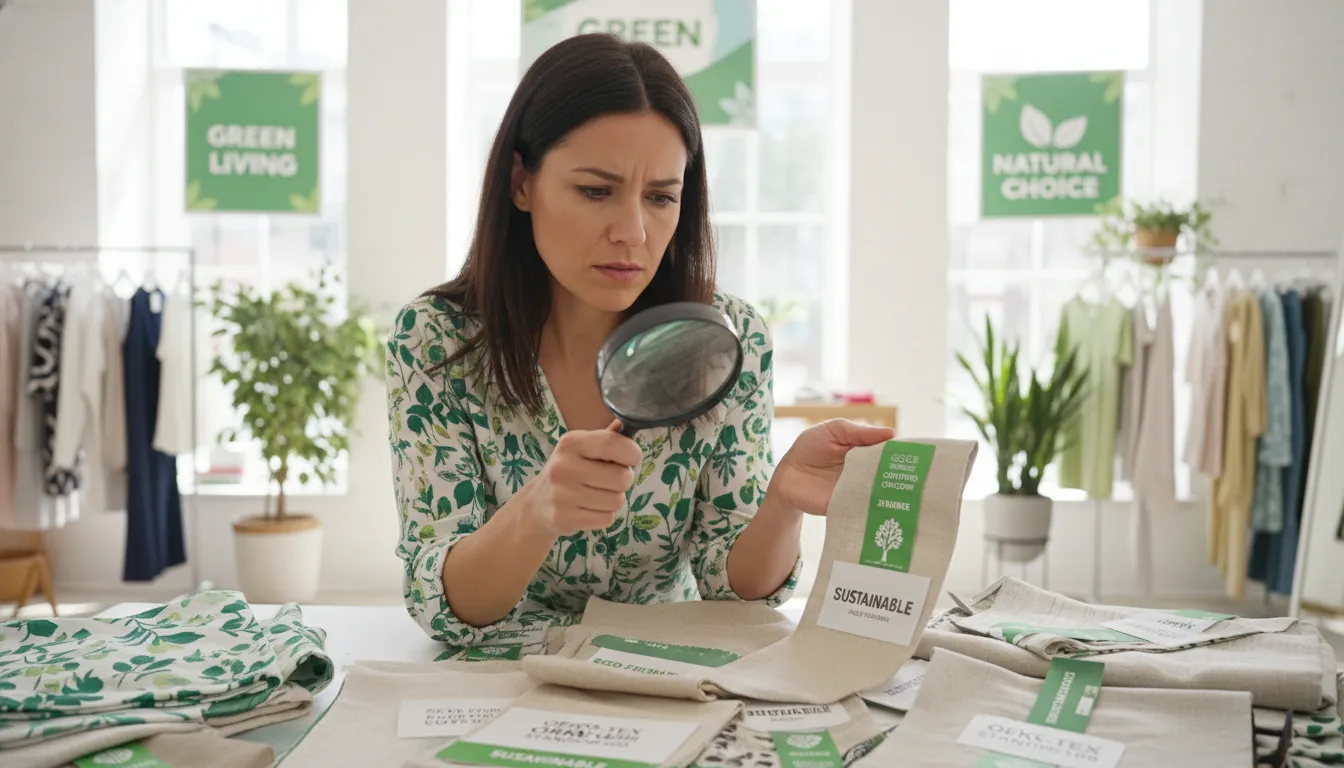
Many materials get labeled as sustainable without proof. Shoppers should learn to spot greenwashing before buying. Clear checks save money and lower environmental harm.
Common red flags on labels and product pages
Watch for vague claims like “eco” or “planet-friendly” with no data. Brands that market natural fibers but list polyester, nylon, or elastane in the content are risky. Pricing that seems too good for a certified product is another warning sign.
How brands use buzzwords to mislead
Words such as “vegan leather” can describe polyurethane, not plant-based leather. Some companies use recognizable names like LENZING or OEKO-TEX without showing the actual certificate. Look for specifics, not slogans.
Practical checks before you buy
Read the fiber content and care label closely. Confirm whether recycled claims specify the source, such as ECONYL or recycled polyester. Explore brand transparency pages for supply chain maps, factories, and independent LCAs.
Use certifications like GOTS, OEKO-TEX, and bluesign® as starting points. Brands such as Patagonia and Ecoalf publish traceability data that helps verify claims. These resources pair well with eco-friendly clothing tips and show how to choose fabrics with real benefits.
When assessing sustainable fashion fabrics, prioritize documented lifecycle data over marketing language. Small verification steps let consumers spot greenwashing and pick items that truly reduce water, energy, and chemical use.
Blends and recyclability: when blends help and when they hurt circularity
Blended fabrics can be a double-edged sword for sustainable fashion fabrics. Small performance gains or lower price points may tempt designers to mix fibers. That choice can extend garment life in some cases, but it can block textile-to-textile recycling and slow biodegradation in others.
Why blended garments often frustrate recycling systems is straightforward. Most sorting and recycling processes expect near-mono material streams. When polyester is bonded with cotton or elastane is added to silk, automated separation becomes costly or impossible. Composting loses effectiveness when natural fibers are mixed with synthetics.
Blends can improve function and durability for activewear or tailored pieces. A cotton–polyester tee resists shrinking and lasts longer with frequent washes. Adding a touch of elastane keeps fit and reduces stress on seams, which can delay disposal. When repairability and longevity rise, the net environmental impact can fall even if end-of-life options worsen.
Practical guidance helps when deciding how to choose fabrics for your wardrobe. Favor mono-material garments when local recycling is limited. Choose blends only when they clearly extend useful life or when the brand offers verified take-back and recycling programs. Inspect care labels and product pages for exact fiber percentages and recycling commitments.
When shopping, use simple eco-friendly clothing tips to balance performance and circularity. Pick blends with a dominant material that matches existing recycling streams, such as garments labeled 100% polyester (recycled) or 100% cotton. Avoid small, hard-to-remove components like bonded linings or mixed fiber finishes.
Brands like Patagonia and Eileen Fisher publish take-back programs and clear fiber charts that help consumers decide. If a blend is necessary for durability, confirm the company provides a recycling route or long-term repair service. That approach preserves value and supports circular systems.
Quick checklist:
- Prefer mono-material pieces when recycling access is limited.
- Choose blends only if they markedly extend product life.
- Look for brands with verified take-back or recycling programs.
- Read labels to understand exact fiber mixes before buying.
Certifications and labels that matter for eco-friendly clothing tips
Certifications are not perfect, yet they give a clear starting point when deciding which brands and fabrics to trust. Look for third-party seals to cut through vague marketing language and learn how to choose fabrics that align with your values.
What the main certifications guarantee
GOTS certification verifies organic textile production from fiber to finished garment, with social criteria for fair labor. OEKO-TEX focuses on harmful substances, helping shoppers avoid chemicals in touchable fabrics. bluesign® tracks responsible production across inputs and manufacturing to reduce environmental impact.
Labels for man-made cellulosic fibers
LENZING™ licensing confirms that fibers like TENCEL come from regulated wood sources and recycled processes. LENZING ECOVERO marks viscose with lower emissions and reduced water use compared with conventional viscose. These tags help when comparing soft, breathable MMCFs for everyday garments.
How to cross-check claims and verify independently
Always read a brand’s transparency pages and ask for batch or license numbers for GOTS certification or LENZING ECOVERO claims. Check OEKO-TEX certificates for product classes and test dates. Independent LCAs and Textile Exchange reports add evidence beyond a single label.
When you review labels, pair them with practical questions: does the fabric meet your performance needs, can it be repaired, and what are end-of-life options? Combining certification checks with fit and function leads to better choices for sustainable fashion fabrics.
Care, maintenance, and extending the life of sustainable fabrics
Good garment care sustainable habits turn mindful purchases into long-lasting pieces. Small changes in washing, drying, and storage cut environmental impact and keep clothes wearable for years. Use straightforward routines that match each fabric’s needs.
Washing, drying, and repair strategies to reduce impact
Wash less and wash cold. Cold water and gentle cycles save energy and protect fibers. Turn items inside out, sort by fabric type, and avoid overloading the machine to reduce friction and color loss.
Use mild, eco-conscious detergents. For delicate items, choose hand wash or a short gentle cycle. Full loads are more efficient; spot-clean small stains to avoid unnecessary washes.
Air-dry when possible on a rack or clothesline. If you use a dryer, pick low heat and remove garments slightly damp to prevent over-drying. Mend small tears and reinforce seams early to extend life.
Storing and treating garments to avoid premature replacement
Store clothes in a cool, dry place away from direct sunlight. Fold heavy sweaters to prevent stretching and hang structured jackets on wide, supportive hangers.
Use breathable garment bags for special pieces and avoid airtight plastic bins that trap moisture. Natural moth deterrents such as cedar blocks or lavender sachets help protect wool and linen.
Read care labels and learn how to choose fabrics for each use. Durable stitching and honest finishes matter more than trendy details when you want garments to last.
Tools to capture microfibers and reduce pollution
Microfiber release is a real source of pollution from many sustainable fashion fabrics and synthetics. Use washing aids like Guppyfriend bags and install washing machine filters to catch microplastics at the source.
Brands such as Ecoalf encourage durable design and repairability to cut waste and microfibre shedding. For guidance on fabric-specific care and lifecycle outcomes, consult practical maintenance tips at how to care for sustainable fabrics.
- Quick checklist: wash cold, gentle detergent, full loads, air-dry, mend promptly.
- Storage tips: breathable bags, fold heavy knits, avoid direct sun, use cedar or lavender.
- Microfiber tools: Guppyfriend, in-line filters, and dedicated laundry filters for home machines.
Learning how to choose fabrics and applying eco-friendly clothing tips will protect your wardrobe and reduce waste. Proper care makes sustainable fashion fabrics perform better and keeps your favorite pieces out of landfill for longer.
Where to shop and how to buy smarter: brands, secondhand, and circular options
Finding reliable places to buy starts with trusted directories and clear evidence from brands. Good On You rates thousands of brands and helps shoppers see transparency, labor practices, and environmental claims. Look for brands that publish supply-chain details and independent verification so you can compare options when wondering where to shop sustainable.
Choosing reputable brands
Check directories, rating sites, and brand pages for audits and certifications. Companies such as Ninety Percent, Rapanui, and Community Clothing offer clear sourcing stories and visible repair or take-back programs. Use ratings to shortlist options and to learn how to choose fabrics that match your needs and values.
Secondhand and pre-loved marketplaces
Buying secondhand fashion stretches the life of garments and saves money. Try platforms like Vinted and eBay for broad selections. For curated finds, explore Goldie Vintage, Nearly New Cashmere, and Reloved Again. These sites make it easy to find quality pieces without adding new production to the system.
Practical benefits of pre-loved shopping
Secondhand items reduce demand for virgin materials while offering unique styles. Searching these channels helps you learn how to choose fabrics based on wear and feel, not just labels. Prioritize fewer purchases and better quality to get more use from each garment.
Circular services and local repair
Seek brands that accept returns for recycling or offer repair services. Ecoalf and other forward-thinking companies list products made from recycled bottles and sea yarn and often run take-back schemes. Local tailors and alteration shops extend garment life with mending, resizing, and restyling.
Smart shopping checklist
- Use brand directories and ratings to narrow options.
- Prefer quality over quantity when selecting pieces.
- Explore secondhand fashion platforms for budget-friendly finds.
- Pick brands that publish transparent supply chains and offer circular services.
- Learn basic garment repair or find local repair resources.
Combine these eco-friendly clothing tips with careful research on sustainable fashion fabrics to make purchases that last. This approach saves money and reduces environmental impact while helping you build a wardrobe you can trust.
Innovations and future fabrics: what to watch in sustainable material guide
The innovation landscape for sustainable fashion fabrics is active and unpredictable. Startups and established brands push new chemistries and bio-based options, while investors weigh scale-up risks and proof of impact.
Promising fibres include algae- and sea-derived yarns, LENZING™ ECOVERO™, recycled polyamide like ECONYL, and bio-based elastane such as DuPont’s Sorona. Brands such as Ecoalf and Patagonia have piloted ocean plastics and recycled nylons, showing real-world use cases for innovations in sustainable materials.
Promising new fibres and challenges to scale
Many materials show lower footprints in lab studies. Scaling those materials requires capital, industrial partners, and robust lifecycle data. Renewcell’s experience with dissolving pulp demonstrates that technical success does not guarantee fast commercial scale.
Examples of innovation: sea yarn and bio-based elastane
Sea yarn efforts aim to turn marine litter into usable yarns. Ecoalf’s Upcycling the Oceans program is a leading example of sourcing ocean plastics for garments. Bio-based elastane alternatives reduce fossil inputs and can improve end-of-life outcomes when paired with design for recycling.
How to evaluate new materials: evidence and transparency
Demand independent LCAs, transparent supply chains, and third-party verification before adopting new fabrics. Look for brands and suppliers that publish cradle-to-gate or cradle-to-grave reports, and check traceability for feedstocks and processing.
When learning how to choose fabrics, balance excitement about future fabrics sustainable with practical checks: durability, cleaning needs, and real-world reuse rates. Use data-driven tools and trend reports to separate hype from scalable options.
For a broader view of market trends and texture shifts, see this industry analysis on fabric innovations: fabric innovations and market signals. This resource highlights growth signals and helps compare new materials against existing sustainable fashion fabrics.
| Material | What to check | Scaling risk |
|---|---|---|
| Sea yarn (ocean plastics) | Collection methods, contamination controls, LCA | Medium: supply variability |
| Bio-based elastane (e.g., Sorona) | Feedstock sourcing, polymer performance, recyclability | Low to medium: industrial production exists |
| LENZING™ ECOVERO™ | Manufacturing transparency, chemical recovery | Low: branded MMCF with established supply |
| Recycled nylon / ECONYL | Feedstock traceability, fiber-to-fiber options | Medium: collection and processing capacity |
Conclusion
Choosing fabrics well means thinking beyond labels and trends. Use lifecycle thinking to compare recycled cotton, organic linen, hemp, TENCEL Lyocell, ECONYL, and recycled wool for their real impacts. Look for verified marks such as GOTS, OEKO-TEX, bluesign®, and LENZING so your decisions match the principles in this fashion material guide.
Buy fewer, higher-quality pieces and favor repair, resale, and take-back programs to extend garment life. Avoid virgin polyester and acrylic when possible, and follow simple eco-friendly clothing tips like low-temperature washing and using microfiber filters to reduce pollution. These habits lower your footprint and keep clothes useful longer.
Innovation matters but needs proof. Brands such as Ecoalf show that traceable sourcing, recycled inputs, and certified MMCFs can deliver style and performance with lower impact. When you ask how to choose fabrics, balance durability, certification, and transparency to build a wardrobe that’s both practical and responsible.
FAQ
What does “lower-impact” or “preferred” material mean in sustainable fashion?
Lower-impact materials are fibres and fabrics that use fewer resources and less energy across their lifecycle, reduce harm to people and ecosystems, and are easier to manage at end of life when cared for and disposed of correctly. Examples include recycled cotton, organic linen, organic hemp, TENCEL™ Lyocell, ECONYL®, and recycled wool. Lifecycle thinking, independent LCAs, and traceability are essential to verify claims because new materials and startups can be hyped without robust evidence.
Which fibres do experts recommend and which should I avoid?
Experts generally favor natural fibres (linen, organic cotton, wool) and branded man-made cellulosic fibres (MMCFs) such as TENCEL™ and ECOVERO™. They advise avoiding virgin polyester and acrylic where possible because of high carbon footprints, microplastic shedding, and poor breathability. Recycled synthetics like ECONYL® and recycled polyester can be good choices for outerwear or low-wash items but require mitigation measures for microfibers.
How important are certifications and which labels should I look for?
Certifications are a useful starting point to verify responsible practices. Key labels include GOTS (organic textile production), OEKO-TEX (free from harmful substances), bluesign® (responsible production), and LENZING™/ECOVERO™ for verified MMCFs. Use certification plus brand transparency pages and independent LCAs to cross-check claims.
How do I choose fabrics based on garment function (everyday tees, activewear, outerwear)?
Match fibre properties to use. For breathable everyday tees and underwear, prefer natural fibres or branded MMCFs (TENCEL™, ECOVERO™). For activewear and outerwear, recycled synthetics (recycled polyester, ECONYL®) perform well but try to minimize frequent washing and use microfiber-capturing tools. Choose durable fibres (hemp, linen, recycled wool, TENCEL™ Lyocell) when longevity is a priority.
What’s the difference between conventional, organic, and recycled cotton?
Conventional cotton is water- and pesticide-intensive. Organic cotton is grown without synthetic pesticides and follows stricter standards—look for GOTS certification. Recycled cotton (post-industrial or post-consumer) reduces the need for new cultivation and cuts water and energy use, but supply is limited because textile-to-textile recycling is still developing.
Are linen and flax really low-impact?
Yes. Linen comes from flax, which requires little water and few pesticides and can grow on poor soils. Unbleached, undyed linen has lower processing impacts. Linen is breathable, durable, and improves with wear. To extend its life, wash less, use gentle cycles, air-dry, and avoid heavy chemical finishes.
What are the benefits and caveats of hemp and ramie?
Hemp needs very little water, often requires no pesticides, improves soil health, and softens with washing—making it a long-lasting option. Ramie is strong and suitable for structured garments and also grows with minimal chemicals. Verify organic claims and supply-chain transparency, since not all hemp is grown organically and some practices can be damaging.
What makes TENCEL™ Lyocell and other MMCFs better than conventional viscose?
Branded MMCFs like TENCEL™ and ECOVERO™ are produced from responsibly managed wood pulp using processes with lower emissions and water use. TENCEL™ Lyocell uses a closed-loop solvent recovery system that reduces hazardous waste. These fibres are soft, absorbent, and ideal for tees, underwear, and some activewear; follow gentle washing and avoid high heat drying to preserve the fibres.
How are recycled synthetics like ECONYL® and recycled polyester made, and when should I choose them?
Recycled synthetics are produced by chemical or mechanical recycling of waste: ECONYL® repolymerizes collected nylon waste (fishing nets, industrial scraps) into new yarn; recycled polyester often comes from PET bottles. They reduce demand for virgin materials and energy use but still shed microfibers. Best uses are outerwear, shoes, and items washed infrequently. To reduce shedding, wash cold, use gentle cycles, avoid tumble drying, and use Guppyfriend bags or washing machine filters.
Is wool sustainable? Should I buy virgin or recycled wool?
Wool is warm, durable, and biodegradable, but virgin wool has resource and animal welfare considerations. Recycled wool reduces environmental and ethical impacts by using existing garment and offcut stocks. Check for certifications and brand transparency about animal welfare for virgin wool, and prefer mono-fibre recycled wool or clear recycling pathways when possible, since blends complicate future recycling.
How do I spot greenwashing and misleading fibre marketing?
Look for red flags: vague claims, buzzwords like “eco” or “vegan leather” without specifics, products marketed as natural but containing hidden synthetics, and absence of independent verification. Always read the fibre content on care labels, check certifications, and review brand transparency pages and LCA evidence. Be skeptical of claims that sound too good to be true.
Are fabric blends bad for circularity?
Blends can complicate textile-to-textile recycling and biodegradability because separation is difficult. However, blends sometimes improve durability and extend garment life—so they can be beneficial where recycling infrastructure is lacking. Favor mono-material garments for circularity or choose brands that offer take-back/recycling programs that handle blends.
What practical care steps make the biggest difference to a garment’s environmental impact?
Wash less and colder, use gentle cycles, run full loads, air-dry when possible, mend instead of replacing, and store garments properly. Use microfiber-capture solutions (Guppyfriend bags, machine filters) to reduce plastic pollution. These measures preserve fabric integrity and lower lifetime environmental impact.
Where should I shop for more sustainable clothing and how can secondhand help?
Choose brands with verified transparency, certifications, and take-back or repair programs. Use brand-rating directories like Good On You and shop secondhand on platforms such as Vinted, eBay, and specialist preloved retailers. Buying fewer, higher-quality items, repairing, and buying secondhand are among the most effective ways to reduce fashion’s footprint.
What innovations and new fibres should consumers watch for?
Promising innovations include sea yarn (ocean-plastic upcycling), bio-based elastane alternatives like Sorona, and new MMCFs. However, the innovation landscape is volatile—startups face scaling risks (for example, Renewcell/Circulose faced market challenges). Evaluate new materials by demanding independent LCAs, transparent supply chains, and third-party certification before accepting sustainability claims.
How many times can I expect to repeat keywords like “sustainable fashion fabrics” or “eco-friendly clothing tips” in a FAQ without overuse?
Keep keyword use natural and limited. Aim to repeat a specific keyword roughly (Total Words/100)*2 times as a loose maximum. Focus on clear, helpful answers and use related phrases—sustainable materials, fashion material guide, eco-friendly clothing tips—to maintain semantic richness without repetition that feels forced.