
Complete Guide to Sustainable Fashion for a Capsule Wardrobe
Craft an eco-conscious capsule wardrobe with our sustainable fashion guide, featuring essential tips for minimalist, planet-friendly style choices.
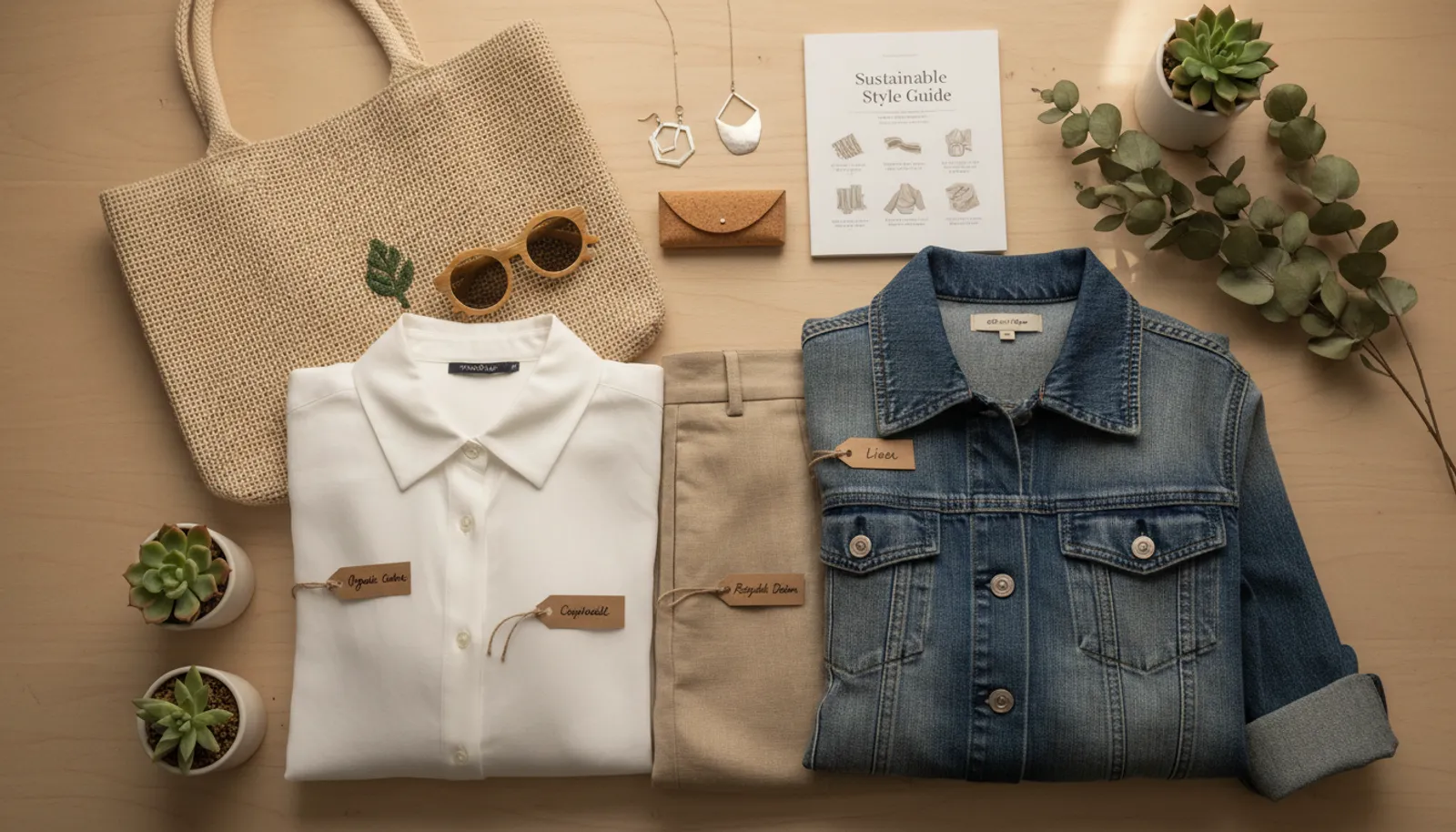

30 min read
Nearly 60% of wardrobe items are rarely or never worn — a surprising gap between what we buy and what we actually wear. That waste is exactly why a well-made capsule wardrobe matters: fewer, better pieces reduce clutter, stress, and environmental harm while making daily dressing effortless.
This sustainable fashion guide shows how to build a compact collection of versatile staples — a great-fitting pair of jeans, a tailored blazer, a white tee, a trusty trench, and one joyful piece — so everything works together season after season. The best capsule wardrobes are not the biggest; they are the ones where each item earns its place through fit, comfort, and repeat wear.
Start with capsule wardrobe tips that focus on pieces you already love, then refine by investing in quality fabrics and timeless shapes. Seasonal fabric swaps, like lighter cottons and linens in summer and knits and denim in winter, stretch the life of your staples and support eco-friendly fashion ideas.
For an in-depth example of thoughtfully curated capsules and mindful sourcing, see the practical capsule wardrobe guide by We Are Sui for inspiration and sourcing notes on organic cotton, ikat, and handwoven textiles: the ultimate guide to building a sustainable capsule.
Key Takeaways
- Choosing fewer, better pieces reduces decision fatigue and textile waste.
- Focus on timeless staples that mix-and-match across seasons.
- Invest in quality, fit, and comfort to lower price-per-wear over time.
- Use seasonal fabric swaps to make a small wardrobe feel larger.
- Start with what you wear now and refine with intentional purchases.
What is a Capsule Wardrobe and Why It Matters for Sustainability
A capsule wardrobe is a compact collection of garments chosen for fit, comfort, and mix-and-match potential. The idea favors fewer, better pieces that feel good and work across many outfits. This approach cuts decision fatigue while keeping style simple and intentional.
Definition and core principles
A capsule centers on ease, longevity, and cohesion. Staples such as a well-fitting blazer, a white tee, neutral trousers, and a reliable pair of shoes form the base. Designers and brands from Everlane to Patagonia show how focus on quality, honest materials, and clear fit rules helps a closet last longer.
How fewer, better pieces reduce environmental impact
Buying less lowers demand for fast fashion that drives water use, waste, and emissions. Prioritizing durable fabrics and repairable items spreads resource use across many wears. Using capsule math—combining a limited set of pieces into many outfits—raises price-per-wear and cuts overall consumption.
Benefits: less decision fatigue, time saved, and cost-per-wear thinking
Fewer choices mean quicker mornings and reduced stress. A compact wardrobe saves time when packing or shopping. Thinking in price-per-wear reveals long-term value, making it easier to justify investment in quality over cheap, short-lived buys.
Use this sustainable fashion guide for practical capsule wardrobe tips. Embrace minimalism in fashion and adopt simple, eco-friendly fashion ideas to build a closet that serves your life and the planet.
Understanding Sustainable Fashion: Key Concepts for Beginners
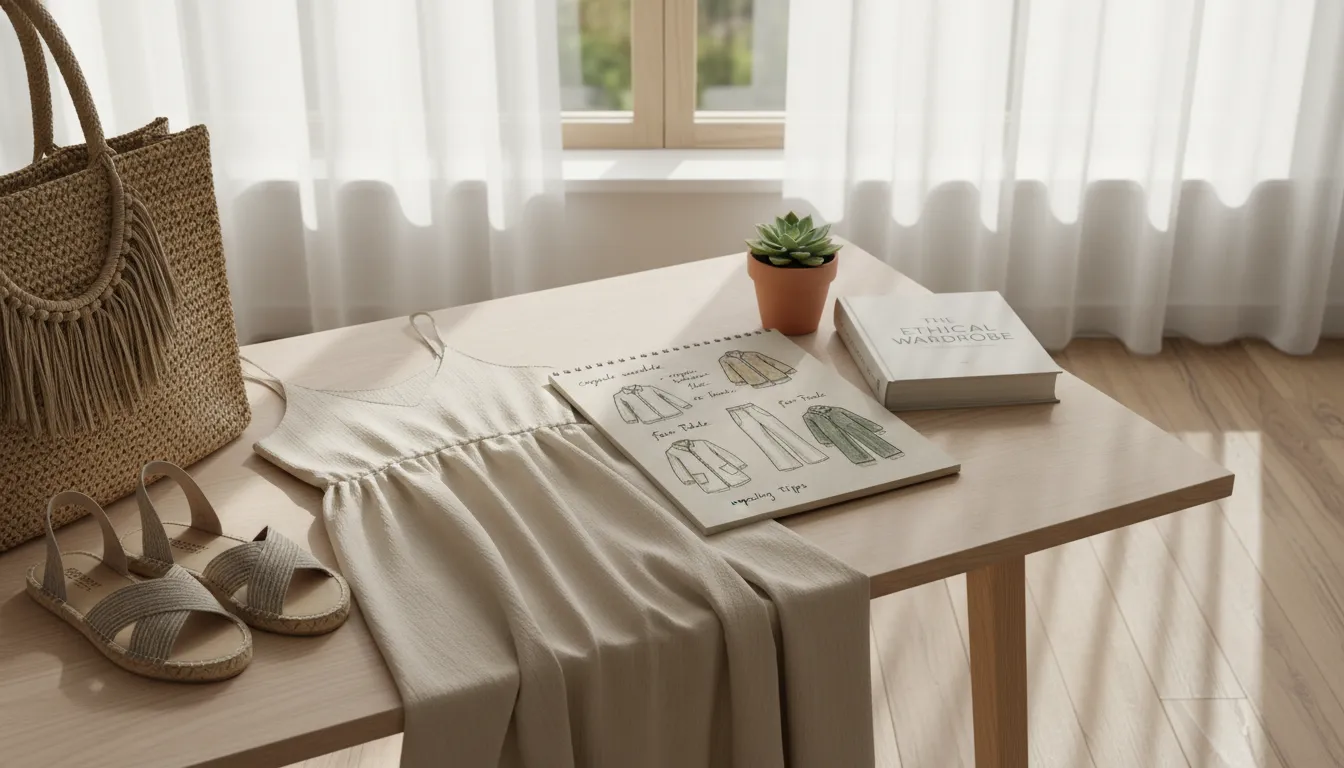
Start with what sustainable fashion means in practice: thoughtful materials, fair production, and attention to a garment’s full lifecycle. Look for organic cotton, linen, hemp, Tencel, and high-quality wool when choosing pieces. Durable construction and clear supply-chain information point to brands that value people and the planet.
What counts in materials, production, and lifecycle
Materials shape a garment’s environmental impact from the first step. Natural fibers like linen and hemp need less water and chemicals than conventional cotton. Recycled polyester lowers waste but watch for microplastic shedding. Ethical production covers fair pay and safe factories. Certifications such as GOTS and Fairtrade help verify claims. For deeper reading, consult a comprehensive sustainable fashion guide that explains these terms in detail.
Why price per wear matters when you buy
Price per wear gives a simple measure for smart spending. An $300 cashmere sweater that lasts for years and gets worn often can cost less per wear than a $30 fast-fashion sweater that pills or fades after a few uses. Use price per wear to justify investing in quality and to resist impulse buys. These calculations support capsule wardrobe tips that prioritize versatile, long-lasting staples.
Mindful shopping as a tool against fast fashion and waste
Mindful shopping reduces returns and trash by focusing on fit, function, and repairability. Choose neutral, timeless pieces that mix easily, which ties to minimalism in fashion and lowers the urge to follow fleeting trends. Shop secondhand, mend small damages, and consider brands with repair or take-back programs.
Practical eco-friendly fashion ideas include a small checklist: pick multifunctional items, prefer certified materials, and test garments for comfort and longevity before buying. Apply capsule wardrobe tips to build a compact closet that serves your life, trims unnecessary purchases, and extends each piece’s lifecycle.
For a clear primer on terms and choices, see this beginner-friendly overview from Buna Studio that covers materials, certifications, and circular options: beginner’s guide to sustainable fashion.
sustainable fashion guide
This sustainable fashion guide helps you move from theory to a wearable capsule. Start small, use the staples list and outfit ideas to create a year-round wardrobe, and swap fabrics with the seasons. Visit stores like Patagonia or Everlane for curated pieces that match what you already own.
How to use this guide to build an eco-conscious capsule
Begin by treating the first capsule as a draft. Wear it for a few weeks, note what works, and refine. Use capsule wardrobe tips to edit what you own, keep versatile staples, and assemble reliable outfits.
Step-by-step approach tailored to your lifestyle
Define your daily needs and style. Use a three-step routine: edit, choose, assemble. Edit your closet with honesty. Choose pieces that mix well and prioritize quality brands like Eileen Fisher for durable basics.
Apply capsule math to see outfit potential. Count cores, layers, and accessories to estimate combinations. Use price-per-wear to guide investments in outerwear and shoes.
Printable checklist and planning tools to stay organized
Track owned items, identify gaps, and plan purchases with a capsule checklist. A clear list reduces impulse buys and supports eco-friendly fashion ideas that last.
Keep a simple planner or spreadsheet to log outfit photos and wear counts. Use that record to measure which pieces earn their cost over time.
| Step | Action | Outcome |
|---|---|---|
| 1 | Edit what you own using categories: tops, bottoms, layers, shoes, accessories | Clear view of usable pieces and true gaps |
| 2 | Choose versatile staples in neutral palette; swap linens for summer and wool for winter | Seasonal adaptability and fewer impulse buys |
| 3 | Assemble 10–15 go-to outfits and photograph them for daily use | Reduced decision fatigue and practical outfit rotation |
| 4 | Use capsule math and price-per-wear to prioritize purchases | Smarter investments in durable items |
| 5 | Maintain a printable capsule checklist to track wear and condition | Ongoing refinement toward minimalism in fashion |
Begin by mapping a typical week. Note work, errands, workouts, and social events. This quick audit reveals how much of your closet gets real use and where capsule wardrobe tips can make the biggest difference.
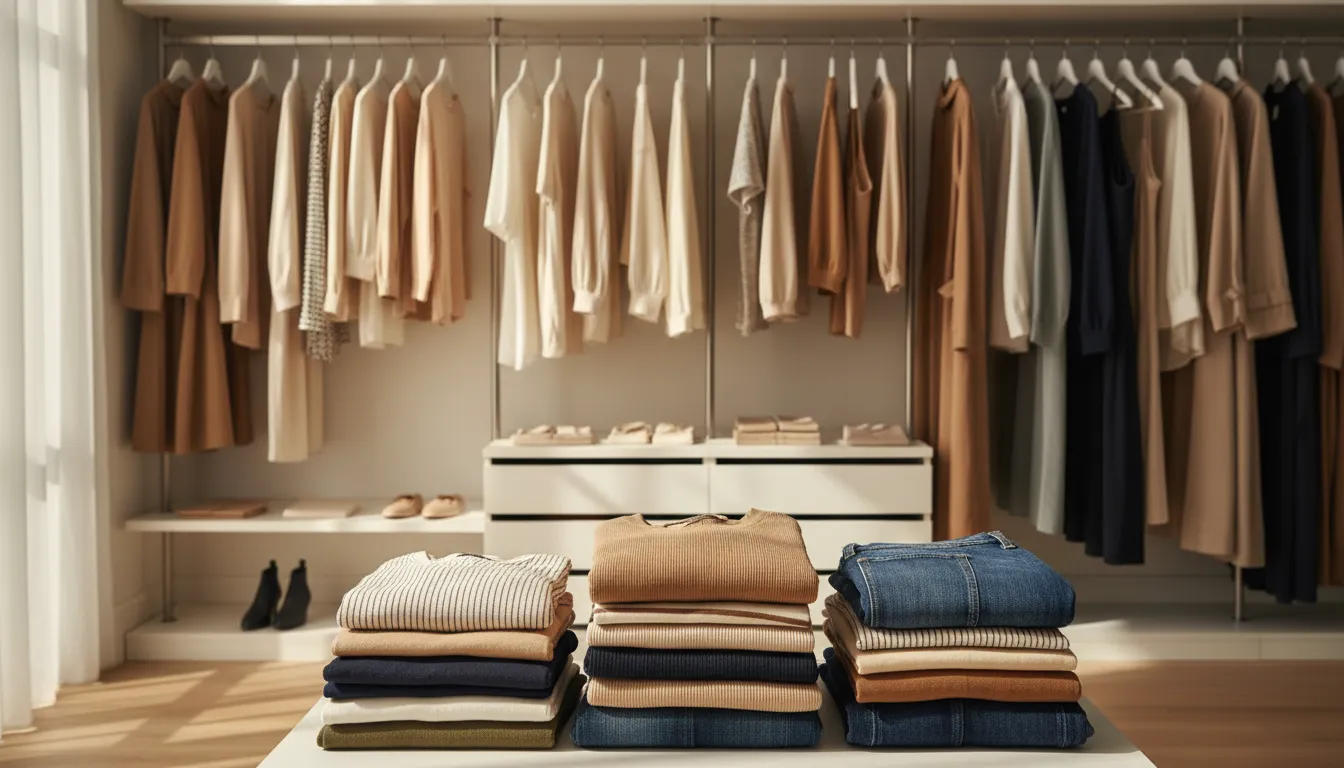
Next, pick the level of dressiness you need. A corporate schedule calls for blazers and tailored trousers. A creative job favors casual layers and statement pieces. Matching dressiness to daily life keeps purchases useful and prevents impulse buys that clash with your routine.
Season and climate shape fabric choices and layering strategies. In cold regions, prioritize knits, wool, and a quality coat. In warm climates, lean into linen and breathable cotton. This sustainable fashion guide approach saves money and reduces returns by focusing on weather-appropriate items.
Look at what you already reach for. Pull favorite tops, pants, and shoes and note common colors, silhouettes, and fabrics. That practice highlights patterns of wear and shows how minimalism in fashion can start from the pieces you love most.
Try a packing test for one month. Limit yourself to a set number of tops, bottoms, outer layers, and shoes. Living with a pared-down selection reveals real gaps and teaches you which eco-friendly fashion ideas matter—multipurpose items, easy care, and comfortable fits.
Finally, build around versatility. Choose a few neutral bases, two to three accent pieces, and one reliable outer layer. This method keeps outfits flexible and aligns capsule wardrobe tips with long-term sustainability, not short-term trends.
How to Edit Your Closet: A Gentle, Sustainable Declutter
Start with a calm approach that makes dressing easier, not harsher. Pull out pieces you truly wear and love. Seasonal swaps help you focus on what matters now and prevent overwhelm during edits.
Pulling favorites and honest keeps
Empty one section at a time and place items on your bed. Keep garments that fit well, feel great, and get regular wear. If something has not been worn in over a year, shows stains, or causes discomfort, it is probably time to let it go.
Use a simple purge-question checklist: does it fit now, do I feel confident wearing it, and would I buy it again today? These short checks align with capsule wardrobe tips and minimalism in fashion by centering usefulness over nostalgia.
Sort by category to reveal gaps and excess
Group clothing into categories: jeans, pants, skirts, tees, tops, sweaters, dresses, coats, bags, and shoes. Seeing similar items together exposes duplicates and true needs.
Make five piles—Keep, Sell, Maybe, Donate, Toss—to create structure. For a quick reset try the 12-12-12 method: toss 12, donate 12, relocate 12. That method pairs well with ADHD-friendly timers and focused 15–20 minute sessions.
Sustainable disposal and next steps
Donate usable pieces to local charities or sell higher-quality items on platforms like Poshmark or Depop. Repair wardrobes with simple mending; a hem or a replaced button extends life and reduces waste.
Recycle worn-out textiles where facilities exist, or repurpose into cleaning rags. Letting garments go gradually eases emotion and supports reuse markets, a key idea in any sustainable fashion guide.
Join community challenges or use online groups for accountability. For practical decluttering workflows and extra tips, check a concise guide at this decluttering post, which pairs well with eco-friendly fashion ideas and promotes minimalism in fashion habits.
Choosing Capsule Staples With Sustainability in Mind
Start by picking a few reliable pieces that form the backbone of daily dressing. Aim for a dark-wash pair of jeans, a tailored blazer, a crisp white tee, a trench or denim jacket, and a well-made knit. These choices make outfit building easier and support minimalism in fashion by cutting visual clutter and repeat purchases.
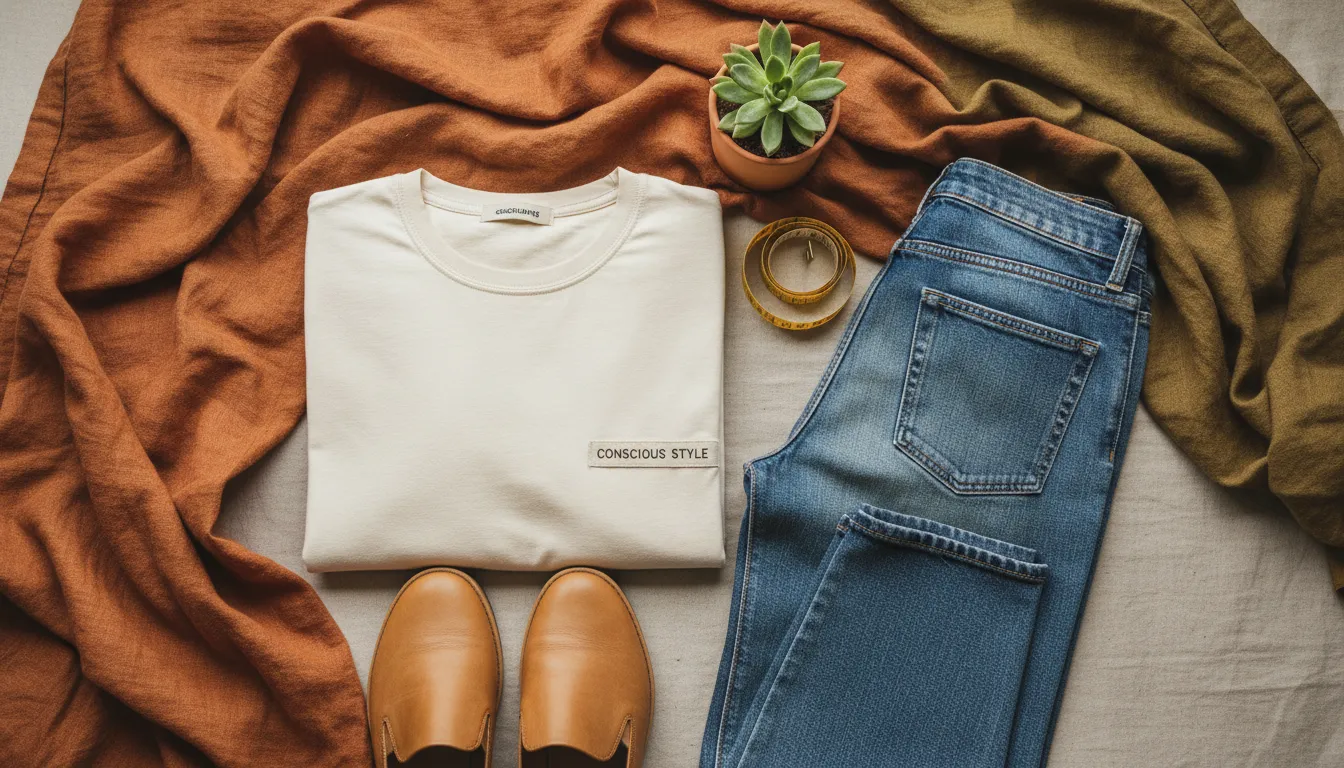
Timeless pieces to prioritize
Choose silhouettes that work across occasions. A pair of Madewell-style high-rise or Mango-inspired jeans pairs with a crisp white button-down and an Everlane blazer for work or weekend. Add a statement dress for events and a versatile jacket—Levi’s denim or a Sezane-inspired trench—for outerwear options.
Material choices that last
Favor organic cotton, linen, and Tencel for breathable everyday items. For warmth and longevity pick merino wool and responsibly sourced cashmere when feasible. Recycled polyester and recycled nylon serve for performance layers without new virgin materials. These material decisions reflect core sustainable fashion guide principles and reduce resource use over the garment lifecycle.
Fit, comfort, and longevity over trends
Prioritize proper fit and durable construction. A well-cut blazer or cardigan will be worn far more than a fleeting fad. Seek items with reinforced seams, natural fiber content, and simple tailoring. This approach aligns with capsule wardrobe tips aimed at maximizing cost per wear.
Small accessories finish looks while staying eco-conscious. A leather crossbody or belt bag that is repairable, durable shoes like Rothy’s flats or classic Adidas Sambas, and a neutral scarf extend outfit options without increasing volume. Use these eco-friendly fashion ideas to add personality without sacrificing sustainability.
For more detailed staple examples and maker-focused knitwear, review curated lists that spotlight durable pieces and small workshops. The notes and sourcing guidance found at sustainable staples and knitwear recommendations help translate concepts into practical purchases.
| Staple | Suggested Materials | Why it works | Brand Examples |
|---|---|---|---|
| Dark-wash Jeans | Organic cotton, recycled denim | Versatile, durable, low maintenance | Madewell, Mango |
| Tailored Blazer | Wool blend, Tencel lining | Elevates looks, long lifespan | Everlane, COS |
| White Tee | Organic cotton | Everyday layering piece, easy care | Quince, Everlane |
| Trench / Denim Jacket | Recycled fibers, linen blends, cotton | Seasonal protection, classic style | Sezane, Levi’s |
| Knit Sweater / Cardigan | Merino, responsibly sourced cashmere | Warmth, ages well with wear | Sezane, Quince |
| Versatile Pants | Linen, Tencel, recycled polyester blends | Comfortable, adaptable silhouettes | COS, Everlane |
| Shoes & Accessories | Recycled materials, leather alternatives | Complete outfits, reduce need for many pairs | Rothy’s, Adidas, Madewell |
Start with a clear aim: fewer pieces that mix well, feel personal, and last. Minimalism in fashion helps cut decision time and reduces waste. Use these practical capsule wardrobe tips to shape a look that feels effortless and intentional.
Building a Mostly Neutral Color Palette with Accents
Choose three to five neutrals as your base: navy, black, beige, gray, and white. Neutrals make mixing easier and keep outfits cohesive.
Add one or two accent colors you already wear, such as olive or burgundy. Repeating those accents across tops, scarves, and accessories keeps variety without clutter.
Proportion Rules and the Rule of Thirds for Balanced Outfits
Balance wide-leg trousers with slimmer tops to avoid overwhelming your frame. High-waisted bottoms with a tucked top create a strong rule-of-thirds silhouette.
Layer different lengths to form thirds visually: short jacket, mid-length top, long scarf or coat. Choose silhouettes that flatter your shape to feel confident every day.
Mix-and-Match Strategies to Maximize Outfit Combinations
Start from one favorite piece and build multiple outfits around it. A striped tee, a tailored blazer, or a classic trench can each anchor many looks.
Layering, swapping shoes, and changing accessories multiply outfits fast. Photograph combinations that work so you can repeat them without thinking.
Use capsule math to see the benefit: 12 tops and 6 bottoms produce far more outfits than the pieces suggest. These sustainable fashion guide ideas turn a small closet into a flexible wardrobe.
For everyday choices, follow compact capsule wardrobe tips: prioritize multifunctional garments, keep repairs simple, and favor materials that last. These eco-friendly fashion ideas help reduce consumption while keeping style intact.
| Focus | Quick Action | Why It Works |
|---|---|---|
| Neutral Base | Pick 3–5 neutral colors | Creates a mixing-friendly foundation and visual cohesion |
| Accent Colors | Choose 1–2 worn accents | Adds personality without complicating choices |
| Proportion | Apply the rule of thirds in outfits | Balances silhouette and flatters body shape |
| Layering | Mix lengths and textures | Increases outfit variety from few pieces |
| Outfit Banking | Photograph reliable looks | Saves time and reduces decision fatigue |
| Item Math | Use core pieces to multiply outfits | Demonstrates how minimalism in fashion equals more usable outfits |
Start by building a capsule around the season you’re in. Choose lighter cottons and linens for warm months and swap to knits and denim when temperatures drop. Layering stretches a small set of pieces across weather changes and supports minimalism in fashion.
Build for the season you’re in
Keep a focused edit of items you wear today. Test the capsule for a few weeks and note missing pieces. Use capsule wardrobe tips to swap one or two items rather than overhauling the whole closet.
Rotate and store off-season items
Store off-season pieces out of sight so your daily choices stay simple. Use breathable bins, garment bags, or cedar chests to reduce moisture and pests. Label containers so switching seasons is quick and stress-free.
Protect garments to extend lifespan
Follow care labels and air-dry when fabric allows. Mend loose buttons and small seams promptly to improve price-per-wear. These eco-friendly fashion ideas cut waste and save money over time.
Care basics that keep pieces wearable
Wash on gentle cycles with mild detergent and avoid over-washing. Use a sweater comb for pilling and store knits folded to preserve shape. Repairing a hem or replacing a zipper keeps a favorite piece in rotation longer.
Seasonal checklist
| Action | Why it matters | Quick tip |
|---|---|---|
| Build seasonal capsule | Matches current lifestyle and climate | Start with core neutrals plus 2 accent pieces |
| Rotate monthly | Reveals gaps and avoids clutter | Swap one shelf or box at a time |
| Use protective storage | Prevents moths, mildew, and fading | Cedar blocks and breathable bins work well |
| Follow garment care | Preserves fabric and fit | Check labels; lower heat when possible |
| Mend promptly | Extends life and improves price-per-wear | Keep a small repair kit at home |
Smart Shopping: Where to Buy Sustainable, High-Quality Pieces
Smart shopping starts with a plan. Use this sustainable fashion guide to target brands and outlets that fit your capsule and your values. Shop intentionally, favoring pieces that match your capsule wardrobe tips and the principles of minimalism in fashion.
Look for clear certifications on labels. GOTS, Fair Trade, and OEKO-TEX signal better materials and ethical production. Brands such as Everlane, Madewell, COS, Levi’s, Quince, Sézane, and Tuckernuck often offer durable basics that slip easily into a small, versatile closet.
Secondhand and vintage shopping extend garment life. Local thrift shops, consignment stores, and curated resale platforms let you find quality items at lower cost and with a smaller footprint. These eco-friendly fashion ideas work well for both unique pieces and everyday staples.
In-store evaluation is simple. Check seams, stitching, and hardware. Feel fabric weight and test stretch and recovery. A well-made blazer or pair of jeans will hold shape after repeated wear. Use capsule wardrobe tips like matching potential pieces to at least three outfits before buying.
Online buying requires a careful eye. Study fabric composition, close-up photos, and customer reviews. Favor listings with measurements and multiple images. Apply price-per-wear thinking to justify higher upfront costs for durable materials.
The table below compares sources and what to check when shopping. Use it to decide where to buy next item for your capsule and which eco-friendly fashion ideas to try first.
| Source | Strengths | What to Check | Best For |
|---|---|---|---|
| Certified brands (Everlane, COS, Quince) | Transparent supply chains; consistent sizing | GOTS, Fair Trade, OEKO-TEX labels; fabric list | Everyday basics, neutral staples |
| Heritage brands (Levi’s, Madewell) | Proven durability; repair networks | Construction, hardware, weight of denim or wool | Denim, outerwear, shoes |
| Independent boutiques (Tuckernuck, Sézane) | Curated styles; seasonal unique finds | Material origin, return policy, customer photos | Statement pieces that pair with basics |
| Secondhand & vintage stores | Low environmental impact; often great value | Wear signs, repairs needed, authenticity | Vintage dresses, leather goods, one-off finds |
| Curated resale platforms | Professional grading; filters for brands and condition | Detailed photos, seller ratings, authenticity checks | Designer items, investment pieces |
| Local thrift shops & consignment | Budget-friendly; supports local economy | Try-on fit, fabric feel, easy repairs | Casual tops, accessories, seasonal shift items |
Capsule Wardrobe Essentials List With Sustainable Options
Build a core wardrobe that fits your life and reduces waste. Use capsule wardrobe tips to choose versatile pieces that mix well. This approach sits at the intersection of a sustainable fashion guide and practical daily dressing.
Suggested counts and categories
Aim for simple counts to keep choices manageable. For bottoms, plan 5–7 items that include jeans, versatile trousers, and a skirt. For tops, aim for 5–7 tees and tanks plus 3–5 blouses. Add 3–5 sweaters or knits for layering.
Include 2–3 dresses if you wear them, 3–5 jackets or coats, 4–5 pairs of shoes, and 4–6 accessories like belts, scarves, and a reliable everyday bag.
Example sustainable choices for each category
Choose durable brands and materials. For jeans, consider Levi’s or Madewell styles in longer-lasting denim. Try organic cotton tees from Everlane or Quince basics. Pick Tencel or linen dresses for warm months and merino or recycled-wool sweaters for cold weather.
Outerwear in recycled polyester or responsibly sourced wool extends wear. For shoes, Rothy’s flats and Adidas Sambas offer classic options in recycled or long-wearing materials. Choose Quince leather goods or responsibly made alternatives for bags.
How to adapt the list to different lifestyles and climates
Shift item counts by need. Colder climates require more coats and knits. Warmer regions benefit from extra linen and breathable tees. Office workers should emphasize blazers, tailored pants, and polished shoes. Active, outdoor lifestyles need technical layers and durable footwear.
Apply minimalism in fashion by favoring multifunctional pieces that serve work, weekends, and travel. Use eco-friendly fashion ideas to prioritize repairable, timeless items that lower long-term cost per wear.
Follow this sustainable fashion guide as a checklist rather than a fixed rule. Tailor counts and brands to your routine and values. Small, consistent choices will make a measurable difference in waste and wardrobe satisfaction.
Creating Go-To Outfits and Daily Uniforms
Curating a set of reliable outfit combinations cuts morning stress and stretches the value of each garment. Start with simple formulas drawn from staples you already own. Use these capsule wardrobe tips to build a rotation that feels intentional and easy to repeat.
How to assemble 7–10 reliable outfit combinations
Pick one anchor piece, such as a blazer, denim jacket, or a favorite dress. Create three to five variations around that anchor using different tops, bottoms, and shoes. Repeat this with two or three other anchors until you reach seven to ten total looks.
Keep proportions balanced. For example, pair wide-leg pants with a fitted knit, or wear a cropped blazer over a high-waist jean. These small rules from minimalism in fashion make outfits feel cohesive and flattering.
Using photos and outfit logs to reduce decision fatigue
Photograph each finished outfit and save the images in a folder on your phone. Label combinations for occasions like “commute,” “meetings,” or “weekend.” An outfit log helps track what you wear most and reveals gaps to fill responsibly.
Logging outfits supports a sustainable fashion guide mindset. When you see repeated looks, favor repairs or better-quality replacements instead of impulse buys.
Examples: blazer + jeans + tee; dress + denim jacket; wide-leg + knit
Simple formulas work best. Try these easy combinations: blazer + jeans + white tee + crossbody; dress + denim jacket + sneakers; wide-leg pants + knit + simple jewelry. Add joggers + tank + cardigan for relaxed days and a statement dress + blazer + boots for dressed-up moments.
Repetition builds a reliable rotation. Use eco-friendly fashion ideas when adding pieces: choose multifunctional items, select durable fabrics like linen or Tencel, and prioritize repairable garments.
Below is a compact outfit matrix to help visualize 10 starter combos you can photograph and repeat.
| Anchor | Top | Bottom/Shoes | Accessories/Notes |
|---|---|---|---|
| Blazer | White tee | Blue jeans / loafers | Crossbody bag; neutral palette |
| Blazer | Striped tee | Black jeans / ankle boots | Simple watch; add scarf if cold |
| Denim jacket | Light sweater | Midi dress / sneakers | Layer for texture; casual weekend |
| Denim jacket | Button-down shirt | Cargo trousers / sandals | Roll sleeves for proportion |
| Wide-leg pants | Fitted knit | Heeled sandals / flats | Tuck top to define waist |
| Wide-leg pants | Cropped sweater | Chunky sneakers | Casual, modern silhouette |
| Joggers | Tank top | Cardigan / slip-ons | Comfort-first, polished loungewear |
| Statement dress | — | Boots or heels | Blazer for contrast; one-piece impact |
| Neutral knit | White tee layered | Chinos / derby shoes | Smart-casual with minimal effort |
| Trench or coat | Sweater | Jeans / Chelsea boots | Seasonal outer layer for transitions |
Start by taking inventory. Note what you wear most and which items sit unused. This reveals true gaps in function or style and helps you follow capsule wardrobe tips when considering new purchases.
Ask three quick questions before buying: will I wear it in the next few weeks, can it be styled at least three ways, and does it add a distinct purpose to what I already own? If the answers are weak, skip the purchase or look for a secondhand option.
Use trend pieces sparingly. Select one season-forward item to refresh outfits without letting trends erode minimalism in fashion. Choosing pre-loved trend items lowers waste and keeps your core wardrobe timeless.
Prioritize multifunctionality and repairability. Favor organic cotton, Tencel, merino wool, and recycled fibers for durability and easier mending. Check seams, buttons, and zippers so repairs stay simple and affordable.
Consider price-per-wear rather than sticker shock. A well-made blazer from Everlane or a merino sweater from Patagonia can save money over time when worn often. Resale platforms let you test style choices while supporting circular fashion.
Follow care routines that extend life: wash less, mend small tears, and store garments properly. These practices align with eco-friendly fashion ideas and reduce the need for frequent replacements.
If you want a practical checklist, review guidance from industry examples that show how production and recycling can work together to promote responsible choices. Use those lessons to refine capsule wardrobe tips and build a resilient closet.
Adopt a slow-shopping habit. Buy less, choose quality, and lean on minimalism in fashion to keep your wardrobe useful and kind to the planet. This sustainable fashion guide helps you add pieces with intent, not impulse.
Measuring Impact: How a Capsule Wardrobe Boosts Eco-Friendly Fashion Goals
Tracking the effects of a simplified closet makes sustainable choices feel tangible. Use small metrics to show big shifts: fewer buys, fewer returns, and less textile waste. This approach fits a sustainable fashion guide and sits well alongside capsule wardrobe tips and eco-friendly fashion ideas.
Reduced consumption, fewer returns, and lower textile waste
When you limit purchases to intentional pieces, impulse buys drop. Retail returns shrink because outfits are chosen with purpose. Brands such as Patagonia and Eileen Fisher report less waste when customers buy durable items.
Tracking price-per-wear and long-term cost savings
Apply price-per-wear math to each garment to reveal value. Divide the purchase price by expected wears to compare items. A higher upfront cost can mean lower cost over time. This simple habit turns minimalism in fashion into measurable savings.
Ways to share and encourage sustainable habits in your community
Share capsule wardrobe tips with friends through outfit swaps and local events. Promote secondhand shopping at Goodwill or The RealReal and volunteer at community clothing exchanges. These actions spread eco-friendly fashion ideas and reinforce mindful buying.
| Metric | How to Measure | What It Shows |
|---|---|---|
| Wardrobe Size | Count current pieces at start and after three months | Reduction indicates less consumption and clearer editing |
| Purchases per Month | Log every buy in an outfit journal or app | Lower frequency signals stronger capsule wardrobe tips in practice |
| Return Rate | Track percentage of online orders returned | Fewer returns reflect better fit choice and reduced waste |
| Price Per Wear | Divide price by number of wears over a year | Shows financial and environmental efficiency of purchases |
| Clothing Donations/Swaps | Count items given away or swapped each season | Highlights community engagement and circular habits |
Building a capsule wardrobe is a practical path to sustainable fashion. Start with what you already wear, edit gently, and choose versatile, well-made pieces. These steps reduce decision fatigue and make intentional shopping easier, which ties directly into any sustainable fashion guide.
Adopt capsule wardrobe tips like tracking outfits, creating go-to combinations, and rotating seasonally. This iterative approach saves time and money while cutting textile waste. Small changes—repairing garments, buying quality, and shopping secondhand—bring meaningful eco-friendly fashion ideas into daily life.
Embrace minimalism in fashion by focusing on fit, neutral palettes, and multifunctional items. Using price-per-wear thinking helps justify investments in timeless pieces and shows how a small, curated closet can produce many outfits. The result is a lasting, personal style that supports both your budget and the planet.
FAQ
What exactly is a capsule wardrobe?
A capsule wardrobe is a small, curated collection of versatile, well-fitting pieces that mix and match easily. The goal is fewer, better items you actually love wearing so dressing becomes simple, comfortable, and personal. Staples are chosen for cohesion and longevity so the closet works season after season rather than overflowing with trend-driven pieces.
How does a capsule wardrobe support sustainability?
Capsules reduce environmental impact by cutting consumption—buying fewer items, favoring durable materials and good construction, and avoiding impulse purchases. That lowers textile waste, reduces production and transport emissions, and improves price-per-wear. Repairing, donating, and buying secondhand also extend garments’ lifecycles.
How many items should my capsule have?
There’s no fixed number. Common ranges are 30–50 items for a full wardrobe but many people prefer smaller counts like a 10- or 33-item capsule. Choose a size that matches your lifestyle and climate. Use a checklist to track what you own, identify gaps, and refine the count over time.
Where should I start when building a capsule?
Start with what you already wear. Pull favorites, note recurring colors, silhouettes, and fabrics, and remove items that don’t fit, feel good, or suit your life. Edit gently, then fill functional gaps with intentional purchases that integrate with your existing pieces.
What are the essential staples to include?
Typical staples include a great-fitting pair of jeans, a tailored blazer or cardigan, a white button-down or classic tee, a statement dress, layering tops (tank/tee/long sleeve), a versatile pair of pants (wide-leg or joggers), a jacket you love (denim, trench, utility), an everyday hands-free bag, and one joyful piece like a cozy knit or pop of color.
Which materials should I look for to make my capsule more eco-friendly?
Prioritize durable, low-impact materials like organic cotton, linen, Tencel, merino wool, recycled polyester/nylon, and responsibly sourced cashmere when justified. These fabrics tend to last longer and often require less intensive processing than conventional fast-fashion fibers.
How do I adapt a capsule across seasons?
Build for the season you’re in and use seasonal fabric swaps: lighter cottons and linens for warm months; knits, denim, and wool blends for cool months. Store off-season items out of sight to reduce visual clutter, and layer pieces to extend use across variable weather.
How can capsule math help me see outfit variety?
Capsule math shows how combinations multiply outfits: for example, 4 tops × 3 bottoms × 2 layers × 3 shoes = 72 outfits. Start from an anchor piece and mix layers, shoes, and accessories to create many looks from a few items.
What is price-per-wear and why does it matter?
Price-per-wear divides the item’s cost by how often you wear it. Investing in higher-quality pieces often lowers price-per-wear—e.g., a $200 sweater worn 200 times costs $1/wear, while a $30 fast-fashion sweater worn 5 times costs $6/wear. This helps justify spending more on durable staples.
How do I decide between buying new, buying secondhand, or repairing?
Prioritize secondhand and vintage when possible to reduce new production’s footprint. Repair whenever feasible to extend life. Buy new only when a piece truly fills a gap in function, fit, or longevity—choose well-made items with transparent materials and certifications.
Which brands and certifications should I trust for sustainable basics?
Brands known for better basics include Everlane, Madewell, Sezane, Quince, COS, and Levi’s, among others. Look for certifications like GOTS, Fair Trade, OEKO-TEX, and organic cotton labels, plus transparent supply-chain information. Local thrift stores and resale platforms are also excellent sources.
How do I care for items so they last longer?
Follow care labels, wash less frequently, air-dry when appropriate, mend small issues promptly, and store garments in breathable containers with cedar or sachets for protection. Proper care preserves shape and fabric and raises price-per-wear.
How do I keep variety without buying lots of new clothing?
Use layering, swap shoes and accessories, and add one or two accent colors to a neutral base. Photograph 7–10 go-to outfits and keep an outfit folder on your phone. Repetition and smart styling create variety without new purchases.
What questions should I ask before buying a new piece?
Ask: Will I realistically wear this in the next few weeks? Can it be styled multiple ways? Does it fill a gap I don’t already own? Is the material durable and repairable? Could I find it secondhand? These filters curb impulse buying and encourage multifunctional choices.
How should I responsibly dispose of clothes I no longer want?
Donate wearable items, sell good-condition pieces through resale apps, repair or upcycle when possible, and recycle worn-out textiles via local programs. Gradual letting-go reduces emotional friction and supports reuse markets.
How can I measure the environmental benefits of my capsule?
Track fewer purchases, lower closet volume, reduced returns, and frequency-of-wear for core items. Use price-per-wear math to quantify savings and estimate reduced textile waste. Share results with friends or participate in clothing swaps to amplify impact.
Can a capsule wardrobe work for different lifestyles like office, active, or parenting?
Yes. Tailor counts and pieces to your routine—more workwear for office life, performance fabrics and layered separates for active days, and easy-care, comfortable basics for parenting. Adjust materials and item counts by climate and daily needs.
What are simple outfit formulas to get started?
Reliable combos include: blazer + jeans + white tee + crossbody; dress + denim jacket + sneakers; wide-leg pants + knit + simple jewelry; joggers + tank + cardigan or blazer. Build a handful of these go-to uniforms and photograph them for easy reference.
How often should I review and refine my capsule?
Test the capsule for a few weeks, note missing items or unused pieces, and refine seasonally. Iterative edits—every 3–6 months or when your lifestyle changes—keep the wardrobe functional, sustainable, and aligned with personal style.
What role does minimalism in fashion play in capsule wardrobes?
Minimalism emphasizes a cohesive palette, balanced proportions, and multifunctional pieces. A mostly neutral base with one or two accent colors, attention to silhouettes (rule of thirds), and intentional repetition creates a calm, versatile closet that reduces decision fatigue and supports eco-friendly fashion.