
Best Outfit Ideas for Every Season with a Capsule Wardrobe
Explore the best outfit ideas across all seasons! Learn how to create a versatile capsule wardrobe for minimalist, stylish looks year-round.

27 min read
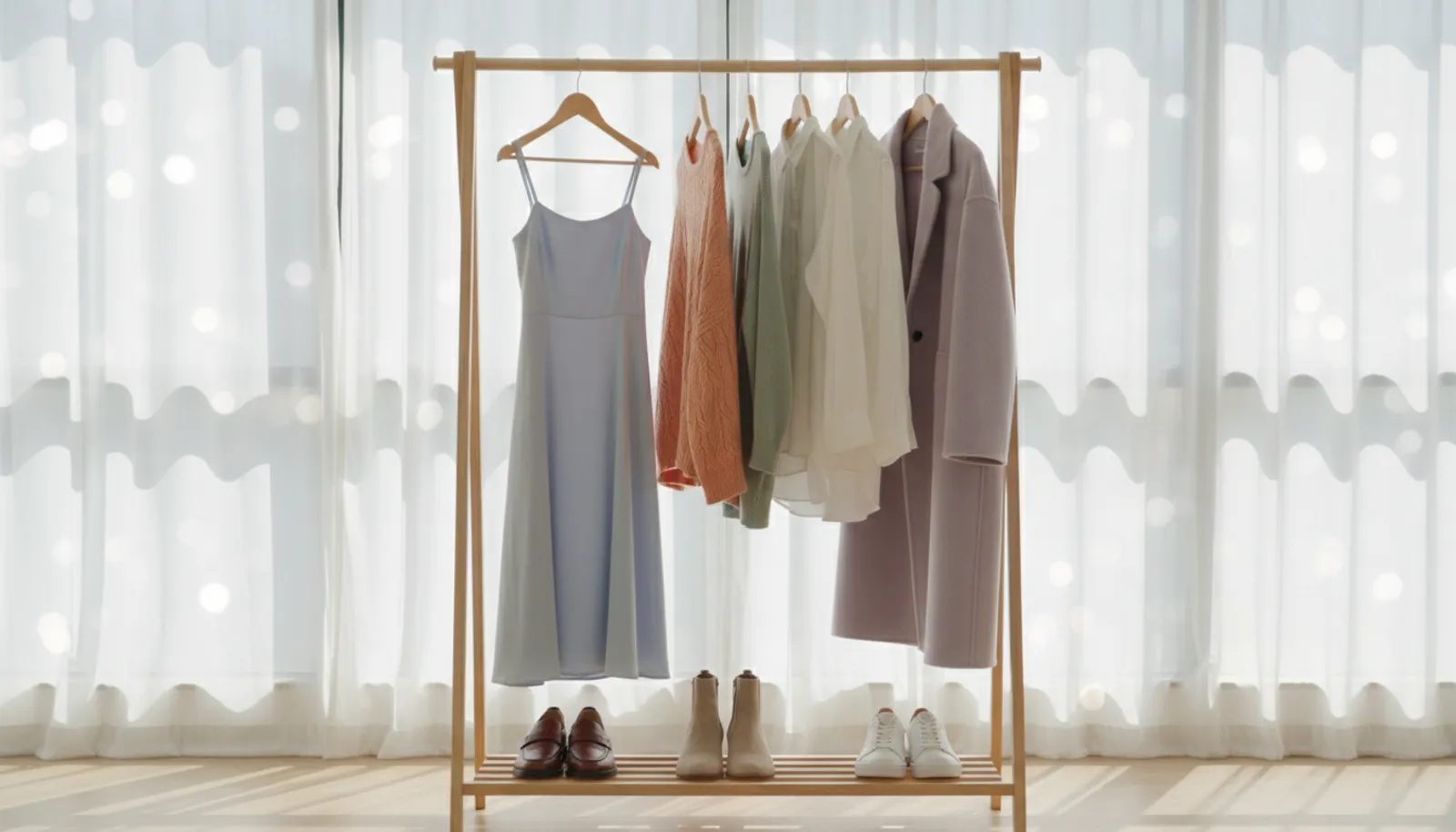
More than 80% of people wear just a fifth of their closet most of the time — a striking reminder that fewer, better pieces do more work than a bursting wardrobe. A seasonal capsule wardrobe turns that statistic into a strategy: thoughtful, minimalist fashion outfits that simplify mornings and sharpen style all year.
This guide starts with the building blocks you’ll reach for again and again: crisp white shirts, straight-leg blue jeans, clean white tees, classic knits, and a simple black dress. Brands from Levi’s and COS to Khaite and Toteme illustrate how capsule wardrobe ideas can span price points without sacrificing polish.
Practical rules make the capsule usable: begin with what you wear now, lean on a neutral palette with one or two accent colors, and pick fabrics that travel through seasons. For more context on the approach and examples of timeless pieces, see a concise primer on capsule principles at Vogue.
Key Takeaways
- Focus on versatile staples—white button-downs, straight-leg jeans, and neutral tees—to form the backbone of best outfit ideas.
- Build a seasonal capsule wardrobe around a mostly neutral palette with 1–2 accent colors for cohesion.
- Select durable fabrics like cotton-poplin, linen, and lightweight cashmere for minimalist fashion outfits that last.
- Create a 30–50 item year-round wardrobe or a smaller seasonal set; start with a draft and refine it over time.
- Invest where it counts (coats, shoes, blazers) and save on basics to balance cost and longevity.
What a Capsule Wardrobe Is and Why It Works for Every Season
Think of a capsule wardrobe as a curated foundation of essentials that makes getting dressed fuss-free. The capsule wardrobe definition centers on owning fewer, high-quality pieces that mix effortlessly. This approach turns classic staples into go-to items you wear again and again.
Origins
The idea began in the 1970s with Susie Faux, who promoted a tight edit of versatile clothes. Designer Donna Karan pushed the concept into the mainstream in the 1980s with the “Seven Easy Pieces” approach. That history explains why minimalist fashion outfits feel both modern and timeless.
Clear benefits
Less decision fatigue is one big win. When your wardrobe has intentional basics, mornings move faster and choices feel easier. You gain time you would have spent shopping or deciding what to wear.
Cost savings come from buying fewer, better-made items that last longer. That shift reduces waste and supports more sustainable habits. Many people find their closet becomes less cluttered and more useful.
Why seasonal capsules work
A seasonal capsule wardrobe adapts that core idea to the weather and activities of a specific time of year. You swap fabrics and a few pieces rather than owning one massive, year-round collection.
For summer, swap wool for linen and silk. For winter, choose cashmere or wool and add heavier coats and boots. This targeted swap keeps outfits practical and aligned with fashion tips for seasons.
How to start
- Audit what you wear most and build around neutral basics.
- Limit palette to versatile tones with one or two accents.
- Favor well-fitting silhouettes and durable fabrics.
Using these steps helps you create minimalist fashion outfits that feel personal and useful. A focused capsule makes style easier, cleaner, and more intentional across every season.
How to Plan a Seasonal Capsule Wardrobe with Minimalist Fashion Outfits
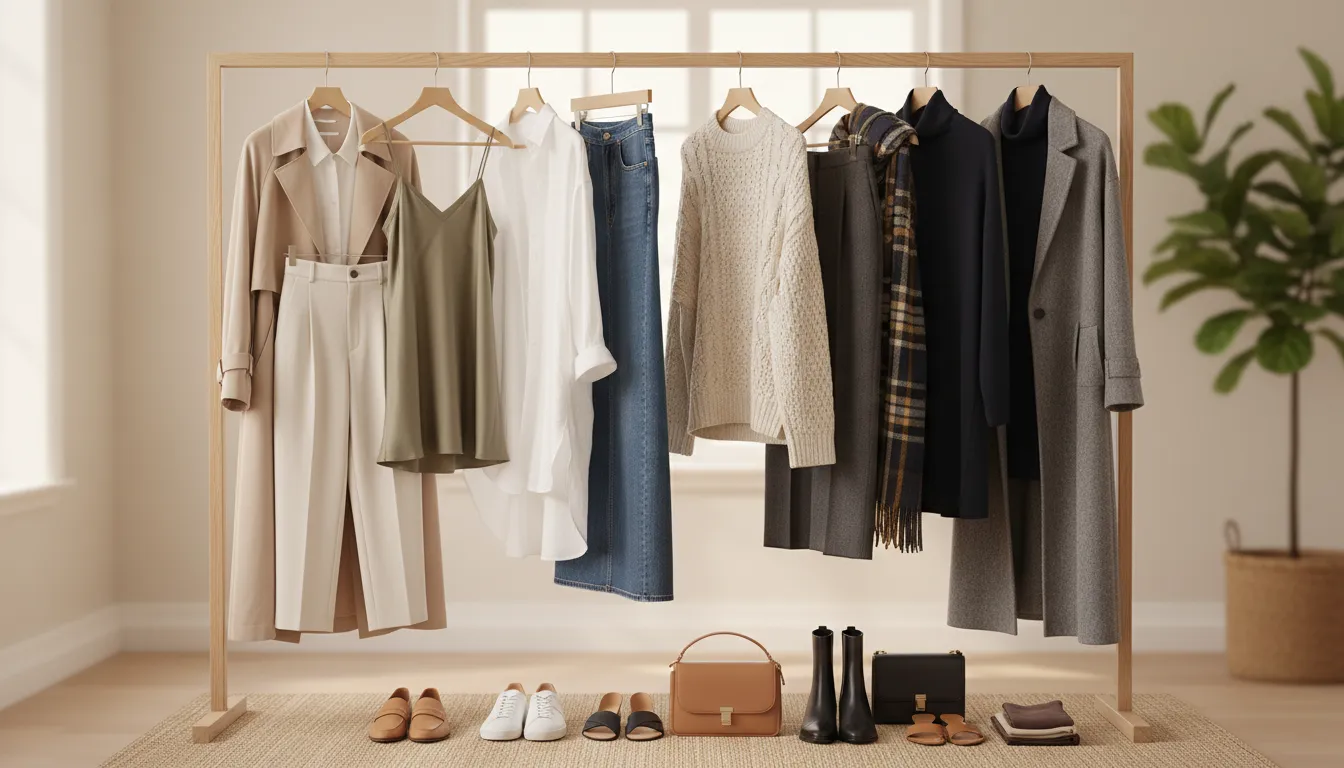
Start by mapping daily routines, climate patterns, and upcoming events. Lifestyle wardrobe planning begins when you list what you actually wear each week. Note laundry frequency and travel needs so outfits stay realistic for your life.
Start with your lifestyle and climate
Audit a month of outfits to see which pieces rotate most. Count staples such as tees, tanks, and sweaters and keep those that earn daily wear. Pick items that transition across activities like errands, work, and short trips.
Factor local weather into choices. For warm seasons, favor linen and cotton. For cold months, choose wool or cashmere layers. This step helps you plan seasonal capsule wardrobe pieces that actually perform.
Choose a mostly neutral palette with 1–2 accent colors
Select a neutral palette capsule in shades like navy, camel, black, cream, and gray. Add one or two accent colors to keep looks fresh. A focused color story makes mixing outfits effortless and keeps the closet small but useful.
Keep basics from trusted brands such as Khaite or Quince if your budget allows. Buy one functional black tote and a compact crossbody for daily needs. Treat your first capsule as a draft and refine it by tracking what you wear most.
Build around versatile silhouettes and durable fabrics
Center the capsule on classic silhouettes: straight-leg jeans, a crisp shirt, a white tee, black trousers, and a simple dress. These form the backbone of minimalist fashion outfits and can be dressed up or down easily.
Choose fabrics by season. Use linen blends and cotton for heat, silk for adaptable dresses, and wool or cashmere for warmth. Mix price points so quality aligns with your budget and long-term wear goals.
For a practical checklist and example counts to shape your capsule, see this summer capsule guide by Cappuccino & Fashion:
summer capsule wardrobe example
| Category | Suggested Count | Seasonal Fabric Tips |
|---|---|---|
| Tops (tees, tanks) | 5–7 | Lightweight cotton, linen blends for summer |
| Blouses / shirts | 3–5 | Poplin or silk for versatility |
| Sweaters / knits | 3–5 | Cashmere or merino for warmth and compact layering |
| Bottoms | 5–7 | Denim, wool trousers, viscose for drape |
| Dresses | 2–3 | Silk or linen depending on season |
| Jackets / coats | 3–5 | Lightweight denim, trench, wool coat for cold |
| Shoes | 4–5 | White sneakers, sandals, boots to cover needs |
| Accessories | 4–6 | Functional tote, crossbody, belts, minimal jewelry |
Start with a compact list of essential staples that let you create countless looks. Focus on quality fits and fabrics so each item pulls duty across weather changes. These core wardrobe pieces become the backbone of smart dressing and make it easier to assemble the best outfit ideas for work, weekend, and travel.
Core tops: white tee, tanks, and understated blouses
A crisp white tee works with everything. Choose high-quality cotton from brands like Uniqlo or Leset for daily wear. Pack 5–7 tees and tanks to rotate without washing every day.
Add a few understated blouses in silk or cotton from Frank & Eileen or COS. These elevate jeans or trousers for simple, polished looks that qualify as some of the best outfit ideas you can rely on.
Core bottoms: blue jeans, black jeans, tailored trousers
Start with a flattering pair of straight-leg blue jeans from Levi’s or Frame. Pair them with black jeans and one pair of tailored trousers from Madewell or COS for office and evening outfits.
Aim for 5–7 bottoms to cover casual, smart-casual, and dressier moments. Versatile denim and tailored pants let you switch tones and textures while keeping the capsule lean.
Layering pieces: denim jacket, crewneck sweater, cardigan, blazer
Layering pieces turn a small collection into a year-round wardrobe. A denim jacket from Reformation or Khaite works in spring and fall. Crewneck sweaters in cashmere or wool from Jenni Kayne or Everlane bridge cool mornings and chilly nights.
Include a classic blazer for structure and a cardigan for soft, cozy layers. These items are seasonal capsule wardrobe essentials that expand outfit options without adding clutter.
For a handy reference, build your capsule using recommended counts and tested staples. Follow a simple rule: choose pieces that mix across at least three outfits. Learn more about classic choices and how to assemble them at timeless wardrobe staples.
| Category | Recommended Count | Examples |
|---|---|---|
| Tees & Tanks | 5–7 | Uniqlo Supima tee, Leset tank, basic cotton |
| Tops & Blouses | 3–5 | Frank & Eileen white button-down, silk blouse |
| Bottoms | 5–7 | Levi’s straight-leg, Frame jeans, COS trousers |
| Sweaters | 3–5 | Jenni Kayne crewneck, cashmere knit |
| Outer Layers | 3–5 | Denim jacket, blazer, long wool coat |
| Shoes & Accessories | 6–10 | White sneakers, loafers, boots, belt, gold necklace |
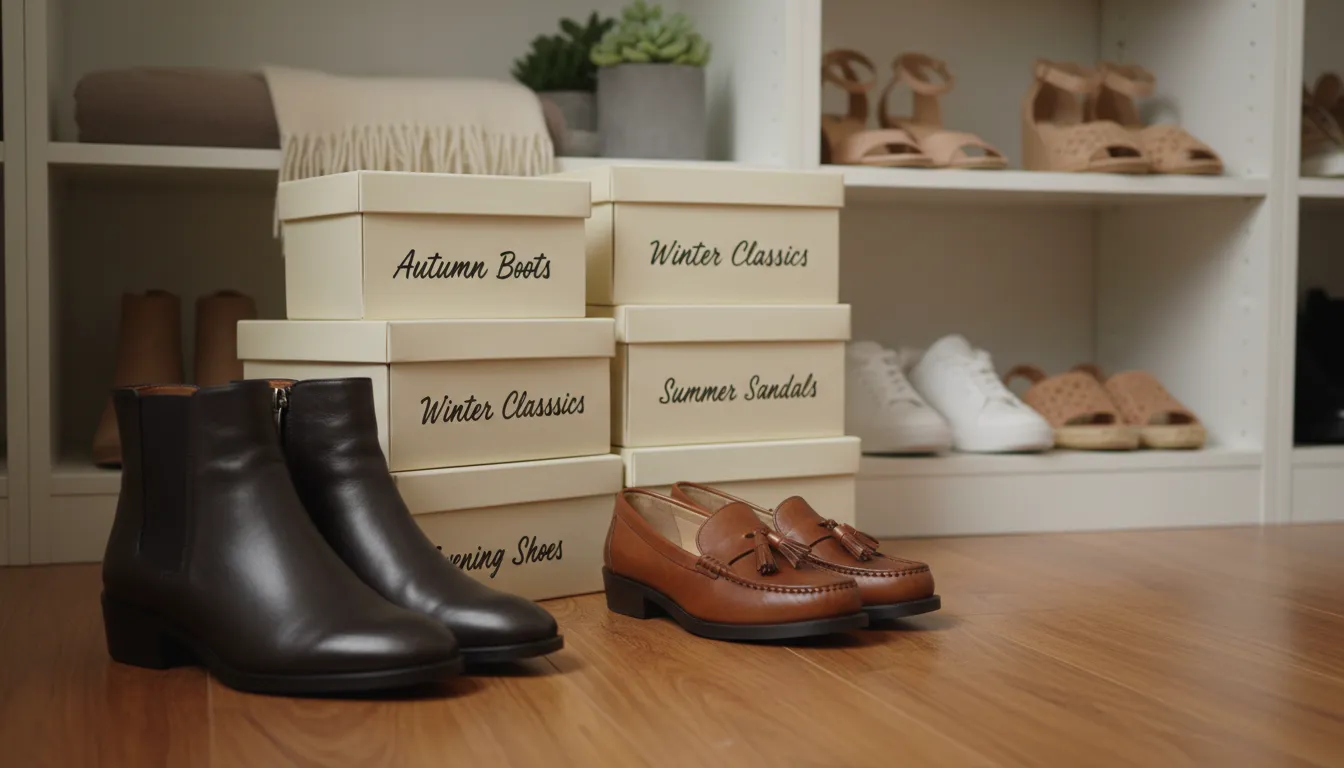
Choosing the right shoes and small touches turns a limited closet into many looks. Focus on a compact footwear capsule wardrobe that matches your daily life. Pick pieces that move easily between work, errands, and evenings out.
Everyday shoe options
Start with neutral white sneakers from labels like Celine or Isabel Marant for clean, modern vibes. Add ballet flats such as Margaux or Chanel when you want polished comfort. Keep a pair of loafers from Jenni Kayne or Quince for sharper outfits and easy transitions.
Seasonal shoe choices
Select 4–5 purposeful pairs that suit your climate. Include ankle or mid-calf boots and a Chelsea or knee-high option from brands like TOTEME or Khaite if you wear boots often. For warm months, choose neutral sandals and a low-heel option. These seasonal shoes let you adapt looks without overbuying.
Accessories that elevate
Invest in a classic black tote such as Cuyana and a compact crossbody for days when you travel light. Add a leather belt to sharpen silhouettes and simple gold jewelry from Aurate or Adina Reyter to age well. Thoughtful accessories minimalist fashion outfits give you variety while keeping the core capsule small.
Below is a compact guide to mix-and-match items and when to wear them. Use it to build best outfit ideas accessories into everyday looks.
| Item | When to Wear | Why It Works |
|---|---|---|
| White sneakers (Celine, Isabel Marant) | Casual days, travel, weekend | Neutral, comfortable, pairs with jeans and dresses |
| Ballet flats (Margaux, Chanel) | Office, lunch dates, polished casual | Classic shape, compact, dressy without heels |
| Loafers (Jenni Kayne, Quince) | Workwear, smart-casual | Structured, elevates simple trousers and skirts |
| Chelsea or knee-high boots (TOTEME, Khaite) | Fall and winter, rainy days | Durable, warm, defines seasonal outfits |
| Neutral sandals | Summer, travel, warm evenings | Lightweight, pairs with linen and silk |
| Black tote (Cuyana) & crossbody | Work, travel, errands | Functional storage, dresses up simple outfits |
| Leather belt | To define waist or finish layers | Transforms proportions, simple cost-per-wear |
| Gold jewelry (Aurate, Adina Reyter) | Everyday and special occasions | Adds polish and continuity across outfits |
Best outfit ideas for Spring: light layers and transitional looks
Spring calls for easy, wearable choices that bridge cool mornings and warm afternoons. Start with breathable cotton and linen pieces. Keep a neutral base and add one accent color for freshness.
Key pieces to include
Choose a lightweight cardigan from J.Crew or Sézane for chilly mornings. Add a denim jacket by Reformation or Frame for effortless layering. Keep at least one midi dress in cotton or silk for versatile daytime wear.
Sample outfits
Build reliable combos around core items. Try a white tee tucked into straight-leg jeans, topped with a trench coat and white sneakers for a classic outing. Pair a midi dress with a denim jacket and loafers for brunch. Wear a lightweight cardigan over a button-down and chinos for work-ready comfort.
Styling tips
Balance proportions by tucking relaxed tops into high-rise jeans or pairing wide-leg trousers with fitted tees. Add a light scarf or a slim belt to refine shapes. Choose white sneakers, ballet flats, or leather loafers to finish looks without fuss.
Use these spring outfit ideas to create transitional looks capsule wardrobe entries that move easily from day to night. Focus on minimalist fashion outfits spring principles to keep combinations fresh and wearable. With these best outfit ideas spring, you can build 7–10 go-to ensembles using pieces you already love.
Best outfit ideas for Summer: breathable fabrics and versatile dresses
Summer calls for light layers, easy silhouettes, and pieces that travel well. Pick a few reliable items that mix and match, so you can create multiple looks from a small summer capsule.
Key pieces to include
Start with a silk or linen dress that moves and breathes. Add tanks from brands like Everlane or Uniqlo for everyday wear. Finish with neutral sandals and a white sneaker to shift the outfit from casual daytime to evening.
Sample outfits
Try a slip silk dress paired with simple sandals and a woven belt for a daytime stroll. Swap to heels and a lightweight blazer for dinner. Another reliable combo is a crisp white tee with a midi skirt; it reads polished and stays cool.
Care and packing tips for heat and travel
Choose washable, low-wrinkle fabrics such as linen blends and silk mixes that hold up in a suitcase. Use the 5-4-3-2-1 packing idea: five tops, four bottoms, three shoes, two layers, one accessory to save space.
When you build a breathable fabrics capsule wardrobe, prioritize pieces that dry quickly and resist creasing. Pack a neutral sandal and a white sneaker to cover most occasions without extra bulk.
For minimalist fashion outfits summer, focus on neutral tones with one accent color. That approach creates the best outfit ideas summer with fewer items and more outfit combinations.
Best outfit ideas for Fall: layering, texture, and classic knits
Fall calls for smart layering and tactile fabrics that feel good all day. Start with midweight knits and versatile bottoms to build a practical wardrobe that still reads as polished. A layering capsule wardrobe centered on neutral tones lets you mix pieces for work, weekends, and travel without extra clutter.
Key pieces to include
Crewneck sweaters in cashmere or wool are the backbone of minimalist fashion outfits fall. Add a leather jacket from Mango or a wool trench for structure. Finish with ankle boots or loafers from brands like Everlane or Sam Edelman to keep outfits grounded.
Sample outfits
Sweater tucked into high-rise, straight-leg jeans creates instant shape. Pair with loafers for a polished daytime look or ankle boots for cooler evenings. Layer a denim jacket or a wool coat over a midi dress and throw on a crewneck over the dress for a modern silhouette.
How to change silhouettes with scarves and belts
A wide leather belt cinches oversized sweaters at the waist and gives high-rise jeans more polish. Lightweight wool scarves add volume at the neck and bring texture without bulk. Swap a narrow belt for a statement belt to make a simple sweater feel deliberate and new.
| Piece | Why it works | How to style |
|---|---|---|
| Crewneck sweater (Quince, Jenni Kayne) | Midweight warmth, easy to layer | Tuck into jeans, layer over a dress, or wear under a blazer |
| Leather jacket (Mango, ME+EM) | Adds edge and weather resistance | Pair with knits and skirts or with jeans and ankle boots |
| Straight-leg jeans (Agolde, Frame) | Classic shape that balances chunky knits | Tuck sweaters in or cuff for ankle boot showcase |
| Ankle boots & loafers (Everlane, Sam Edelman) | Versatile footwear for day-to-night | Wear with jeans, midi skirts, or dresses |
| Scarves & belts (varied price points) | Change proportions without extra garments | Use belts to define waist, scarves to add texture and color |
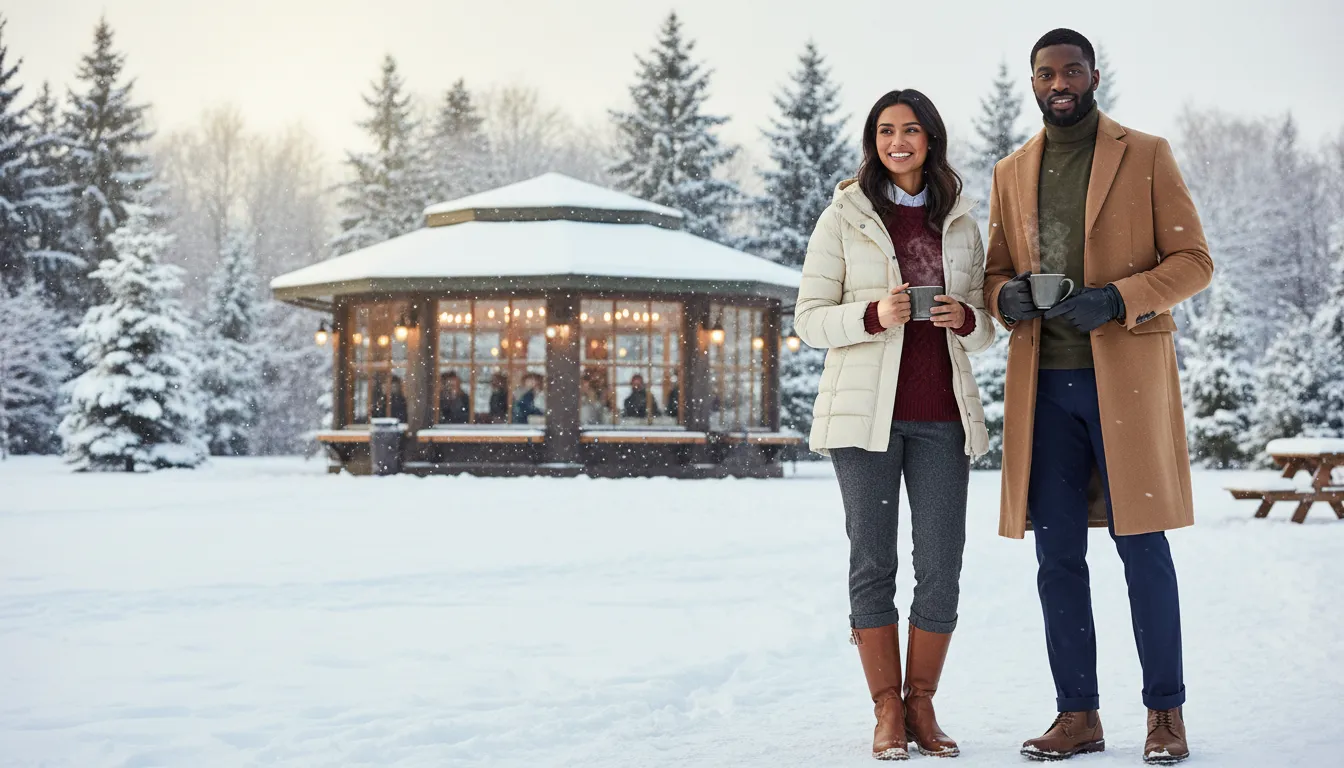
Choose a long coat as your anchor and build a warm capsule wardrobe around it. Pick insulated fabrics like wool and cashmere for sweaters, add a slim thermal layer, and finish with sturdy boots for a polished look that resists cold without adding bulk.
Key pieces to include
Invest in a long coat from trusted brands such as Mango or Nili Lotan for a powerful silhouette. Add heavy knits or cashmere crewnecks from Jenni Kayne or Quince. Choose Chelsea or knee-high boots from LOEWE, KHAITE, or TOTEME to ground outfits and extend wear across seasons.
Sample outfits
Start with a high-quality sweater layered over a thin thermal tee, add tailored black trousers, and top with a long wool coat. Finish with knee-high boots for a streamlined, practical set. Swap to a heavy knit dress under the same coat and use Chelsea boots for a more casual take.
Layering strategies to stay warm and chic
Layer thin, insulating pieces rather than bulky items. Use a fitted thermal base, a cashmere mid layer, and the overcoat as the final protective piece. Place scarves or a vest between layers to trap heat where needed.
Plan 3–5 sweaters in varying weights to rotate through your warm capsule wardrobe. Include a heavier puffer or insulated coat if your climate demands it. Store off-season pieces to keep the closet focused and reduce morning decision fatigue.
These minimalist fashion outfits winter tips produce outfits that look refined and remain practical. With a few durable staples and smart layering, you’ll have the best outfit ideas winter needs to stay warm without sacrificing style.
Putting Together 7–10 Go-To Outfits from a Small Capsule
Start by choosing one high-rotation piece such as straight-leg jeans, a silk tank, or a versatile sweater. Build five to nine variations around that item by swapping shoes, adding a layer, or changing accessories. This method turns a small set of garments into a reliable set of go-to outfits capsule looks for work, weekends, and travel.
Start with a high-rotation piece and build variations
Pick an item you wear most days, for example a white button-down or fitted tee. Brainstorm combos: tuck it into tailored trousers for the office, pair with a midi wrap skirt for lunch, or wear under a denim jacket for errands. Small tweaks like a belt, loafers, or a blazer change the mood without needing extra pieces.
Use photos or a capsule checklist to save favorite combinations
Take quick photos of each outfit to speed morning choices. Put those shots into a printable capsule checklist you can keep by the closet. A simple list helps you track which combinations work best, so you can rotate looks while keeping the capsule compact and functional.
Examples: work-ready, weekend casual, date-night, travel looks
Work-ready: white button-down + black trousers + blazer; add loafers for a polished, minimalist fashion outfits approach. Weekend casual: straight-leg jeans + fitted t-shirt + sneakers; layer a denim jacket for chillier days. Date-night: silk dress or silk tank + midi wrap skirt + heels; finish with gold jewelry for lift.
Travel looks focus on comfort and layering. One-and-done dresses work as day outfits and as lightweight covers when paired with a jacket. Pack pieces that mix easily and follow a capsule checklist for quick reassembly after laundry or long days on the road.
- Work: white button-down, black trousers, blazer, loafers.
- Weekend: fitted tee, lightweight pants, sneakers, denim jacket.
- Date: silk tank, midi wrap skirt, heels, subtle jewelry.
- Travel: dress that buttons open, wrap top, lightweight pant, layered pieces.
For hands-on inspiration, see a practical mix-and-match example at thisisaday’s guide. Use those ideas to expand your catalog of best outfit ideas while keeping focus on true minimalist fashion outfits.
How to Edit Your Closet Seasonally and Maintain Minimalist Fashion Outfits
Start by setting aside an hour each season to edit closet seasonally. Pull the pieces you reach for most and keep them front and center. A few staples, like a white tee or tailored blazer, will wear the most. Make those easy to access so outfits form quickly on busy mornings.
Three-step editing process
Pull favorite worn pieces first. These reveal what you truly wear, not what you think you should.
Sort remaining items into categories: jeans, tops, dresses, outerwear, shoes. This makes gaps visible and simplifies choices.
Gently declutter: donate, sell, or recycle items that no longer fit your life. Keep a small “maybe” pile and test it for two weeks before deciding.
Rotate and store
Move off-season items out of sight to make room for current textures and weights. Use labeled boxes or vacuum bags for sweaters and heavy coats during spring and summer. When fall returns, pull those boxes and reassess each piece before reintegrating.
Repair, donate, or replace
Repair high-quality garments when possible. A small hem or button repair keeps a favorite item in rotation. Donate or sell pieces that are in good condition but don’t suit your current life. Replace worn basics with similar, better-quality versions to reduce future turnover.
Practice minimalist fashion outfits maintenance by keeping a short checklist: favorite pieces, items to repair, items to donate, and a seasonal shopping note. Treat your first capsule as a draft. After a few weeks, adjust the edit based on what you wore and what you missed.
Use seasonal capsule wardrobe tips to guide fabric choices—add linen and lightweight cotton for summer, shift to cashmere and wool blends for fall and winter. Texture changes refresh looks without a major wardrobe overhaul.
Shopping and Investment Tips for a Durable, Stylish Capsule
Start by deciding which pieces will earn the most wear. A well-cut blazer, a long wool coat, and sturdy leather boots form the backbone of a lasting closet. Treat those items as investment pieces wardrobe priorities and buy the best fit you can afford.
Split your budget into splurge and save categories. Spend on leather goods and tailoring. Look for a classic tote or crossbody from brands like LOEWE or Celine when the budget allows. Save on trend-driven, high-rotation basics with affordable, reliable brands such as Everlane, Madewell, or Quince.
Secondhand shopping is smart for high-end jackets and bags. Vintage YSL, Prada, and Dior leather jackets can offer that designer feel at a better price per wear. This approach keeps your investment pieces wardrobe strong while staying within budget.
Keep a shortlist of go-to brands for staples. For tees and tanks, consider Khaite for a splurge or Quince for value. For jeans, Frame and Agolde deliver durable shapes and flattering cuts. For shoes, Rothy’s and Madewell Dime Chelsea Boot are practical picks that balance comfort and style.
Use these best outfit ideas shopping tips when you try items on. Prioritize fit, fabric, and color harmony with your capsule palette. Choose one tasteful trend per season, such as a colored loafer or a statement belt, to freshen looks without breaking cohesion.
Rotate pieces slowly. If a new trend piece doesn’t get frequent wear in the first month, return it or skip the purchase. That rule keeps a brands capsule wardrobe focused and functional.
Below is a quick comparison to guide purchases across price points and categories.
| Category | Splurge Example | Midrange Option | Budget Pick |
|---|---|---|---|
| Leather Bag | LOEWE Small Puzzle | Coach Tabby | Madewell The Transport Tote |
| Leather Jacket | AllSaints or secondhand Prada | Schott NYC | Mango faux-leather |
| Blazer | Theory wool blazer | Sezane tailored blazer | Mango structured blazer |
| Jeans | Frame Le High | Agolde Riley | Levi’s 501 |
| White Tee | Khaite | Everlane | Uniqlo Supima |
| Boots | Khaite or TOTEME | Madewell Dime Chelsea Boot | Dolce Vita casual boots |
| Sweater | Allude cashmere | Everlane cashmere | Quince merino |
| Everyday Sneakers | Common Projects | Veja | Dolce Vita |
Fewer well-chosen pieces make dressing easier and more enjoyable. A seasonal capsule wardrobe built around timeless staples—white shirts, straight-leg jeans, basic tees, knits, and classic outerwear—lets you create the best outfit ideas for any month. When you prioritize fit and fabric, each item works harder and lasts longer, saving time and money while reducing wardrobe clutter.
Start with what you actually wear, sort gently, and assemble a neutral palette with one or two accent colors. Aim to build 7–10 reliable looks from those core pieces, and rotate them as the weather changes. These minimalist fashion outfits cut decision fatigue and make daily dressing feel intentional rather than stressful.
Blend price points and choose fabrics suited to the season—linen and cotton for summer, wool and layered knits for winter. Use accessories like a leather belt, gold jewelry, and a structured bag to refresh looks without adding bulk. Follow these simple fashion tips for seasons and you’ll enjoy a smarter, more sustainable closet that reflects your life and style.
FAQ
What is a capsule wardrobe and where did the idea come from?
A capsule wardrobe is a curated, compact collection of versatile, high-quality pieces that mix-and-match to simplify daily dressing. The concept traces back to Susie Faux in the 1970s and was popularized by Donna Karan’s “Seven Easy Pieces” in the 1980s. Seasonal capsules focus on fabrics and layers suited to spring, summer, fall, or winter while year‑round capsules prioritize timeless neutrals and flexible layering.
How many items should a seasonal capsule include?
Typical seasonal capsules range from about 30–50 items, but smaller systems exist too—like the 333 method or 10‑item capsules. A practical seasonal target often follows category guidance: 5–7 bottoms, 5–7 tees/tanks, 3–5 blouses, 3–5 sweaters, 2–3 dresses, 3–5 outer layers, 4–5 shoes, and several accessories. Treat your first capsule as a draft and refine after living with it for a few weeks.
What are the core staples to cover all seasons?
Core staples include basic tees and tanks, a crisp white button‑down, straight‑leg blue jeans, black jeans or tailored black trousers, a simple black dress, crewneck sweaters and cardigans, a denim jacket, a black blazer, a long coat, leather jacket, and leggings. Choose fabrics for seasonality—linen/cotton for warm months and wool/cashmere for cold months.
Which shoes and accessories should I prioritize?
Prioritize versatile shoes: a pair of white sneakers, ballet flats, loafers, ankle or Chelsea boots, and a neutral sandal for summer. Accessories that elevate include a chic black tote or crossbody, simple belts, and gold jewelry like fine chains or studs. These small investments refresh looks without increasing garment count.
How do I build a spring capsule that feels fresh and practical?
Start with lightweight layers: a denim jacket, a lightweight cardigan, midi dresses, breathable tees, and neutral sandals or white sneakers. Build 7–10 reliable outfit combinations—examples: tee + trench + straight‑leg jeans + sneakers, or midi dress + denim jacket + ballet flats. Use accessories, proportions, and one accent color to keep looks interesting.
What should be in a summer capsule for travel and heat?
Focus on breathable, low‑wrinkle fabrics like linen, cotton, and silk blends. Key pieces: tanks and basic tees, a silk or linen slip dress, a midi skirt, neutral sandals, and a white sneaker. Pack versatile items that transition day‑to‑night (slip dress with sandals or sneakers) and use the 5‑4‑3‑2‑1 packing method to stay compact.
How do I adapt my capsule for fall layering and texture?
Add midweight knits, a leather jacket, a trench or wool coat, ankle boots, and denim or straight‑leg jeans. Choose textures—wool, leather, knit—to add seasonal interest. Sample outfits: crewneck sweater + straight‑leg jeans + loafers, or sweater + midi skirt + ankle boots. Scarves and belts help change silhouettes without adding many items.
What are the must‑haves for a winter capsule that stays chic but warm?
Prioritize a long overcoat, heavy knits or cashmere crewnecks, thermal or thin base layers, Chelsea or knee‑high boots, and a reliable pair of tailored trousers. Create layered looks like sweater + black trousers + long coat + boots. Choose insulating fabrics and thin multiple layers to avoid bulk while staying warm.
How can I create 7–10 go‑to outfits from a small capsule?
Start with a high‑rotation piece (like your favorite jeans or sweater) and build variations by swapping tops, shoes, or outerwear. Photograph outfit combinations or keep a printable checklist to repeat favorites. Make sure each outfit serves a purpose—work, weekend, travel, date night—so the capsule covers daily life with few pieces.
What’s the easiest way to edit my closet seasonally?
Follow a three‑step edit: pull your worn favorites first, sort remaining items into categories (tops, bottoms, dresses, outerwear, shoes), and gently declutter pieces that no longer fit your life or style. Store off‑season pieces out of sight, repair promising items, and donate or sell what’s in good condition. Revisit the capsule after a few weeks and tweak as needed.
Where should I splurge and where can I save when building a capsule?
Splurge on fit and enduring leather goods—good blazer, long coat, quality tote, and durable boots often pay off. Save on high‑rotation basics if needed—there are excellent budget options for tees, some sweaters, and sneakers. Mix price points: invest in a timeless white shirt, straight‑leg jeans, and a versatile blazer, while choosing affordable tanks or seasonal trend pieces.
Which brands are reliable across price ranges for capsule pieces?
Reliable options span price points: Quince, Everlane, and Uniqlo for affordable basics; J.Crew, Reformation, Frame, Agolde, and Madewell for quality denim and staples; Jenni Kayne, Sézane, Toteme, Khaite, and The Row for investment knits, coats, and leather goods. For shoes: Dolce Vita or Rothy’s for accessible sneakers, Margaux or Chanel for ballet flats, and Toteme or Khaite for boots if you’re investing.
How do I add a trend to my capsule without ruining cohesion?
Limit trends to one small piece or accessory—like a colored loafer, a statement belt, or a patterned scarf—and ensure it complements your neutral palette. Keep the rest of the capsule timeless so the trend feels intentional and easy to mix with your core pieces.
How many accent colors should I include in a capsule?
Stick to a mostly neutral palette and add one or two accent colors. This keeps outfits cohesive while allowing personality—think navy and camel with a pop of olive or rust. Accent colors make outfits feel fresh without increasing the total number of items.
How do I choose fabrics for seasonal capsules?
Match fabrics to climate and activity: linen and cotton for breathability in spring and summer; silk for versatile dresses; wool and cashmere for warmth in fall and winter; and leather for durable outerwear. Prioritize low‑wrinkle, washable fabrics for travel and high‑touch items you wear often.
What’s the best way to maintain a capsule so it lasts season after season?
Repair high‑quality pieces when needed, rotate and store off‑season items, and replace worn basics with similar, better versions. Keep a checklist of go‑to outfits, take photos of favorite combinations, and review your capsule each season—swap a few textures or pieces to reflect weather and lifestyle changes while preserving the core.