
Top Sustainable Fashion Brands to Watch Right Now
Discover the best sustainable fashion brands leading the way in ethical style. Shop with a conscience and stay chic with our top picks!

27 min read
Every year the world produces up to 100 billion clothing items while just 8 billion people live on the planet and roughly 92 million tonnes of textile waste are generated annually, according to Business Waste 2025. That scale makes clear why the hunt for the best sustainable fashion brands matters: the choices consumers make now can cut landfill waste, reduce emissions, and support fair labor across the supply chain.
Fast fashion has normalized a throwaway culture, but a growing wave of top eco-friendly clothing labels is changing the story. Outlets from Vogue to industry groups spotlight brands from accessible names like Everlane and Reformation to innovators such as PANGAIA, Patagonia, and Stella McCartney. These sustainable fashion brands show how design, materials, and transparency can coexist with style.
In 2025, shoppers want accountability. Ethical fashion labels are now judged not just by what fabrics they use but by worker pay, supply-chain traceability, and circular services like repair and resale. This guide will introduce the best sustainable fashion brands across price points and categories and offer a clear path for U.S. consumers who want to shop smarter and more responsibly.
Key Takeaways
- Scale matters: global clothing production and textile waste make sustainable choices urgent.
- Best sustainable fashion brands blend materials innovation with fair labor and transparency.
- Top eco-friendly clothing includes options across price tiersfrom affordable to luxury.
- Ethical fashion labels are increasingly evaluated on circularity: repair, resale, and take-back programs.
- Consumer demand in 2025 favors brands that walk the walk with measurable commitments.
Why sustainable fashion matters in 2025
Fashion in 2025 sits at a crossroads. The industry produces roughly 100 billion garments a year while global systems handle about 92 million tonnes of textile waste. Fast fashion speeds consumption, then shifts the burden to charity shops, municipal systems, and landfills when clothes are discarded.
Environmental pressure is clear. Brands such as Patagonia and Stella McCartney are reducing impact with recycled fibers and regenerative sourcing. Media coverage in outlets like Vogue highlights commitments to cut emissions and expand circular programs, which helps shoppers understand why sustainable fashion matters.
Social risks matter as much as environmental ones. Reports of low pay and unsafe factories push consumers to demand living wages and safer workplaces. Major companies are being asked to publish wage data, audit producers, and commit to ethical manufacturing practices.
Accountability is moving beyond material choices. Buyers expect sustainable fashion companies to show transparency across supply chains, track Scope 1 and 2 emissions, and invest in repair, resale, and take-back programs that extend garment life.
Practical options are emerging. Look for certifications like GOTS for organic fibers, B Corp for holistic performance, and OEKO-TEX for low chemical use. Choosing top eco-friendly clothing means checking those marks and seeking brands that report clear progress on labor and climate goals.
| Stake | 2025 Focus | What to look for |
|---|---|---|
| --- | --- | --- |
| Production volume | Reduce overproduction, smarter runs | Small-batch lines, pre-order models, inventory transparency |
| Waste | Lower landfill and incineration rates | Recycling streams, take-back programs, repair services |
| Labor | Living wages and safe workplaces | Factory audits, living wage commitments, public reporting |
| Materials | Regenerative and recycled inputs | GOTS, recycled content labels, verified traceability |
| Carbon | Scope 1 & 2 reductions and targets | Emission targets, renewable energy use, climate partnerships |
| End of life | Closed-loop and circular systems | Resale marketplaces, repair offerings, biodegradable options |
| Brand accountability | Clear reporting and third-party verification | Annual sustainability reports, B Corp status, independent audits |
How to recognize truly sustainable brands
Finding brands that walk the talk takes a mix of proof and common sense. Look for clear evidence rather than marketing language. Trustworthy sustainable fashion companies publish targets, share factory lists, and submit to third-party checks. Ethical fashion labels that hide details or lean on vague eco-speak should prompt questions.
Certifications and third-party verifications (GOTS, B Corp, OEKO-TEX)
Certifications GOTS B Corp OEKO-TEX help cut through hype. GOTS verifies organic-fiber thresholds and social criteria for textiles. B Corp status measures social and environmental performance across a company’s operations; brands like PANGAIA and Finisterre use B Corp to signal verified commitment. OEKO-TEX flags harmful substances in fabrics. Seek multiple credentials rather than a single badge.
Transparency in supply chains and reporting
Radical transparency shows up as published factory lists, audited reports, and measurable goals. Everlane made this visible by sharing supplier data. Luxury labels such as Chlo are adopting digital IDs and traceability tools to show origins. Look for annual impact reports with clear metrics on emissions, waste, and worker conditions.
Evidence of circular practices: take-back, repair, resale
Circular evidence goes beyond one-off capsules. Brands that offer take-back programs, repairs, and resale platforms prove they design for longer life. Patagonia and Nudie Jeans are known for repair services and lifetime commitments. CleanHub highlights companies that fund measurable ocean-cleanup and plastic-offset projects. Avoid brands without verifiable programs or timebound targets.
best sustainable fashion brands
Choosing responsible labels takes more than a green logo. This list brings together brands evaluated for material choices, labor practices, traceability, emissions goals, and circular programs. Use these criteria to compare options and find top eco-friendly clothing that fits your values and budget.
Criteria used to select brands in this list
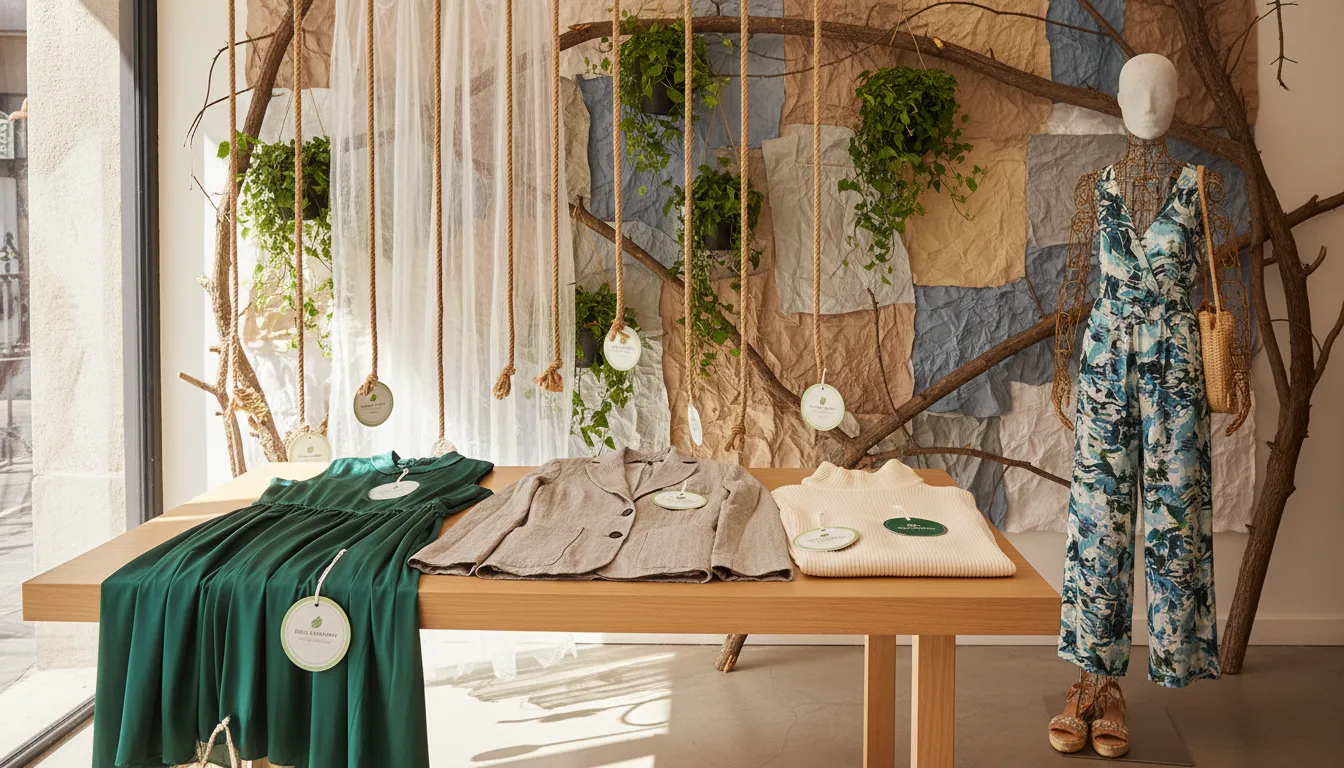
We prioritized measurable actions over marketing claims. Brands earned attention for verified certifications like B Corp and Fair Trade, public emissions targets, and use of responsible materials such as organic cotton, recycled polyester, TENCEL, and ECONYL.
Evidence of circularity was required. Look for repair, resale, and take-back programs. Brands with clear supplier lists and third-party audits ranked higher on transparency. For a practical reference, see the curated ranking from CleanHub on sustainable clothing choices at CleanHubs best-sustainable-clothing brands.
Balancing environmental impact, labor standards, and transparency
Top eco-friendly clothing comes from companies that reduce emissions while protecting workers. Patagonias long-term activism and donations sit alongside Fair Trade factories used by Passenger and Yes Friends. Those contrasts show why single metrics are not enough.
We weighed material innovation and climate targets equally with fair wages and factory conditions. Brands such as PANGAIA, Vuori, and Stella McCartney stood out for pairing strong material science with public reporting. Smaller makers like Story MFG and Greater Goods earned points for social programs and high reuse rates.
Examples across categories: luxury, streetwear, athleisure, affordable
Luxury options include Stella McCartney and Gabriela Hearst, known for plant-based leathers and blockchain traceability. Streetwear innovators like Ahluwalia and Greater Goods focus on upcycling and reclaimed textiles to reduce landfill waste.
Athleisure choices feature Vuori and Patagonia for climate commitments and durable design that extends garment life. Affordable, transparent brands such as Everlane and Organic Basics rank well for accessible basics made with cleaner inputs and clearer supply chains.
| Category | Representative Brands | Key Strength |
|---|---|---|
| --- | --- | --- |
| Luxury | Stella McCartney, Gabriela Hearst | Plant-based materials, high traceability |
| Streetwear | Ahluwalia, Greater Goods | Upcycling, reclaimed-textile design |
| Athleisure | Vuori, Patagonia | Climate targets, repair and durability |
| Outdoor/Surf | Finisterre, PANGAIA | Ocean plastics reuse, material innovation |
| Affordable basics | Everlane, Organic Basics | Transparent supply chains, cost-accessible sustainability |
| Forest & reforestation | Passenger, One Tree Planted partners | Tree planting per purchase, measurable hectares protected |
| Responsible footwear | Camper | Repair-first model, material traceability goals |
| Socially driven | Story MFG, Yes Friends | Regenerative agriculture, ethical manufacturing |
PANGAIA stands out for turning lab research into everyday wardrobe pieces. The brand blends plant-based fibers, recycled yarns, and novel dyes to make simple tees, sweatshirts, and denim that feel familiar while cutting environmental harm. Shoppers looking for top eco-friendly clothing find PANGAIA mentioned alongside other innovators in streetwear and athleisure.
Material innovation: plant-based denim, flower down alternatives
PANGAIA’s hemp-forward denim and flower down substitute show how materials science can replace conventional inputs. Hemp reduces water and chemical needs versus conventional cotton. The flower-based down alternative offers warmth without animal products, making these basics suitable for a wider set of consumers.
Climate and biodiversity initiatives: Trillion Bees and regenerative projects
Beyond fabrics, PANGAIA invests in ecosystem work such as the Trillion Bees campaign and related bee-protection funding announced at COP28. That effort pairs scientific research with on-the-ground projects to support pollinators and biodiversity. These programs link product claims to measurable conservation goals.
Circular strategies: ReWear platform and B Corp status
The ReWear resale program encourages recirculation and keeps garments in use longer. PANGAIA’s B Corp certification signals third-party assessment of social and environmental performance. Together, resale, repair-friendly design, and verified standards strengthen the brand’s case among consumers seeking the best sustainable fashion brands.
Vuori: climate-neutral active and leisure wear
Vuori blends performance design with measurable environmental action. The California brand has committed to carbon neutrality across its operations and offsets remaining emissions while setting clear reduction targets for Scope 1 and 2. This approach places Vuori among sustainable fashion companies that move beyond marketing promises.
Vuori has a target to cut Scope 1 & 2 emissions by 42% by 2030. The brand pairs internal reductions with verified carbon projects through partners such as Pachama and 3Degrees. These investments support forest protection and domestic emission-reduction initiatives that can be tracked and audited.
Plastic waste prevention is part of Vuoris story. The company works with CleanHub to offset plastic impact and reports tangible resultshundreds of thousands of pounds of plastic kept out of waterways. Garment bags and other supply-chain packaging now use recycled materials, with a goal to shrink plastic use by 80%.
Transparency is central to trust. Vuori publishes targets, progress updates, and partnerships so consumers can compare claims across ethical fashion labels. The brands reporting and third-party collaborations make it easier to evaluate real action versus greenwashing.
The table below compares Vuoris core environmental moves and how they align with wider industry practices among sustainable fashion companies. Use it to understand concrete steps brands take to lower carbon, reduce plastic, and support verified environmental projects.
| Area | Vuori Actions | Industry Benchmark Typical Practice |
|---|---|---|
| --- | --- | --- |
| Carbon status | 100% climate neutral; 42% Scope 1 & 2 reduction target by 2030; offsets via Pachama, 3Degrees | Many brands set net-zero goals; fewer publish near-term Scope 1 & 2 reduction targets with verified offsets |
| Plastic reduction | CleanHub partnership; recycled garment bags; 80% supply-chain plastic reduction goal; >430,000 lbs prevented | Growing shift to recycled content; less common to partner for verified plastic collection and reporting |
| Transparency | Public targets, progress reports, third-party project partners listed | Varies widely; top ethical fashion labels publish detailed reports, smaller brands may lack clarity |
| Program funding | Direct funding for anti-deforestation and U.S. emission-reduction projects | Some brands fund projects but not all disclose partner verifications or measurable outcomes |
Finisterre builds garments for surfers and ocean lovers with a clear mission: protect the seas while making hard-wearing kit. The brand pairs technical design with sustainable materials, aiming to keep products in use longer and to reduce waste in coastal communities.
Use of recycled ocean plastics and econyl fabrics
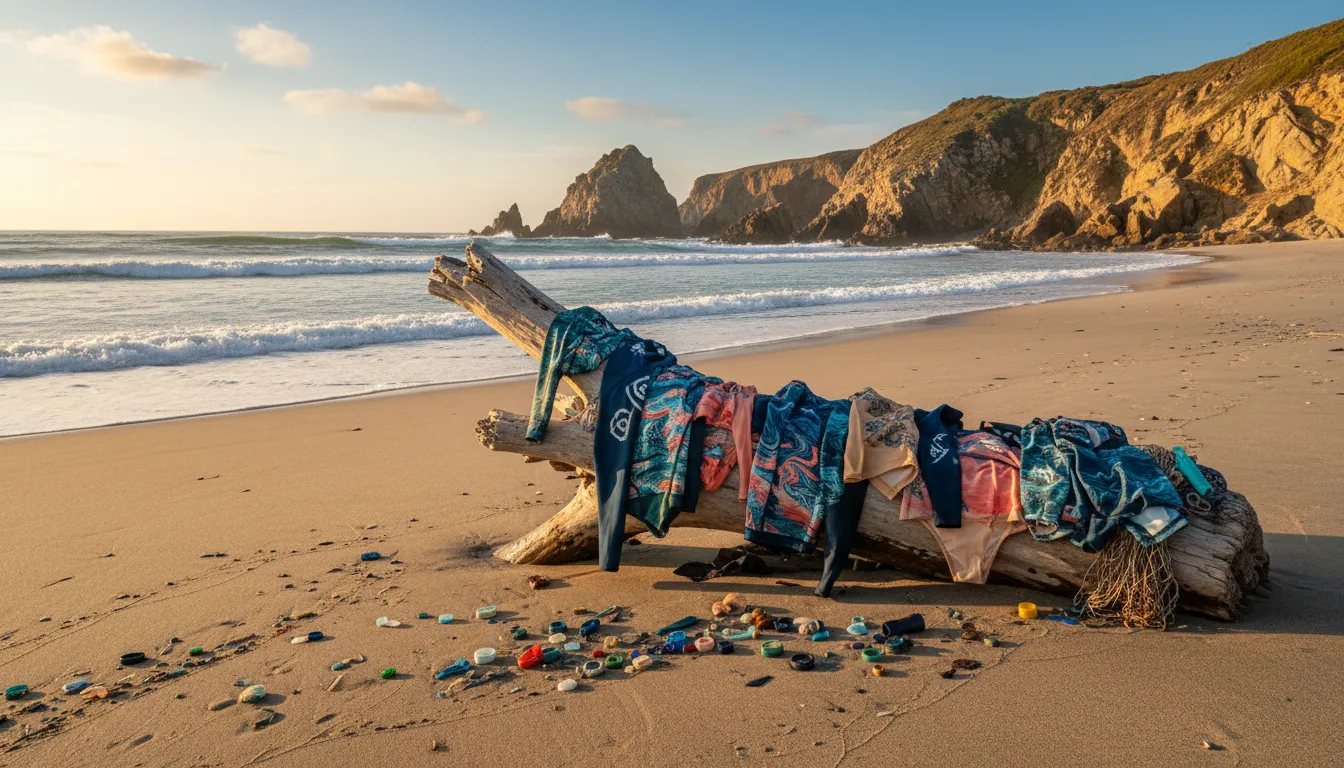
Finisterre sources recycled ocean plastics and integrates ECONYL recycled nylon from recovered fishing nets into wetsuits and outer layers. Using ECONYL helps cut carbon emissions per tonne of material, making the pieces more climate-friendly.
Leave No Trace packaging and repair resources
The brand limits single-use packaging and opts for biodegradable or recycled options that follow Leave No Trace thinking. Customers get clear repair guides and spare-parts support to stretch garment life, reflecting the view that the most sustainable item is the one already owned.
Finisterre Foundation: ocean access and conservation programs
The Finisterre Foundation funds swim lessons for children with disabilities and adapts wetsuits to improve water access. These programs grow local stewardship and link the brands product choices back to on-the-ground ocean conservation.
| Focus | What Finisterre does | Why it matters |
|---|---|---|
| --- | --- | --- |
| Materials | Recycled ocean plastics, ECONYL, biodegradable fibers | Reduces plastic leakage and lowers production emissions |
| Longevity | Durable design, repair resources, spare parts | Extends product life and cuts textile waste |
| Community | Swim access, adaptive wetsuits, conservation funding | Builds local ocean stewardship and inclusion |
| Industry role | B Corp certification, niche surfwear leadership | Sets benchmarks among the best sustainable fashion brands and top eco-friendly clothing makers |
Patagonia, founded by Yvon Chouinard, has shaped how brands blend activism with product design. The company has given roughly $140 million to grassroots environmental groups and helped launch movements such as 1% for the Planet. This long record keeps Patagonia among the best sustainable fashion brands for buyers who want proven impact.
Longstanding leadership: donations and Patagonia Action Works
Patagonia Action Works connects customers with local conservation groups and volunteer events. The brands grants and partnerships back land protection, climate campaigns, and legal fights for public lands. Those efforts make Patagonia a frequent example when people study ethical fashion labels that go beyond marketing.
Recycled and regenerative materials, Fair Trade factories
The product line highlights recycled polyester, biobased fibers, and reclaimed materials from fishing nets. Patagonia reports a high share of recycled content and increasing use of organic cotton and regenerative practices. Many garments are sewn in Fair Trade Certified factories, which supports shifts toward living wages and safer workplaces.
Repair, resale and lifetime value approach
Worn Wear, repair services, and buy-back programs keep gear in circulation and cut waste. Patagonias repair-first model encourages customers to treat garments as long-term investments. This circular approach is part of why industry watchers list Patagonia sustainable clothing among the best sustainable fashion brands and cite it alongside prominent ethical fashion labels.
For more in-depth reporting on Patagonias policies, audits, and product initiatives see an independent summary that outlines materials, emissions, and social programs: Patagonia sustainability report.
Passenger: forest conservation and reforestation commitments
Passenger blends accessible design with clear environmental action. The brand ties each purchase to a tree planted and to measurable protection of rainforest land. This model makes Passenger sustainable clothing easy to understand for shoppers who want tangible results.
Tree-planting model per purchase and measurable impact
Passenger commits to planting a tree for every purchase and reports cumulative totals. The brand has helped plant hundreds of thousands of trees and secured protection for large areas of rainforest. That level of tracking lets customers see how a single order contributes to restoration.
Sourcing: recycled cotton/polyester and Fair Trade manufacturing
Materials matter to Passenger. The company uses recycled cotton and recycled polyester in many styles and works with Fair Trade-certified factories. Choosing reclaimed fibers lowers waste and reduces demand for virgin resources while supporting better pay and conditions for workers.
Community partnerships: Rainforest Trust and Trees For The Future
Passenger partners with organizations like Rainforest Trust, Trees For The Future, and One Tree Planted to deliver measurable outcomes. Those collaborations fund agroforestry training, protect habitat, and create local income streams. Brands that link sales to verified projects set a useful example among the best sustainable fashion brands.
Stella McCartney: luxury with vegetarian-friendly materials
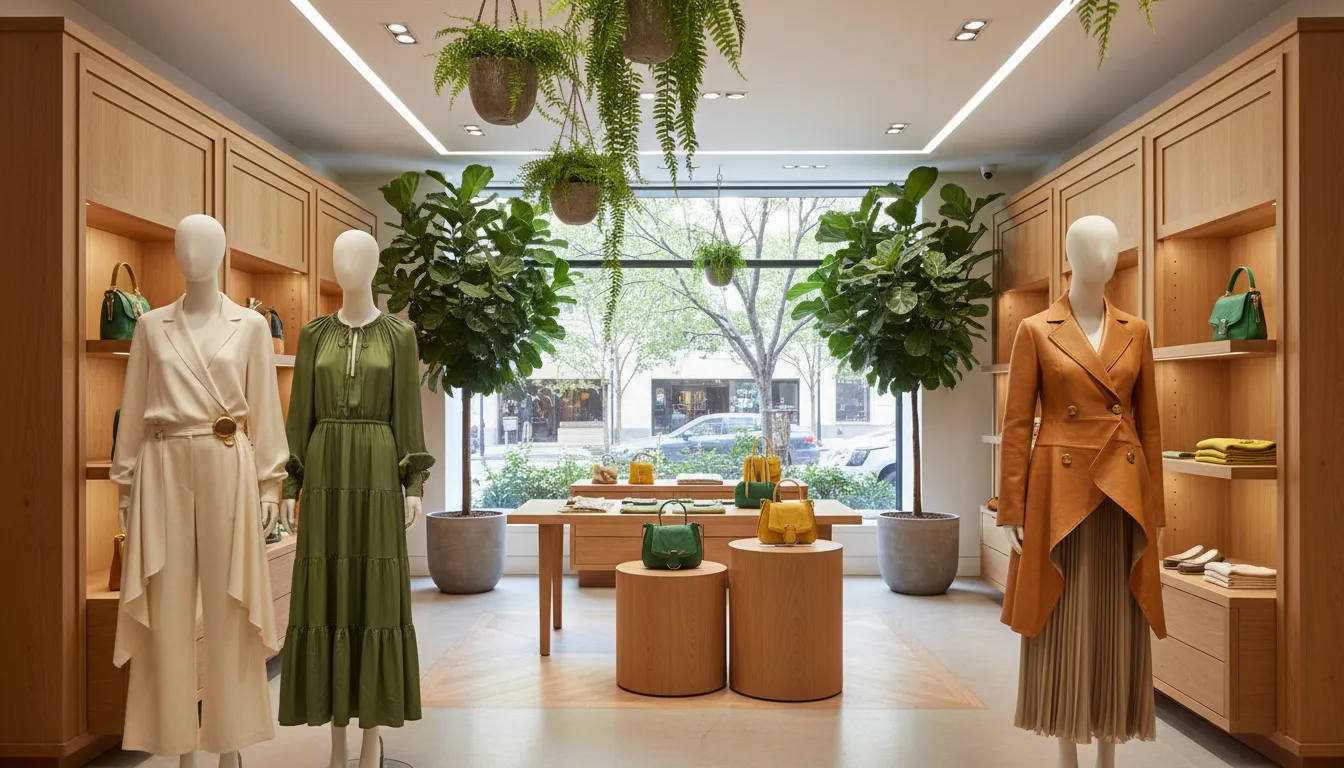
Stella McCartney has built a reputation for blending high fashion with clear environmental commitments. The brand rejects leather and fur, favors plant- and lab-based alternatives, and reports publicly on materials and impacts. This approach helped Stella McCartney sustainable luxury move from niche experiment to mainstream influence in high-end design.
Alternative materials and design choices
Collections use grape leather, Mirum, and seaweed-derived Kelsun in place of animal hide. Handbag linings have used recycled plastic bottles since 2012, which reduces reliance on virgin synthetics. These steps show how luxury can adopt novel inputs while keeping quality and desirability.
Traceability, reporting, and technology
The brand emphasizes supply-chain visibility with public reporting and blockchain trials for material tracking. Readers can explore a detailed overview of these efforts through a focused write-up on sustainability at Stella McCartneys sustainability. Such transparency sets a standard among ethical fashion labels for verifiable claims.
Targets for emissions and transport
Stella McCartney aims for net-zero across operations and supply chains by 2040. The company highlights transport as a major footprint driver and works on route planning and lead-time improvements to curb emissions from logistics. Ambitious climate targets pair with product strategies that favor longevity and circularity.
As one of the best sustainable fashion brands in luxury, Stella McCartney demonstrates how creativity and accountability can coexist. The brands early integration of ethics into design offers a model for other ethical fashion labels wanting measurable progress without sacrificing style.
Story MFG: social activism and regenerative agriculture
Story MFG treats clothing as a platform for change. The Brighton brand builds garments meant to last, using slow production and visible craft to push back against throwaway habits. This approach places Story MFG regenerative practices at the center of design and messaging.
Built-to-last pieces follow low-waste patterns and vintage workwear techniques. Dresses and outerwear are often hand-finished by small teams. These choices reduce overproduction and support fair, sustained workloads for artisans.
Regenerative textile agriculture links fiber sourcing to soil health. Story MFG avoids pesticides and favors soil-rebuilding methods that return nutrients to the land. Natural dyeing projects using indigo and plant-based baths aim to feed replanting efforts and protect local ecosystems.
Offcuts and remnants become design resources rather than landfill fodder. Patchwork, visible mends, and deliberate repurposing highlight craft while cutting waste. This practice aligns the brand with social activism clothing that asks shoppers to buy less and value repair.
The brand began with community-backed production and made-to-order runs to curb inventory risk. That early model informs todays commitment to circular thinking and craft-led supply chains. Read a detailed interview about these methods and artisan collaborations here.
Brands like Story MFG sit among the best sustainable fashion brands by showing how agriculture, dyeing, and design can work together. Their work offers a practical path toward lower-impact clothing that benefits people and place.
Greater Goods: upcycling and reclaimed-material streetwear
Greater Goods has built a reputation in London for transforming surplus textiles into bold, wearable art. The brand centers on turning leftover fabrics into patchwork pieces that keep materials out of landfills and give each garment a distinct story. This approach positions them among top eco-friendly clothing makers that blend craft with purpose.
Founder Jaimus Tailor often says the goal is to make something from nothing. Collaborations with major labels such as Nike have shown how reclaimed streams can feed fresh streetwear lines. Those limited runs highlight how reclaimed-material streetwear can be stylish, durable, and meaningful.
Patchwork and reclaimed-textile collaborations
Working with design teams and factory partners, Greater Goods sews together discarded cuts into collage-like jackets and hoodies. Each collaboration mixes supply-chain rescue with creative direction, producing pieces that read as high-design and low-waste.
Impact on textile waste and creative reuse models
Upcycling cuts waste by keeping useful fibers moving through the system. Brands using these creative reuse models document smaller landfill footprints and measurable material savings. CleanHub notes that the scale of discarded clothes is huge, and upcycling offers a tangible way to shrink that footprint.
Brand partnerships that extend lifecycle of materials
Partnerships with established labels and local workshops help extend the lifecycle of textiles. Co-branded capsules, repair pop-ups, and resale releases give garments new phases of use. Those efforts underline why Greater Goods upcycling matters in the broader movement toward circular fashion.
Camper: responsible materials and repair-first footwear
Camper, founded in 1975 in Mallorca, follows a steady a little better ethos that favors small wins over perfection. The brand experiments with recycled leather, certified organic cotton, and synthetic alternatives while pushing for traceability from raw material to final product. This pragmatic approach places Camper among notable sustainable fashion companies leading incremental change.
Commitment to traceable materials and incremental change
Camper maps suppliers and requests certifications to show where materials come from. The company blends traditional craftsmanship with new inputs, using recycled and certified fibers to reduce environmental impact. Such clarity helps shoppers trust claims about Camper responsible materials without overstating immediate results.
Repair and refurbish programs and energy efforts
Repair-first footwear programs let customers extend the life of shoes through in-store repairs and refurbishment services. These initiatives reflect slow-fashion values, keeping pairs in use longer and cutting unnecessary waste. Camper pairs repair offerings with Better Energy projects to lower the carbon footprint of stores and workshops.
Targets toward 100% responsible materials by 2030
Camper has set a goal for 100% responsible materials by 2030 and reports incremental progress each year. The target includes scaling recycled inputs, improving leather sourcing, and increasing certified cotton use. As an example among sustainable fashion companies, Camper measures change through concrete steps rather than sweeping promises.
Yes Friends: ethical manufacturing and worker well-being
Yes Friends centers its work on people and planet. The brand blends solar-assisted production with Fairtrade and organic cotton to cut emissions and support healthier growing systems. That mix aims to keep prices accessible while lifting standards across the supply chain.
Solar-powered factories and Fairtrade/organic cotton
Production takes place in factories that run on solar energy and use Global Organic Textile Standard and Fairtrade certified fibers. These choices lower the carbon footprint and ensure the cotton behind each hoodie meets traceable social and environmental rules.
Reducing garment waste and ensuring living wages
Yes Friends minimizes garment waste through tighter cutting and recycling methods. The factory claims full water recycling and gives garment workers a per-item bonus to push wages toward living standards.
The brand was among the first in the UK to let customers tip workers directly, creating a transparent route for shoppers to support fair pay.
Designing affordable, accessible ethical clothing
Affordability is treated as part of ethics at Yes Friends. The label argues that ethical fashion labels must be reachable to shift industry norms and reduce the proportion of workers paid below a living wage.
For customer reviews and more details on certifications and practices, see this brand review page.
How to shop sustainably: practical tips for U.S. consumers
Consumers are more aware of the environmental and social cost of clothing. Brands like Everlane, Patagonia, and Organic Basics respond with clearer reporting, better materials, and circular programs. Use small changes to build a wardrobe that reflects your values without overspending.
Buy less, choose well:
Focus on fit, fabric, and finish when you buy. A well-made jacket or pair of jeans lasts longer than several fast-fashion items. Prioritize natural fibers or recycled blends and pick neutral colors that mix easily. This approach reduces waste and guides purchases toward top eco-friendly clothing choices.
Check certifications and transparency:
Look for GOTS, OEKO-TEX, Fair Trade, and B Corp marks on labels. Read brand reports and factory lists to see if sustainable fashion companies publish real data. Transparency signals commitment. Brands that partner with organizations like CleanHub show measurable action on plastic and ocean pollution.
Repair, resale, and care:
Extend garment life with basic repairs, cold washes, and gentle drying. Use take-back programs and resale platforms such as ThredUp or Poshmark to keep clothes circulating. Renting and mending reduce demand for new production and support a circular wardrobe model.
Practical shopping strategies:
- Build a capsule wardrobe slowly to limit impulse buys.
- Support U.S.-based makers and local stores to cut shipping emissions.
- Compare the durability of blends and single-fiber garments before buying.
| Action | Why it helps | Examples |
|---|---|---|
| --- | --- | --- |
| Invest in quality | Fewer replacements, lower lifetime impact | Everlane denim, Patagonia outerwear |
| Verify certifications | Confirms material and labor standards | GOTS, OEKO-TEX, Fair Trade, B Corp |
| Use repair and resale | Keeps items in use longer | ThredUp, Poshmark, brand repair services |
| Choose transparent brands | Enables informed choices and accountability | Sustainable fashion companies with public reports |
| Prefer natural or recycled fibers | Reduces reliance on virgin materials | Organic cotton, recycled polyester |
Conclusion
2025 presents both a crisis and an opening: global garment production and roughly 92 million tonnes of textile waste demand a different path. The best sustainable fashion brands on this list PANGAIA, Vuori, Finisterre, Patagonia, Passenger, Stella McCartney, Story MFG, Greater Goods, Camper, and Yes Friends show varied, practical answers. They combine material innovation, climate-neutral commitments, ocean and forest conservation, luxury alternatives, and repair-first models to reduce harm and extend garment life.
Media attention from outlets like Vogue has broadened consumer access to ethical fashion labels across price points. Smaller, local makers and resale platforms make top eco-friendly clothing options more reachable for U.S. shoppers. That diversity matters: real change needs brands that fit different budgets and lifestyles while maintaining strict standards for labor, transparency, and circularity.
True sustainability in fashion is holistic. Look beyond single claims and check certifications, supply-chain reporting, and programs for reuse, repair, and carbon reduction. By choosing non-fast-fashion pieces, prioritizing longevity, and using resale and repair systems, consumers can back the top eco-friendly clothing and ethical fashion labels that help shift the industry toward a more responsible future.
FAQ
What makes a fashion brand truly sustainable in 2025?
True sustainability in fashion now means more than organic fabric labels. It covers responsible materials (organic, recycled, hemp, linen, TENCEL), verified social standards (living wages, safe workplaces, Fair Trade), transparent supply chains and public reporting, measurable carbon reductions (including Scope 1 & 2), and circular practices such as repair, take-back, resale, and design for longevity. Look for third-party verification like GOTS, OEKO-TEX, and B Corp plus concrete targets and published impact data.
Which certifications should I trust when evaluating sustainable fashion companies?
The most meaningful certifications include GOTS for organic-fiber thresholds, OEKO-TEX for harmful-substance testing, Fair Trade for labor standards, and B Corp for overall social and environmental performance. These third-party verifications reduce greenwashing risk and make it easier to compare brands claims.
How can I tell if a brand practices real transparency?
Real transparency shows up as published factory lists, lifecycle or carbon-footprint reporting, thirdparty audits, clear material sourcing disclosures, and measurable goals with timelines. Brands that publish impact numbers, use traceability tools (sometimes digital IDs or blockchain), and share progress updates are more likely to be accountable.
Are circular practices importantand what counts as evidence of them?
Circularity is essential to reducing textile waste. Evidence includes take-back programs, repair services, refurbishment and resale platforms, recyclable or compostable materials, and design that facilitates disassembly. Programs like Patagonias Worn Wear, brand resale marketplaces, or a published plan to close material loops signal genuine circular commitment.
How can I avoid greenwashing when buying sustainable clothing?
Avoid vague marketing terms and one-off eco capsules. Check for measurable targets, third-party certifications, full supply-chain disclosures, and long-term programs (repair, resale, circular designs). Favor brands that publish data, partner with recognized environmental organizations, or hold B Corp statusthese steps show accountability beyond PR.
Which brands lead on material innovation and measurable action?
Brands noted for material innovation and measurable programs include PANGAIA (plant-based and recycled materials, ReWear resale, B Corp), Stella McCartney (animal-free leathers, Mirum/Kelsun use, public reporting), and Patagonia (regenerative and recycled materials, repair and resale initiatives). These companies combine product innovation with transparency and verified commitments.
What affordable or accessible sustainable fashion options exist?
Affordable and accessible options include Everlane and Organic Basics, which emphasize transparency and basics made from responsible materials. Yes Friends focuses on affordability with Fairtrade and organic cotton and worker well-being. Also consider secondhand platforms like ThredUp and Poshmark to lower cost and extend garment life.
How should I prioritize sustainability criteria when shopping?
Start by buying less and choosing durable, well-made pieces. Prioritize brands with supply-chain transparency and third-party certifications. Favor natural or recycled materials, brands with repair/resale programs, and those publishing carbon or impact data. Combine these choices with care practices (wash cold, repair, donate/resell) to maximize garment lifespan.
Do luxury brands have a role in sustainable fashion?
Yes. Luxury houses like Chlo, Gabriela Hearst, and Stella McCartney are adopting traceability tech, publishing impact numbers, and using alternative materials. Luxurys investment in innovation and reporting can drive broader industry change, but consumers should still check certifications and concrete targets rather than rely on prestige alone.
How can I support social sustainability and fair wages through my purchases?
Look for Fair Trade certification, living-wage commitments, published factory information, and brands that report worker welfare metrics. Brands like Yes Friends and Passenger prioritize social programs and transparent manufacturing. Supporting certified brands, smaller local makers, or those that openly pay living wages helps shift industry labor practices.
What role do take-back, repair, and resale programs play in reducing textile waste?
These programs keep garments circulating and reduce the 92 million tonnes of textile waste produced annually. Repair and resale extend garment life, while take-back and refurbishment help reclaim materials. Brands with robust circular services demonstrate practical steps toward lowering landfill and ocean-bound waste.
How significant is the overall scale of the fashion waste problem?
The scale is urgent: roughly 100 billion clothing items are produced each year for 8 billion people, and about 92 million tonnes of textile waste are created annually. Fast fashions throwaway model drives overproduction and disposal, overwhelming reuse systems and causing landfill, incineration, or harmful exports to the Global South.
Are there sustainable options in athleisure and activewear?
Yes. Vuori is an example of climateneutral activewear with Scope 1 & 2 reduction targets, recycled materials, and CleanHub partnerships to prevent plastic pollution. Many active brands now use recycled fibers, set emissions goals, and offer repair or recycling pathwayscheck for published targets and verified offsets.
Can upcycling and reclaimed-material brands make a measurable difference?
Absolutely. Upcycling brands like Greater Goods turn unused textiles into new garments, reducing landfill input and demonstrating creative reuse. Collaborations that repurpose factory offcuts or unsold inventory can significantly lower waste and extend the useful life of materials.
What practical steps can U.S. consumers take to build a sustainable wardrobe?
Buy less and invest in quality pieces. Check certifications (GOTS, OEKO-TEX, Fair Trade, B Corp) and brand transparency. Use repair and resale services, wash clothes less often and cold, and choose natural or recycled fibers. Support local or U.S.-based sustainable brands when possible to reduce shipping emissions and nurture the growing ecosystem of ethical fashion labels.