
The Ultimate Guide to Building a Capsule Wardrobe
Simplify your style with our ultimate guide on how to build capsule wardrobe essentials for a chic, versatile look every day.
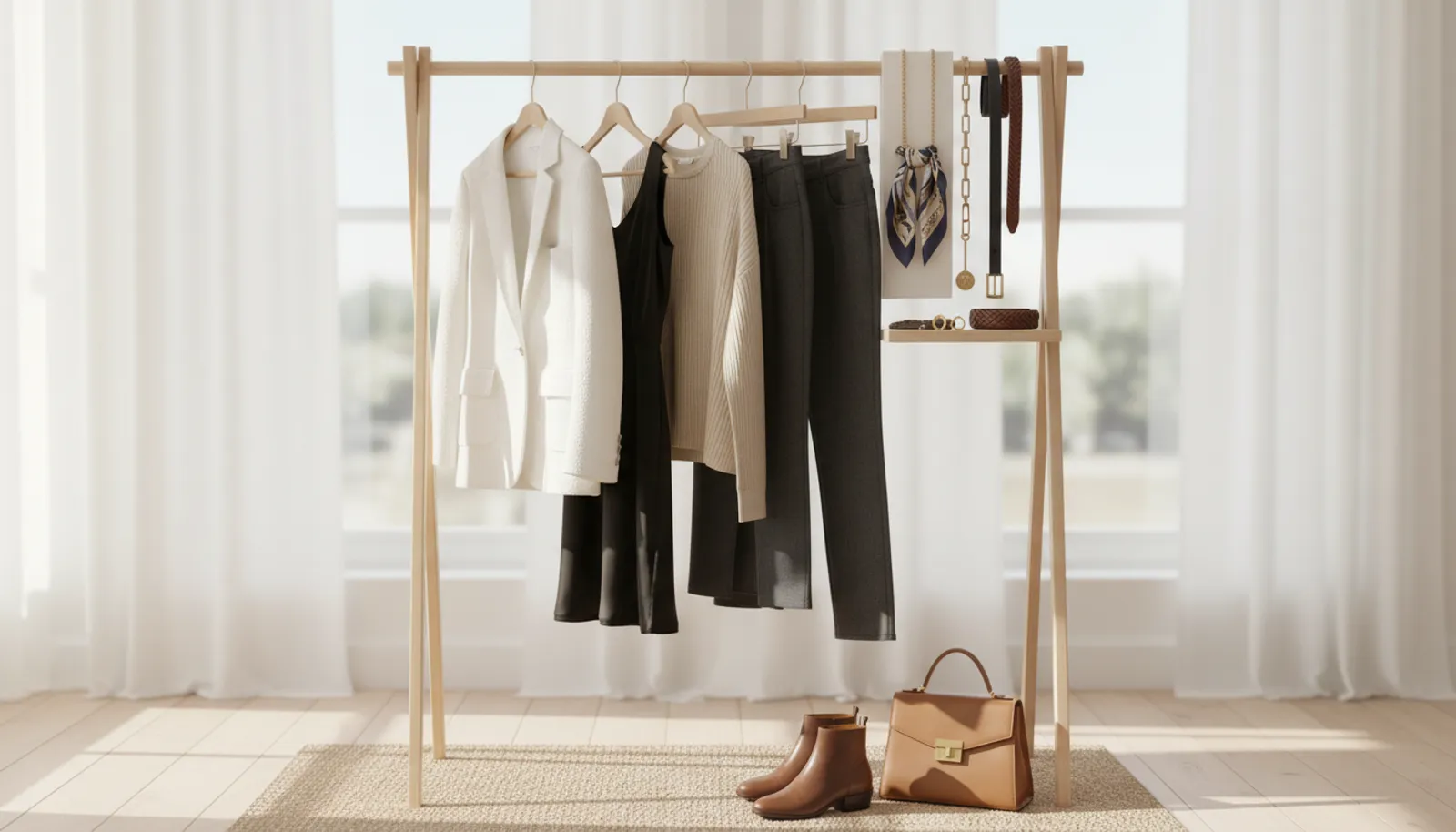

31 min read
Surprisingly, most people wear only about 20% of their closet 80% of the time a pattern that makes a capsule wardrobe both practical and powerful. A curated set of capsule wardrobe essentials can cut decision fatigue, save money, and make every morning easier.
This minimalist wardrobe guide starts with a simple, three-step approach: edit what you already love, choose versatile staples, and create reliable outfits. Begin by pulling pieces you wear most, then refine around a neutral palette and one or two accent colors you actually wear.
Think of your first capsule as a draft you adjust over time. Use a checklist to spot gaps and aim for a focused set of items commonly 3050 pieces depending on lifestyle and season. Practical steps, real examples, and a printable checklist are included to help you learn how to build capsule wardrobe that fits your life, not a trend.
Key Takeaways
- A capsule focuses on versatile, timeless pieces you already wear most.
- Follow the edit, choose, create outfits process to build your capsule.
- Start with a neutral base and add one or two accent colors for personality.
- Common capsule size ranges from 3050 items, adjusted for season and lifestyle.
- Use a printable checklist and refine your capsule as you observe what you actually wear.
- For a practical how-to, see the step-by-step guide at modernminimalism.com.
What a Capsule Wardrobe Is and Why It Works
A capsule wardrobe is a small collection of thoughtfully chosen pieces that mix and match to form many outfits. The core concept focuses on versatility, quality, and items you love to wear. This approach simplifies daily dressing and makes wardrobe decisions quick and predictable.
Definition and core concept
The idea centers on a limited set of interchangeable garments: reliable tops, bottoms, outer layers, shoes, and a few key accessories. Picking classic shapes and neutral tones gives you more outfit options from fewer pieces. Use capsule wardrobe tips like pairing basics and choosing durable fabrics to stretch each items usefulness.
Brief history and origins
The concept traces back to Susie Faux, a London boutique owner in the 1970s who promoted curated closets for modern life. Donna Karan popularized the idea further in the 1980s with her Seven Easy Pieces collection, a ready-made formula for mixing separates. Those roots show how a small, strategic wardrobe can form a lasting personal style.
Everyday benefits: less decision fatigue, more time, sustainable choices
Practical advantages include fewer decisions each morning and less time spent shopping or organizing. Many people report outfits that once took minutes to plan become effortless with staple pieces. Learning how to build capsule wardrobe routines cuts clutter and saves money over time by guiding smarter purchases.
Environmental benefits follow from buying fewer, better-made items. Choosing higher-quality garments reduces waste from fast fashion and supports longer-lasting wardrobes. For actionable guidance on building modules and base essentials, see a detailed roadmap at capsule wardrobe essentials.
| Benefit | What to focus on | Practical tip |
|---|---|---|
| --- | --- | --- |
| Time saved | Mix-and-match basics | Create 710 reliable outfits and photograph them |
| Cost efficiency | Buy fewer, higher-quality pieces | Set a wishlist and shop thoughtfully on planned days |
| Reduced decision fatigue | Limit daily choices | Organize closet by modules: base + seasonal additions |
| Environmental impact | Prioritize durable materials | Support local boutiques and secondhand when possible |
| Travel ease | Curate compact, versatile pieces | Build modules that pack into carry-on luggage |
how to build capsule wardrobe
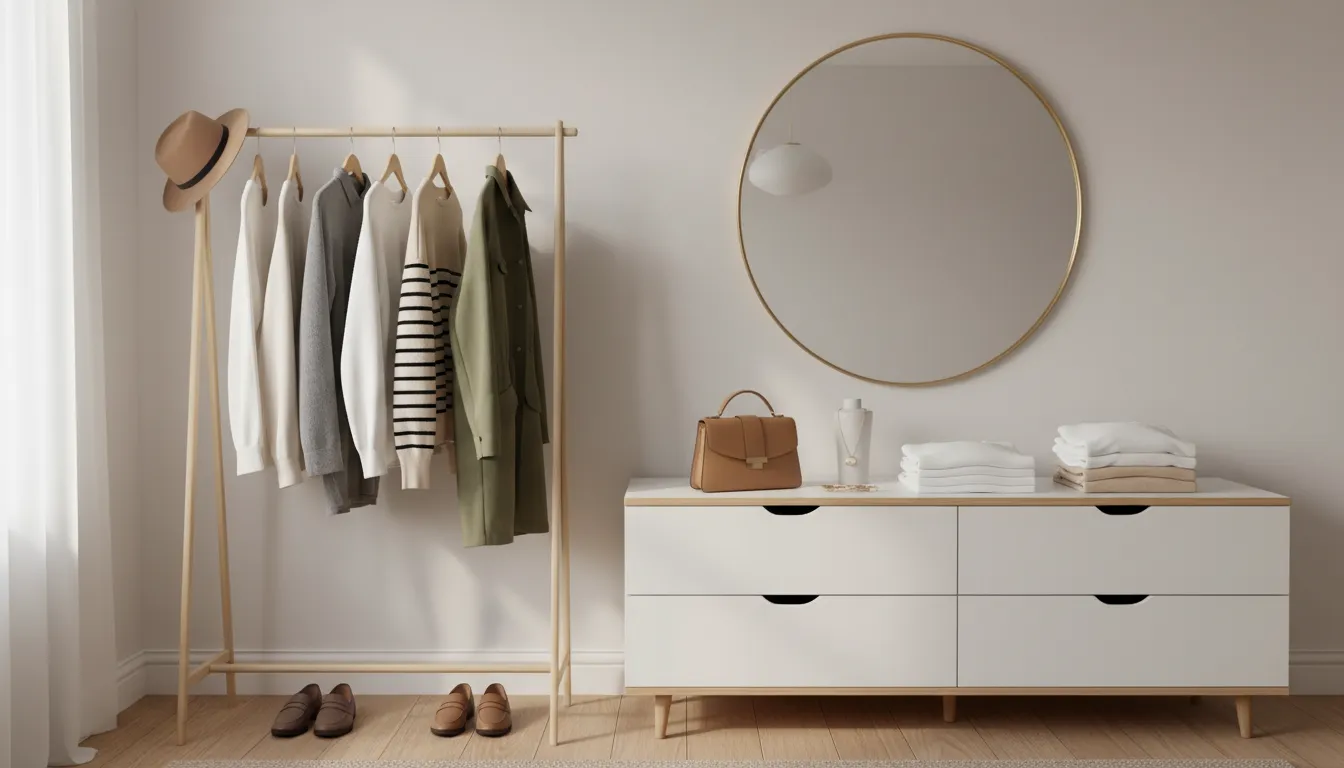
Start with a clear, three-step approach to make the process simple and sustainable. First, edit by pulling the pieces you wear most. Second, choose versatile staples that pair well across outfits. Third, create outfits and test combinations over several weeks to learn what stays and what goes.
Overview of the three-step approach: edit, choose, create outfits
Edit gently, not ruthlessly. Pull favorites from jeans, pants, skirts, tees, tops, sweaters, dresses, coats, bags, and shoes. Sort these into visible groups so decisions feel easier.
When you choose, pick MVP basics: tees, tanks, a white button-down, a good knit, tailored trousers, and white sneakers. Prioritize quality and mix of price points so you can balance investment pieces with affordable finds.
Create outfits by photographing combinations and keeping a simple folder on your phone. Try layering and accessories to multiply looks without adding bulk.
Why start with what you already wear
Beginning with familiar pieces reduces overwhelm and reflects how you actually live and dress. If your closet already contains reliable items, those become the backbone of a functional capsule.
Sorting what you own highlights gaps. Use that insight to buy intentionally and avoid impulse purchases that conflict with your base palette and lifestyle needs.
Using a draft-first mindset and letting the wardrobe evolve
Treat your first capsule as a draft you wear for a month or more. Track what you reach for and what stays unused. Adjust by removing items that underperform and adding one or two targeted pieces.
Let the capsule evolve with seasons and life changes. Rotate off-season garments and store them neatly to keep daily choices streamlined.
For a practical how-to that expands on these steps, visit how to build capsule wardrobe for further capsule wardrobe tips and a thoughtful minimalist wardrobe guide.
| Step | Action | Quick Tips |
|---|---|---|
| --- | --- | --- |
| Edit | Pull favorites and sort by category | Focus on fit, condition, and frequency of wear |
| Choose | Select versatile staples and mix price points | Prioritize tees, tanks, button-downs, knits, trousers, sneakers |
| Create Outfits | Photograph looks and test combinations | Use accessories to expand options and track what you wear |
| Evaluate | Wear the draft capsule for weeks | Remove underused pieces and add one targeted item at a time |
Start by picturing your week. Note how many casual days, meetings, and events you have. That view helps you decide what to keep and what to buy. This practical step answers questions about function, not fashion, and guides how to build capsule wardrobe choices that actually get worn.
Assessing your daily routine and dress code needs
List your daily activities: work, childcare, workouts, social life. Count laundry days and commute type. Frequent laundering can mean fewer items are fine. A desk job may need more polished pieces, while hands-on work benefits from durable basics.
Use a simple inventory to see what you reach for most. That inventory becomes a checklist of capsule wardrobe essentials and highlights true gaps.
Building for the season youre in and rotating off-season pieces
Design the capsule for current weather. Store out-of-season items out of sight so choices stay clear and dressing is easier. Rotate pieces at seasonal change to refresh outfits without adding clutter.
Pack like you would for a month away: include multipurpose items and limit one-off trend pieces. This seasonal practice is a reliable capsule wardrobe tip that saves time and space.
How to decide an appropriate capsule size (guidelines vs. rules)
No universal number fits everyone. Consider lifestyle, climate, and laundry rhythm. Typical ranges work well: 57 bottoms, 57 tees or tanks, 35 tops, 35 sweaters, 23 dresses if you wear them, 35 jackets, plus 45 shoes and 46 accessories.
Smaller methods like the 10-item or 333 approach can be inspiring if you want a stricter edit. Treat frameworks as starting points, not commandments. Your wardrobe may hover between 3050 core pieces or sit smaller for travel-focused systems.
| Factor | Consideration | Practical guideline |
|---|---|---|
| --- | --- | --- |
| Lifestyle | Workwear, activewear, social life | Match counts to routine; more workwear if office-heavy |
| Laundry | Frequency you wash clothing | Wash weekly: leaner capsule. Wash monthly: add extras |
| Climate | Seasonal extremes or mild weather | Extreme seasons: larger seasonal capsule. Mild: smaller rotation |
| Budget | New purchases vs. thrift finds | Prioritize capsule wardrobe essentials; thrift to experiment |
| Personal style | Desire for variety vs. uniform dressing | More variety needs higher counts; signature looks can be small |
Keep style rules flexible. Define a color palette and a handful of go-to silhouettes, then adjust purchases using capsule wardrobe tips that favor longevity and versatility. This steady approach makes dressing easier and keeps your closet aligned with daily life.
Color palette and cohesion for easy mixing
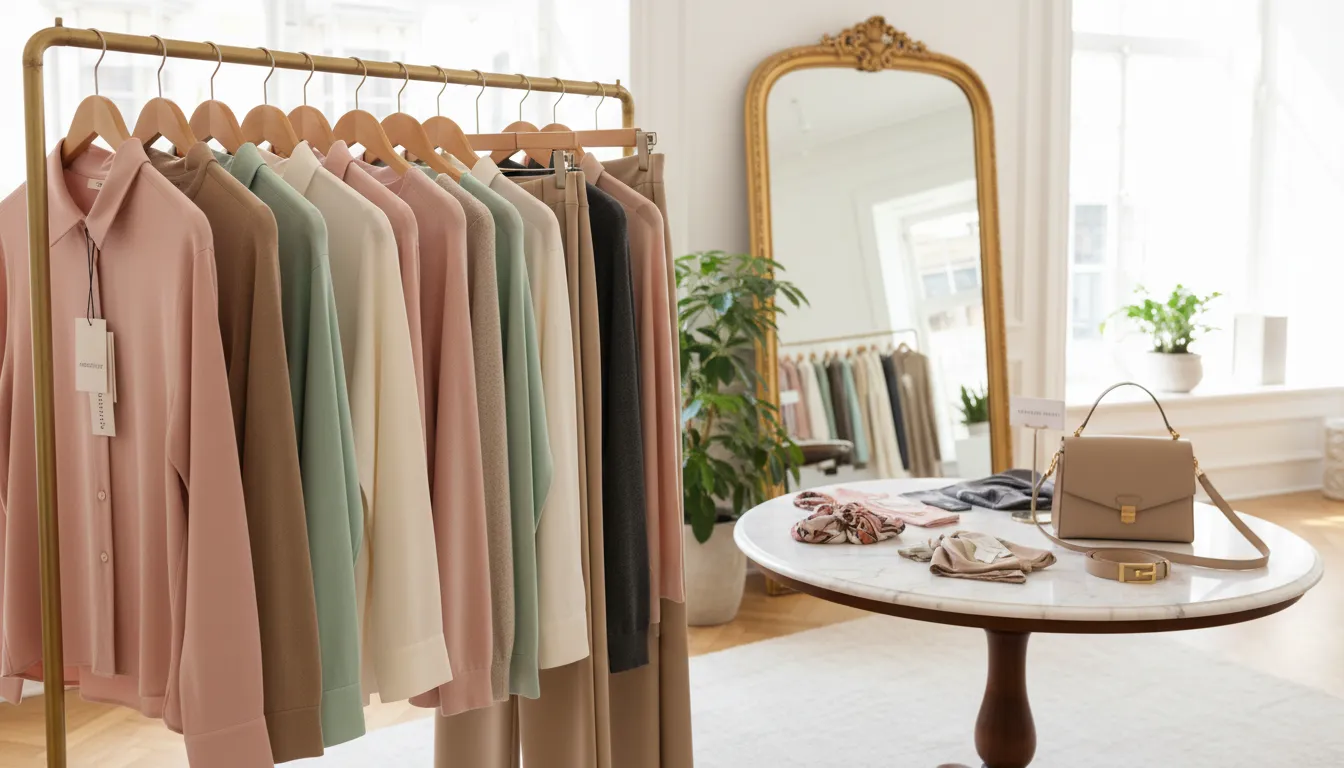
Start with a simple palette to make dressing fast and flexible. A mostly neutral baseblack, navy, gray, camel, taupe, cream, whitelets classic pieces like a white tee, straight-leg jeans, or a black blazer pair without fuss. This approach is a core part of how to build capsule wardrobe that truly works day to day.
Pick one or two accent colors that reflect your style. If you favor blue or green, choose shades you already wear often. Accent tones bring personality while keeping the whole closet cohesive. These capsule wardrobe tips help you keep outfits interesting without adding clutter.
A cohesive palette increases outfit options by making every top able to meet every bottom. Neutral foundations expand the usefulness of investment pieces such as leather totes, denim jackets, and quality shoes. The result is fewer choices and better combinations.
Below is a quick reference to balance neutrals and accents for common needs. Use it as a guide when editing and shopping in line with a minimalist wardrobe guide approach.
| Focus | Neutral Base | Accent Colors | Key Pieces to Pair |
|---|---|---|---|
| --- | --- | --- | --- |
| Workwear | Black, navy, white | Burgundy or forest green | Black blazer, white button-down, tailored trousers |
| Casual | Denim blue, gray, cream | Mustard or soft blue | Denim jacket, white tee, straight-leg jeans |
| Smart-casual | Camel, taupe, navy | Terra cotta or blush | Wool coat, knit sweater, tailored chinos |
| Minimal travel | Navy, gray, white | Olive or rust | Packable jacket, neutral tees, versatile sneakers |
Building a streamlined closet starts with clear categories. This minimalist wardrobe guide lays out practical groups and target counts so you can see what to keep, tailor, or buy next. Use these categories as a flexible map for daily life, climate, and chores like laundry.
Recommended category list
Focus on versatile groups that mix and match easily. These categories form the backbone of capsule wardrobe essentials and make it simple to plan outfits.
- Bottoms: jeans, trousers, skirts
- Everyday tees & tanks
- Tops & blouses
- Sweaters & layering knits
- Dresses (if you wear them)
- Layers & outerwear
- Shoes
- Accessories
Example target counts and adaptation
Use target counts as starting points. Adjust counts based on how often you wash clothes, the weather where you live, and your routine.
| Category | Target Count | Why it helps |
|---|---|---|
| --- | --- | --- |
| Bottoms | 57 | Offers variety between jeans, trousers, and skirts for different occasions. |
| Everyday tees & tanks | 57 | Core layering pieces that support many outfits with minimal effort. |
| Tops & blouses | 35 | Dresses up looks for work or casual events without adding clutter. |
| Sweaters & layering knits | 35 | Key for warmth and texture; works across seasons with proper layering. |
| Dresses | 23 | Great for low-effort outfits if dresses suit your lifestyle. |
| Layers & outerwear | 35 | Covers casual and formal needs: denim jacket, blazer, coat, leather jacket. |
| Shoes | 45 | Sneakers, boots, flats, sandals, and one dressier shoe cover most needs. |
| Accessories | 46 | Bags, belts, and simple jewelry expand outfit options without bulk. |
Your life may call for extras. Add specialized items only when they serve real needs.
- Athleisure: for frequent workouts and comfort days.
- Workwear: extra blazers, tailored trousers, or silk blouses for office dress codes.
- Event pieces: a cocktail dress or formal shoes for weddings and parties.
Think of this minimalist wardrobe guide as a living plan. These capsule wardrobe essentials help you decide what stays and what goes while teaching you how to build capsule wardrobe choices that last.
Curating capsule wardrobe essentials: key pieces that work for everyone
Start with a shortlist of reliable pieces that form the backbone of daily dressing. These capsule wardrobe essentials make mixing and matching simple. They help you learn how to build capsule wardrobe in a way that saves time and reduces closet clutter.
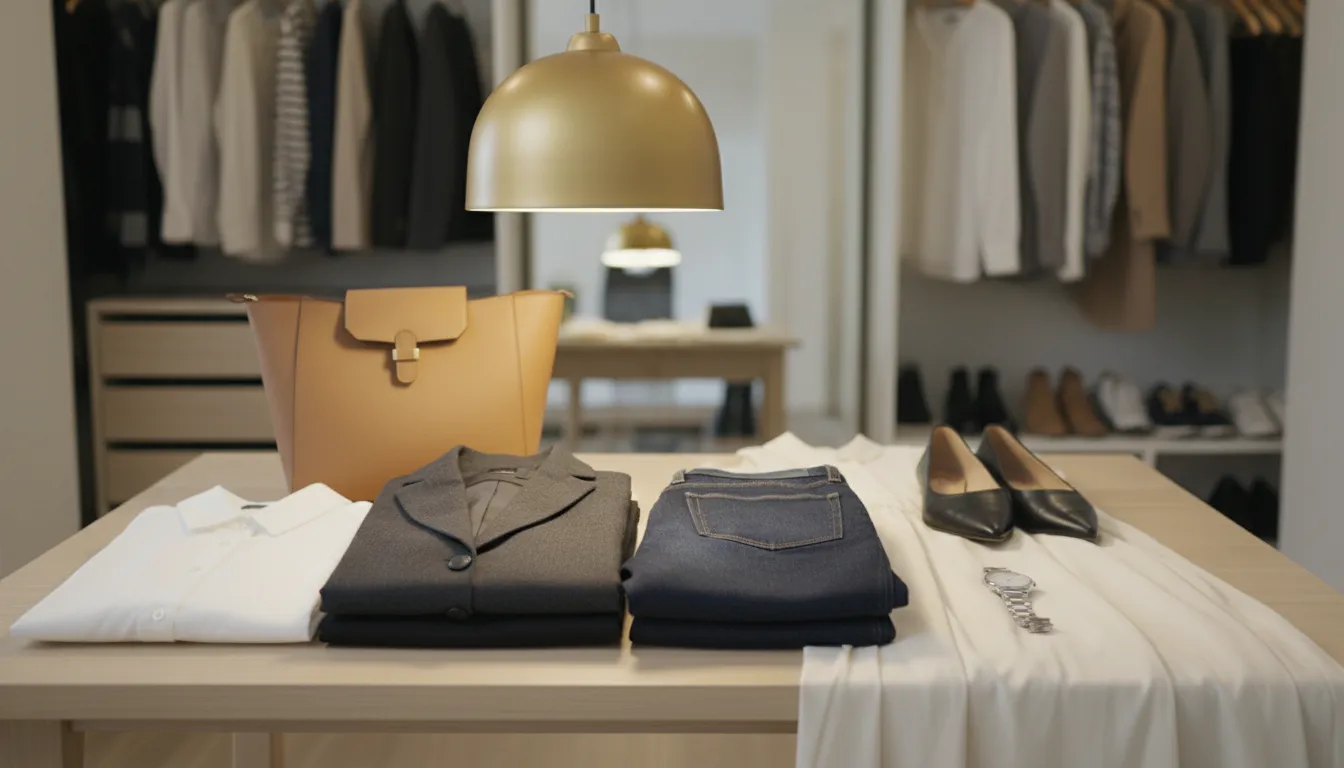
The crisp white button-down and why its indispensable
A well-cut white button-down in cotton poplin or linen works for office meetings and weekend coffee. Brands like Frank & Eileen and Everlane offer styles that hold shape and wash well. Treat this shirt as a layering anchor for tailored trousers or jeans.
The perfect white tee and basic tanks as daily foundations
A clean white tee and simple tanks serve as the easiest outfit starters. Look to Uniqlo, Leset, or Quince for soft, long-lasting options. These pieces pair with blazers, cardigans, or denim and provide flexibility when learning how to build capsule wardrobe.
Blue and black jeans, straight-leg and tailored trousers
Keep one pair of straight-leg blue jeans and one pair of black tailored trousers. Levis, Frame, and Agolde make dependable denim. For trousers, Reformation and SLVRLAKE offer modern cuts that translate across settings. These bottoms are essential to many capsule wardrobe tips focused on versatility.
Classic knits, cardigans, and layering sweaters
Select a neutral crewneck and a soft cardigan in merino, wool, or cashmere. Brands such as Jenni Kayne, Quince, and Everlane provide knitwear that lasts. Layering pieces add warmth and polish without creating visual clutter.
When you buy thoughtfully and stick to these capsule wardrobe essentials, outfits form quickly. Use capsule wardrobe tips to prioritize fit, fabric, and adaptability over trends. This approach turns a small set of items into many outfit possibilities.
Choosing quality over quantity: fabrics, fit, and longevity
Building a reliable wardrobe starts with selecting fabrics that last and look better with time. Think cotton poplin for shirts, linen for warm months, sturdy wool for blazers and coats, cashmere for soft knits, and quality denim for everyday bottoms. These choices form the backbone of how to build capsule wardrobe that stays neat, wearable, and low-maintenance.
Materials to prioritize
Prioritize natural fibers that breathe and age well. Cotton poplin resists pilling and keeps shape. Linen softens while staying cool. Wool holds structure and insulates. Cashmere rewards gentle care with lasting softness. Durable denim is essential for daily wear.
How to evaluate fit and tailoring tips
Fit matters more than label prestige. Look for shoulders that sit right, sleeves that end near the wrist bone, and hems that flatter your proportions. If a piece fits well in key areas but needs minor adjustments, tailoring is usually worth the cost. Simple alterations like hemming trousers, adjusting sleeve length, or nipping in a waist can elevate mid-range items into capsule wardrobe essentials.
Investment pieces versus budget-friendly options
Balance splurges with smart, affordable buys. Invest in a tailored coat, a leather tote, and a classic blazer that youll wear for years. Save on basics like plain tees, tanks, and casual loungewear from reliable labels such as Uniqlo, Everlane, and Madewell. This mix keeps your minimalist wardrobe guide practical and wearable without overspending.
When choosing between price points, test for comfort, construction, and care needs. If a piece looks pristine after a few wears and cleans, it earns a permanent place. Use intentional edits and a clear checklist to guide purchases so your capsule grows around function, not clutter.
Practical closet edit: how to sort and gently declutter
Start by pulling the pieces you love and wear most. Set these favorites aside as the backbone of your capsule. Notice the colors, cuts, and fabrics you return to. This step helps show which items should stay when you learn how to build capsule wardrobe thoughtfully.
After you set favorites aside, sort the rest into clear categories. Make piles for jeans, trousers, skirts, shorts, tees, blouses, sweaters, dresses, coats, bags, and shoes. Treat this as an observation exercise. Visibility makes gaps and excess obvious and supports capsule wardrobe tips that focus on rotation and clarity.
Use simple declutter rules to decide what leaves. Ask three questions: Does it fit comfortably? Do I feel good wearing it? How often do I reach for it? Remove items that fail these checks. Move off-season pieces to storage so your daily choices stay simple.
When evaluating remaining items, prioritize quality and versatility. Keep pieces that pair with many others and suit multiple occasions. This filter aligns with a minimalist wardrobe guide approach: fewer, well-loved items that cover most needs.
End with a quick tally. Count what remains in each category. Spot where your capsule lacks basics or where duplicates pile up. Use the results to plan targeted purchases or swaps instead of impulse buys. These focused steps make decluttering manageable and sustainable.
Filling gaps intentionally: what to buy and when
Start by printing a checklist and working one category at a time. Ask: will I realistically wear this soon, can it be styled multiple ways, does it serve a different purpose than what I already own? This habit turns guesswork into clear action when you learn how to build capsule wardrobe pieces that actually get worn.
Use suggested category counts as a guide, not a rule. Compare your closet to the checklist and mark missing items. That lets you spot which capsule wardrobe essentials are absent and prevents buying duplicates out of uncertainty.
How to identify missing essentials
- Count basics: tees, shirts, sweaters, bottoms, outerwear, shoes, accessories.
- Note function: work, casual, active, special events.
- Mark gaps where an item would create at least three new outfits.
Buying intentionally: what to favor
Choose versatile, timeless, multi-use pieces first. A white tee, quality tanks, crewneck sweater, straight-leg jeans, white sneakers and a leather tote cover many looks. Balance splurges on durable items like a leather jacket with affordable options for seasonals.
When to add trend items
- Limit trend buys to one or two pieces per season that complement your palette.
- Wait 48 hours before purchasing to curb impulse buys and compare options.
- Prefer secondhand for high-value trendsdesigner boots or jackets often last longer and cost less.
Below is a quick reference to guide purchases by priority, cost, and impact. Use it with your printable checklist to plan what to buy next and when to skip a sale.
| Priority | Example Item | Why it matters | Buy new or secondhand | Target count range |
|---|---|---|---|---|
| --- | --- | --- | --- | --- |
| High | White tee | Foundation for many outfits; pairs with jeans and skirts | New or secondhand | 24 |
| High | Straight-leg jeans | Timeless silhouette that works casual to smart | New or secondhand | 12 |
| Medium | Crewneck sweater | Layering piece for warmth and polish | New for fit; secondhand for quality | 13 |
| Medium | White button-down | Versatile for work and weekend styling | New or secondhand (try J.Crew or Everlane) | 12 |
| Medium | White sneakers | Comfortable neutral shoe that broadens outfit options | New for hygiene and fit | 1 |
| Low | Trend jacket | Seasonal flair; not required for daily wear | Secondhand recommended | 01 |
| High | Leather tote | Functional, elevates outfits, lasts years | New for condition; secondhand for price | 1 |
Start by picking one reliable piece and build outward. Favorite jeans, a tailored skirt, or a classic blazer can become the anchor for many looks. This practice makes mornings faster and gives confidence when you need to look put together quickly.
How to create 710 everyday outfits from your capsule
Choose a base item, such as blue jeans or a midi skirt, and pair it with different tops to create variety. Swap shoes and outerwear to change the mood. Aim for seven to ten distinct combinations that cover work, errands, and casual plans.
Start with five bottoms and eight tops. Mix and match to reach ten outfits. Take photos of each finished look so you can recreate them without thinking.
Styling tips: proportions, rule of thirds, layering
Pay attention to proportions. Pair wide-leg trousers with a slim top. Tuck a shirt into high-waisted pants to create a balanced silhouette. The rule of thirdsbreaking your outfit into three visual sectionshelps garments read as intentional.
Layer to add depth. A crewneck sweater over a collared shirt or a trench over a white tee changes the tone. Small tweaksbelt placement, half-tucks, cuffed sleevesstretch the life of each piece.
Saving outfit ideas: use photos and a capsule outfit folder
Use your phone to photograph every outfit you love. Store images in a dedicated folder labeled for quick access before busy mornings. That visual archive becomes a practical part of any minimalist wardrobe guide.
Treat outfit photos as a checklist when shopping. If you lack a blazer or ankle boots in your pictures, note those gaps. This method supports how to build capsule wardrobe plans with fewer impulse buys and smarter additions.
Simple combinations to try: white button-down + blue jeans + blazer, crewneck sweater + midi skirt + loafers, white tee + trench coat + sneakers. Mix price points; a Zara tee can pair well with an Everlane blazer to keep looks polished and affordable.
Use these capsule wardrobe tips to make outfit-building habitual. With practice, assembling seven to ten reliable looks from a small set of pieces becomes effortless and enjoyable.
Shoes and accessories: small selection, big impact
A focused shoe and accessory list lifts a small wardrobe into dozens of looks. Pick pieces that match your daily life, colors, and climate so each item pulls double duty. These capsule wardrobe essentials keep outfits fresh without adding clutter.
Start with a short shoe roster. Aim for four to five pairs that cover casual, polished, and seasonal needs. Neutral sneakers, a pair of ankle or Chelsea boots, pointed flats or low heels, and sandals form a versatile base. If you wear taller boots, add one knee-high option for cold months.
Choose accessories that elevate basics. A leather belt, a roomy tote, and a crossbody that doubles as a clutch are high-return items. Simple jewelrylike a thin gold chain, hoop earrings, and a classic watchadds polish without clutter. Brands such as Madewell, Quince, Cuyana, and Rothys offer pieces that hold up to daily wear.
Use these capsule wardrobe tips when shopping. Favor neutral tones for shoes and bags so they mix easily. Pick one statement accessory, such as a chunky gold necklace, to change the vibe of a plain outfit. Focus on quality where you notice wear first: shoes, bag straps, and belt holes.
Plan how each item pairs with others. A white sneaker works with jeans, dresses, and tailored trousers. A leather tote holds work essentials and a gym layer. A belt can refine silhouette and add contrast to monochrome looks. This thinking shows how to build capsule wardrobe options that feel abundant while staying small.
Keep a simple checklist to track gaps. Photograph outfits that use different shoes and accessories so you can reuse combinations. Rotate pieces seasonally and replace items intentionally when they show wear. These capsule wardrobe tips help you gain maximum variety from minimal pieces.
Maintaining and evolving your capsule wardrobe
Living with your capsule for a trial period gives you clear feedback. Wear the pieces day to day for at least three weeks. Note which items you reach for, which you avoid, and what gaps appear.
Give your capsule a trial period and note whats missing
Keep a simple list of outfits you repeat and the items you borrow from outside the capsule. If a handbag, sweater, or pair of shoes gets frequent pulls, reintroduce that piece intentionally. Use those notes to refine your approach to how to build capsule wardrobe with fewer mistakes.
Rotate seasonally and store off-season pieces out of sight
Store off-season clothing in labeled bins or vacuum bags to keep the active wardrobe focused and manageable. Rotate pieces back in when temperatures change, checking fabrics and fit before they return. This habit helps the minimalist wardrobe guide stay practical and tidy.
How to reintroduce or remove items intentionally over time
Observe wear patterns and decide with purpose. Remove items that no longer fit your routine and donate or sell them through reputable platforms like ThredUp or Poshmark. Add thoughtful replacements such as a new knit, coat, or shoes, prioritizing secondhand investment pieces for sustainability and cost savings.
Small alterations and proper care extend the life of favorites. Tailoring hems or sleeve lengths creates a more polished look. Use suitable detergents for delicate fabrics and rotate garments to reduce wear. These capsule wardrobe tips protect value and maintain versatility.
A capsule wardrobe evolves with life changes and seasons. Let it breathe instead of forcing permanence. Periodic edits keep the collection personal, practical, and joyful. For deeper guidance on crafting a capsule that feels special, consult this practical resource: building a capsule wardrobe that feels.
Checklist and tools to simplify the process
Start with a short, printable checklist to track what you own, spot gaps, and make choices fast. Use the checklist to follow the three-step method: edit, choose, create outfits. That simple structure keeps decisions focused and finishes the task in about two hours when paired with a friend or a timer.
Printable checklist and how to use it
Print a one-page checklist that lists capsule wardrobe essentials by category: tops, bottoms, outerwear, shoes, and accessories. Walk through each item, mark what you own, and note quantities. Use the list to prioritize gaps before shopping so purchases are intentional and useful.
Keep a free fillable template on your device to update counts and review seasonally. The checklist supports capsule wardrobe tips like the one-in, one-out rule and a quick review every three months.
Phone photos, spreadsheets, and outfit folders
Take phone photos of complete outfits and save them in an Outfit album for grab-and-go mornings. Photograph single pieces on a neutral background to remember colors and fits when shopping.
Create a simple spreadsheet with life categories across the top and clothing types down the side. Fill in numbers to calculate totals. A free clothes calculator can speed this step and show whether your capsule size matches laundry frequency and lifestyle.
Sustainable shopping and secondhand strategies
Mix price ranges when you buy. Reserve budget for a few investment pieces and seek them secondhand. Look for pre-owned leather jackets, boots, and bags from brands like Cuyana, Everlane, Frame, and The Row to get high quality at lower cost.
Compare retailer offerings such as Uniqlo, Toteme, Agolde, and Khaite to find durable, versatile options that fit your palette. Prioritize longevity over trends so each new addition strengthens outfit combinations.
| Tool | What it does | How it helps |
|---|---|---|
| --- | --- | --- |
| Printable checklist | Lists items and target counts by category | Makes gaps visible and guides intentional buys |
| Phone outfit gallery | Saved photos of complete looks and single pieces | Speeds daily dressing and prevents duplicate purchases |
| Wardrobe spreadsheet | Tracks categories, counts, and rotation schedule | Helps decide capsule size based on laundry and life |
| Free clothes calculator | Computes how many items you need per category | Removes guesswork when planning a capsule |
| Secondhand platforms | Source for designer and long-lasting pieces | Reduces cost and environmental impact |
| Fillable capsule template | Editable digital list to update seasonally | Saves time and keeps your plan current |
Conclusion
Building a capsule wardrobe works best when you begin with the clothes you already reach for. Use a draft-first mindset and the printable checklist to sort what truly serves your life. This approach keeps the process practical and prevents impulse buys while you learn how to build capsule wardrobe that fits your routine.
Focus on quality over quantity: a few well-made pieces turn dressing into a pleasure. The minimalist wardrobe guide encourages investing in reliable basics like a white tee, crisp shirt, straight-leg jeans, and classic knits, then balancing splurges with budget-friendly staples. These capsule wardrobe essentials act as MVPs that make outfits simple and durable.
Rotate seasonally, store off-season items, and let the collection evolve rather than forcing perfection at once. With intentional shopping, mindful color choices, and the habit of testing combinations, your wardrobe will streamline mornings and boost wearability. Small, steady edits lead to a closet that supports your life instead of restricting it.
FAQ
What is a capsule wardrobe and why does it work?
A capsule wardrobe is a small, thoughtfully chosen collection of versatile staples that mix-and-match to create many outfits. It works by prioritizing high-rotation pieces you actually wear, reducing decision fatigue, saving time, cutting costs, and lowering environmental impact. The goal is enough flexible, timeless items to cover your real life without excess.
Where did the capsule wardrobe idea come from?
The concept traces back to Susie Faux, a London boutique owner in the 1970s, and was popularized by Donna Karans Seven Easy Pieces in the 1980s. Both emphasized simple, interchangeable pieces as the foundation of a personal style.
What is the simplest way to build a capsule wardrobe?
Use the three-step process: edit, choose, create outfits. First, edit by pulling out what you already love. Second, choose versatile staples that pair well together. Third, create and test outfits to refine the set. Start with pieces you already wear to reduce overwhelm and ensure the capsule reflects your real style.
Why should I start with clothes I already own?
Starting from what you already wear reveals your true preferencescolors, fits, and silhouettesso the capsule feels authentic and wearable. It also prevents unnecessary purchases and helps you spot genuine gaps to fill intentionally.
How do I choose a realistic capsule size for my lifestyle?
Theres no perfect number. Use guidelines: common category ranges (57 bottoms, 57 tees/tanks, 35 tops, 35 sweaters, 23 dresses, 35 jackets, 45 shoes, 46 accessories) or broader systems like 3050 items, a 10item capsule, or the 333 method. Tailor counts to climate, laundry frequency, work dress code, and personal preferencetreat frameworks as inspiration, not rules.
Should my capsule be mostly neutrals?
Yesstarting with a mostly neutral palette (black, navy, gray, camel, taupe, cream, white) maximizes mix-and-match options. If you love color, pick one or two accent hues you already wear often to keep cohesion and personality without sacrificing versatility.
What are the essential categories every minimalist wardrobe should include?
Core categories are bottoms, tees & tanks, tops & blouses, sweaters & layering knits, dresses (if you wear them), outerwear, shoes, and accessories. Optional categories can include athleisure, special-event pieces, or workwear depending on your needs.
Which specific pieces are considered capsule wardrobe essentials?
Timeless essentials include a crisp white button-down, a go-with-anything white tee, quality tanks, straight-leg blue jeans, black jeans or tailored trousers, classic knits and cardigans, a simple black dress (if you wear dresses), and versatile outer layers like a trench or tailored coat.
How do I balance investment pieces with budget finds?
Prioritize durable, high-wear items for investmentleather tote, tailored coat, quality blazer, knitwearwhile filling basics with affordable options like Uniqlo tees or mid-range denim from Levis or Madewell. Secondhand and resale markets are great for designer leather goods or boots to balance cost and quality.
What materials should I favor for longevity?
Choose fabrics that age well: cotton poplin for shirts, quality denim, wool and cashmere for knitwear, and linen for warm-weather staples. Favor pieces with good construction that hold shape and can be tailored for a better fit.
How do I gently declutter without purging too much?
Start by pulling out pieces you love and wear most. Then sort remaining items into clear categories for visibility. Apply simple rules: remove items that dont fit, arent comfortable, or you rarely reach for. Store off-season items out of sight to reduce clutter and make decisions easier.
How can I identify missing essentials before I shop?
Use a printable checklist or a simple spreadsheet to track what you own by category and count. Ask: will I realistically wear this soon, can it be styled multiple ways, does it add something different? Photograph outfits you love to spot gaps visually.
How many shoes and accessories do I need in a capsule?
Aim for a small, versatile shoe collection: white sneakers, ankle or mid-calf boots, a pair of flats or low heels, and neutral sandals. For accessories, 46 piecesa belt, leather tote, crossbody, and simple jewelrygo a long way to vary looks without extra clothes.
How do I create everyday outfits from a capsule?
Start with one reliable piecefavorite jeans or a trusted sweaterand build 710 go-to outfits around it. Use styling rules like proportions (pair wide trousers with slimmer tops) and the rule of thirds. Layering, tucks, belts, and shoes change the mood of the same pieces for variety.
What tools help maintain a capsule wardrobe?
Keep a printable capsule checklist, an outfit photo folder on your phone, and a simple wardrobe spreadsheet. These tools help you track pieces, remember combinations, and identify what to replace or add next.
How long should I live with my capsule before changing it?
Wear your capsule for a few weeks to collect real feedback. Note items you miss or repeatedly reach for outside the set. Adjust by reintroducing pieces intentionally or swapping in new items. Treat the first capsule as a draft that evolves with your life.
Can I include trend items in a capsule?
Yes, but treat trends as occasional additions. Limit impulse buys by waiting, comparing options, and ensuring any trend piece works with your palette and existing staples. Reserve most of your budget for timeless, multi-use pieces.
How do season changes affect my capsule?
Build your capsule for the current season and store off-season clothing out of sight. Rotate thoughtfully when the weather shifts, swapping in seasonal knits, coats, or sandals and reassessing counts to keep the active capsule focused and manageable.
Where should I look for capsule wardrobe inspiration and actual items?
Use real-item examples across price ranges from brands like Everlane, Uniqlo, Madewell, Quince, Frame, Agolde, Szane, and Cuyana. Check resale platforms for investment pieces from The Row, Cuyana, Khaite, or Loewe. Mix price points and prioritize timeless silhouettes.
How does a cohesive color palette increase outfit options?
A cohesive neutral base makes each item interchangeable, multiplying outfit combinations. Adding one or two accent colors you already wear preserves personality while keeping combinations simple and reliable.
What final mindset should I have when building a capsule?
Treat your capsule as a supportive foundation for your life, not a restriction. Start with what you already wear, be gentle when editing, try a draft-first approach, and let the wardrobe evolve. The aim is fewer, better pieces that make daily dressing easier and more enjoyable.