
The Definitive Guide to Minimalism in Fashion
Embrace simplicity with our definitive guide to minimalism, your pathway to stylish, sustainable fashion choices. Transform your wardrobe today!

31 min read
Surprising but true: most people wear just 20% of their clothes on repeat, which helps explain why decision fatigue leaves so many standing in front of a closet full of “nothing to wear.” This definitive guide to minimalism looks beyond numbers and trend cycles to show how a minimal wardrobe can free time, money, and mental energy.
Minimalist fashion is both an aesthetic and a mindset. It asks you to choose pieces for fit, fabric, and function rather than impulse, and to build a collection that feels effortless and lived-in. Think crisp blazers, a white tee, well-cut jeans, and a few elevated accessories that carry outfits across seasons.
This guide combines practical minimalist fashion tips with methods for decluttering, a capsule wardrobe guide, and sustainable fashion choices so readers in the United States can craft a closet that lasts. For roots and modern takes on simplicity, see perspectives collected in outlets like Vogue’s minimalist fashion tips, which trace the movement from Coco Chanel’s little black dress to today’s quiet luxury labels.
Key Takeaways
- Minimalism is a practice and a philosophy—intent matters more than an item count.
- Focus on timeless foundations: white shirt, blazer, quality jeans, neutral knits.
- Use disciplined shopping rules and repair habits to prioritize longevity and sustainability.
- Accessories and fit create personality in a restrained palette.
- Whether you choose a capsule wardrobe or a year-round minimal wardrobe, wear-rate matters more than total pieces.
What is Minimalism in Fashion: Mindset vs. Aesthetic
Minimalism in fashion splits into two clear ideas: a minimal approach and a minimalist aesthetic. The first is an attitude about choosing clothing that suits your life and values. The second shows up in garments through clean lines, measured proportions, and thoughtful textures.
Defining the minimal approach
A minimal approach centers on intention. You focus on pieces that you wear often, that fit well, and that make dressing simple. This mindset rejects trend-chasing and arbitrary item counts. It asks: does this garment earn space in my closet because it supports my routine and brings confidence?
Minimalist aesthetic explained (tones, silhouettes, textures)
The minimalist aesthetic favors neutral palettes like black, navy, gray, brown, and ivory. Silhouettes stay clean and uncluttered. Texture and proportion become key tools for interest. A turtleneck and tailored trousers can read elegant or bland depending on cut and balance. Creative director Ali Pew speaks to intentional ease as a marker of refined simplicity.
Why intent matters more than item counts
Counting items can mislead. Two closets with the same number of garments can feel very different. Intent creates a cohesive wardrobe through repeatable accessories, signature colors, and reliable outfit formulas. Tools like color analysis and fit systems such as Kibbe help make minimalism personal rather than purely monochrome or uniform.
| Aspect | Minimal Approach | Minimalist Aesthetic |
|---|---|---|
| Primary focus | Lifestyle fit and intentionality | Visual cues: tones, lines, textures |
| Decision rule | Keep what you love and use | Choose pieces with clean silhouette and balanced proportion |
| Color | Can include curated accents | Neutrals like black, navy, gray, brown, ivory |
| Variety | Signature repeats and purposeful edits | Limited visual complexity, emphasis on texture |
| Outcome | Effortless daily dressing and fewer regrets | Polished, calm visual identity |
History and Evolution of Minimalist Fashion
The history of minimalist fashion traces back to early 20th century design, when architects and artists stripped forms down to essentials. This approach moved into clothing as makers sought clean lines and purposeful shapes over ornament. A key moment was the rise of practical, understated garments that freed movement and emphasized composition.
Origins in early 20th century design and Coco Chanel
Designers reacted against heavy Victorian layering by favoring simplicity. Coco Chanel broke with corsetry and ornament in the 1920s, popularizing the little black dress and relaxed silhouettes. That shift helped lay the groundwork for a wearable aesthetic where form and function mattered most.
Key designers and brands that shaped the aesthetic
Postwar minimalism found champions across decades. Jil Sander is known for precise tailoring and quiet luxury. Calvin Klein distilled American minimalism into clean staples. The Row brought refined craftsmanship and neutral palettes to modern wardrobes. Phoebe Philo Celine redefined restraint with thoughtful proportions and subtle details. Each influence built on earlier ideas and pushed minimalism into mainstream fashion conversation.
How minimalism evolved into a lifestyle and movement
Minimalist style shifted from a look to a wider way of living as cultural values changed. Many people moved from excess toward mindful consumption, seeking durable pieces with long wear. The movement picked up language from minimalist art and design, favoring whole compositions over decoration and calling attention to longevity and sustainability.
Benefits of a Minimal Wardrobe for Everyday Life
A smaller, well-chosen closet does more than look neat. The benefits of minimal wardrobe show up in daily routines, saving time and clearing mental space so outfits feel effortless.
Reduced decision fatigue and the paradox of choice
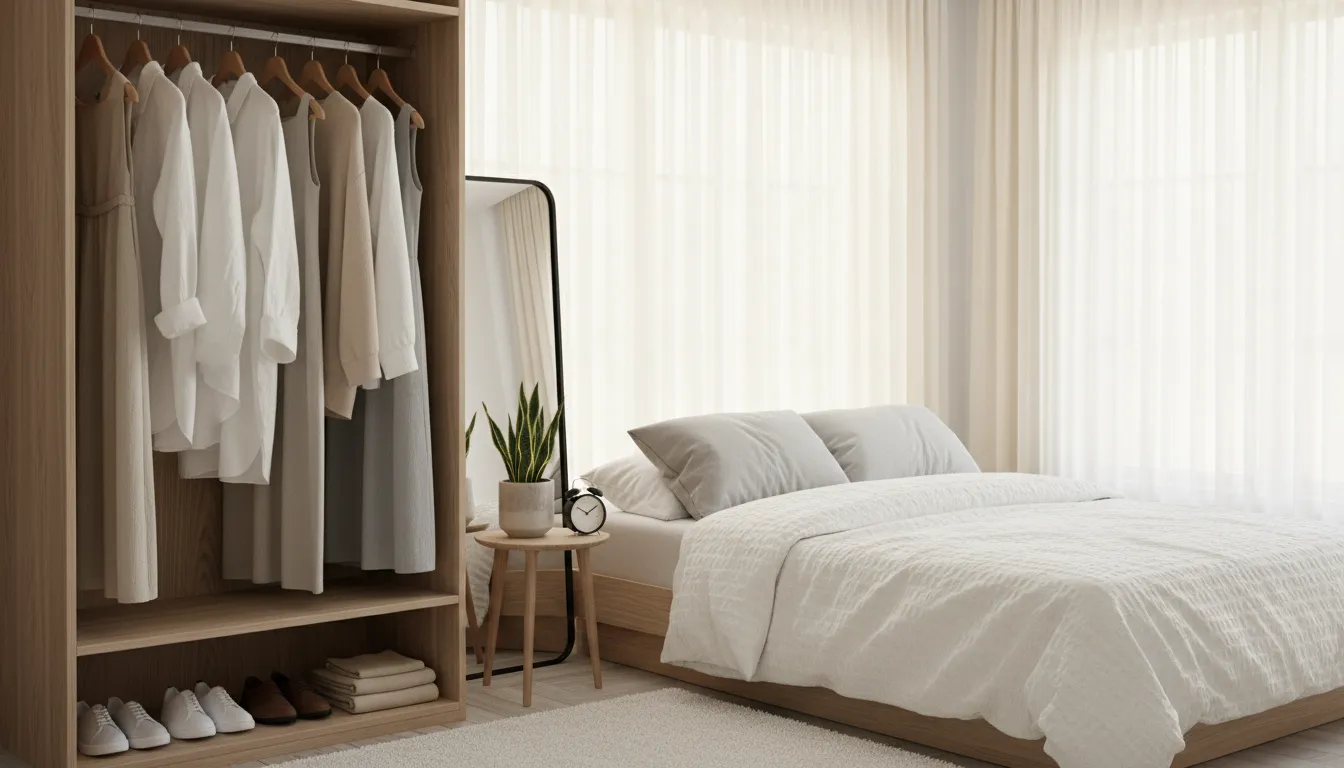
Most people wear about 20% of their clothes regularly. That gap creates decision fatigue when too many options compete each morning. A compact edit of reliable pieces trims choices and speeds getting dressed.
The result is steadier confidence in outfit choices. With fewer items that you truly like, dressing becomes predictable and calm rather than a stressor.
Financial and time savings
Investing in timeless staples like a white button-down or a cashmere sweater reduces shopping frequency. These foundations pair easily and cut down on returns and impulse buys.
When shopping shifts from quantity to quality, you spend less time browsing and more time wearing clothes that last. That saves money across seasons and frees up weekends for other priorities.
Environmental and sustainable fashion choices
Fast fashion floods landfills and consumes water and energy. Choosing durable, well-made items lowers that footprint by keeping garments in use longer.
Donating locally or repairing worn pieces reduces waste and prevents clothes from being incinerated. For a practical primer on building a lasting capsule, see this guide: how to build a capsule wardrobe.
| Benefit | What it fixes | Practical tip |
|---|---|---|
| Reduced decision fatigue | Morning indecision and outfit stress | Create 5 outfit formulas you can rotate each week |
| Time savings | Hours spent shopping and organizing | Set a seasonal edit day and donate items you haven’t worn |
| Save money | Impulse buys and frequent replacements | Prioritize quality fabrics and classic cuts |
| Environmental impact | Textile waste and overproduction | Repair, resell, or donate before discarding |
| Higher-quality clothing | Poor fit and short-lived garments | Invest in trusted brands like Everlane or Uniqlo for staples |
Decluttering Your Closet: A Practical Method
Pull everything out. Empty the closet and dressers so you can see every item at once. This full-wardrobe pull-out stops procrastination and gives a clear baseline for change.
The full-wardrobe pull-out and why it works
Lay garments, shoes, and accessories on a bed or floor. Seeing it all reveals patterns in fabrics, colors, and fits. A single session takes focus; plan 2–5 hours, bring water, and play two playlists to keep energy up.
How to sort into love, nope, maybe, and seasonal piles
Use four labeled piles: Love, Nope, Maybe, Seasonal. Place beloved, worn items in Love and never-worn or hated pieces in Nope. Put ambiguous items in Maybe for a second look. Box off-season clothing as Seasonal and store it out of sight.
During the second pass, ask two quick questions: Would I buy this today? Will I wear this in the next three to six months? If both answers are no, move the piece to Donate or Nope. Try on unsure garments and photograph outfits to decide calmly.
Deciding what to sell, donate, repair, or recycle
Analyze the Nope pile for sellable items. Good-condition pieces work well on ThredUp or local Facebook Marketplace listings. For charity, choose small local thrift shops or shelter drives to support community reuse.
Worn-out textiles deserve responsible disposal. Find textile recycling drop-offs or municipal programs to avoid landfill. Tailor or mend items in Maybe when cost and fit justify the fix.
After sorting, return Love items to the closet in an ordered way. Box the Maybe and Seasonal piles and set a three-month review date. That pause helps test the capsule wardrobe guide approach and reveals what you truly wear.
Track trends across piles. Note recurring cuts, colors, and fabrics to refine future purchases. For a clear how-to on this closet purge method, see a practical guide at Good Closet, which outlines the four-pile system and Project 333 linked options.
| Step | Action | Outcome |
|---|---|---|
| Round One | Empty closet and place everything on bed | Complete inventory and initial decisions |
| Round Two | Sort into Love, Maybe, Nope, Seasonal | Clear categories for keeping, fixing, selling, or storing |
| Decide | Try on maybes, photograph, mend if valuable | Confident choices; fewer impulse saves |
| Dispose | Sell good items, donate usable pieces, use textile recycling for worn items | Reduced waste; community benefit |
| Optional Bonus | Create a 33-item capsule from Love and vetted Maybe items | Simplified mornings and clearer style choices |
Start by collecting images that feel like you. A Pinterest style board or a saved folder on your phone helps you group outfits, textures, and color stories. Over time, patterns emerge and you can clearly define your style without second-guessing.
Using visual boards to identify patterns
Create a Pinterest style board with full outfits, close-ups of fabric, and editorial shots. Pin items you love, then review for repeats: favored silhouettes, recurring colors, and common fabrics. Those repeats reveal preferences you may not notice day to day.
Matching wardrobe foundations to lifestyle and activities
List daily activities and map them to wardrobe foundations. For office work, include a structured blazer and tailored trousers. For work-from-home days, thin knits and relaxed wide-leg trousers work better. Brands like Jenni Kayne and Everlane offer reliable examples of pieces that bridge both routines.
Experimentation to refine silhouettes, colors, and textures
Try small experiments with pinned looks before committing. Wear a new silhouette for a week or swap accent colors for a month. Use color analysis and body-type guidance to narrow choices that flatter skin tone and shape.
Keep shopping disciplined. Buy items that support your wardrobe foundations and complement the patterns on your board. Minimalist fashion tips that focus on cohesion reduce wasted purchases and make dressing quicker and more satisfying.
Track results in a simple list: what you wear most, what felt off, and what to try next. Repeat this cycle until your wardrobe reflects a cohesive, personal minimalism that supports real life.
Choosing a Color Palette and Wardrobe Foundations
Start by picking a clear approach. A color palette minimalist can follow a neutral-first route or a curated accent strategy. Neutrals make mixing easy; accents add personality without excess. Think of this step as the map that keeps your closet coherent and useful.
Neutral-first palettes versus curated accent palettes
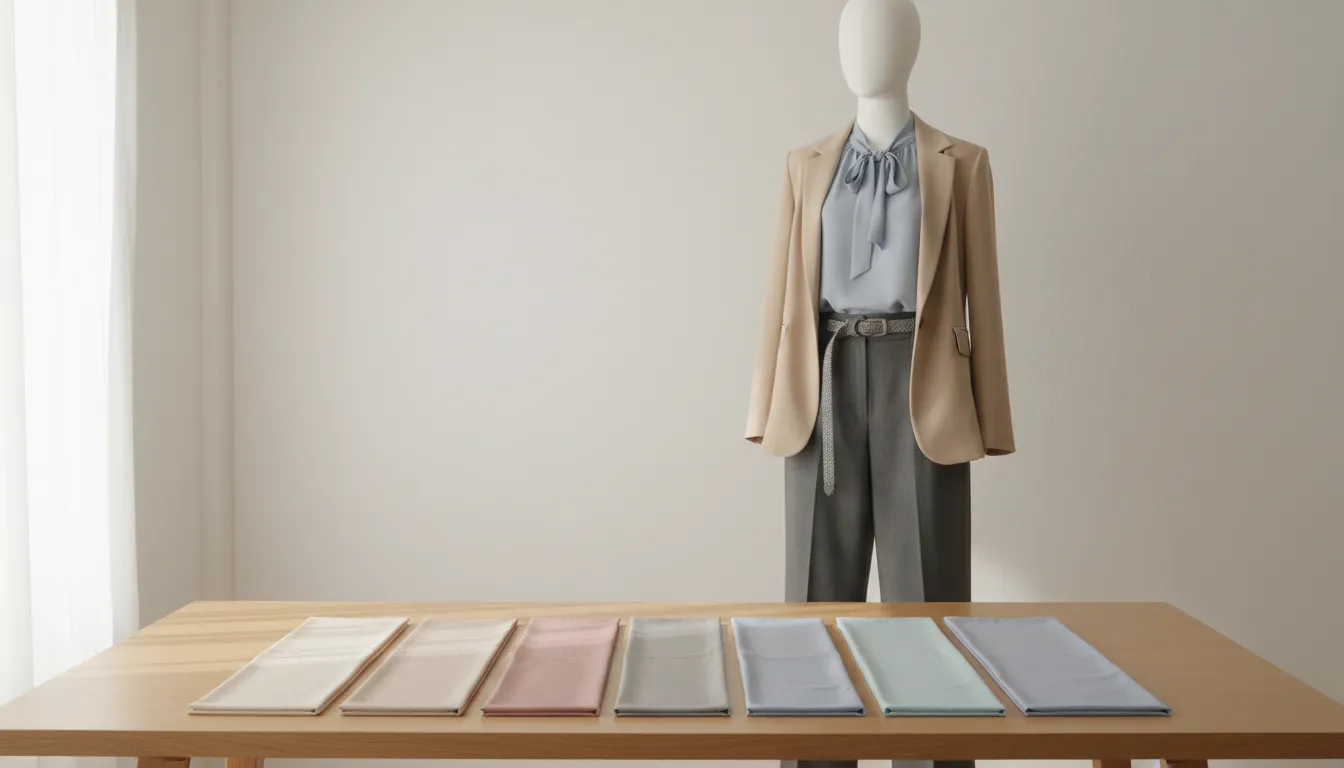
Neutral-first palettes rely on black, navy, gray, brown, French blue, and ivory for effortless coordination. These tones let you build outfits quickly and keep focus on fit and texture.
Curated accent palettes pair a set of base neutrals with two or three main colors and a couple of brighter accents. This method keeps cohesion while allowing color variety in a small wardrobe.
Examples of classic foundations: white tee, blazer, jeans
Start your wardrobe foundations with reliable pieces. A white tee, blazer, jeans make daily dressing simple and polished. Brands like Everlane and Jenni Kayne show how crisp basics pair with elevated staples.
Keep fabrics and cuts consistent so those foundations play well together. A sturdy denim, a structured blazer, and a clean white tee cover casual, business-casual, and layered looks with few items.
How color analysis can inform a cohesive minimalist palette
Color analysis helps narrow choices to shades that flatter your complexion. Professionals such as Donna Fujii recommend limiting a palette to four or five complementary colors for balance.
Observe which shades you reach for naturally. Combine that instinct with analysis to refine a practical, attractive set of colors that supports long-term outfit decisions.
- Wardrobe foundations: prioritize fit, fabric, and neutral tones first.
- white tee blazer jeans: treat these as interchangeable anchors for many outfits.
- color analysis: use it to reduce guesswork and keep palettes cohesive.
- Minimalist fashion tips: repeat a small set of colors and silhouettes to increase wear-rate.
Capsule Wardrobes versus Year-Round Minimal Wardrobes
Choosing between a seasonal capsule and a year-round minimal system shapes how you shop, store, and style. This short guide compares both approaches and offers practical tips for climates that surprise you. Read it as a capsule wardrobe guide that helps you weigh capsule vs minimal strategies, seasonal rotation trade-offs, and the capsule wardrobe benefits for everyday life.
What a capsule looks like and why people use it
A capsule wardrobe sets a fixed number of versatile items for a season. People who prefer clear outfits for work and weekends find this structure useful. The process forces intentional selection and reduces decision fatigue by limiting choices to high-quality staples.
Pros and cons of seasonal rotation and off-season storage
Seasonal rotation refreshes your closet each few months. One advantage is the clear change in feel when spring or fall arrives. One downside is off-season storage. Items put away can be forgotten, which reduces overall wear rates.
The year-round minimized approach
A year-round minimal wardrobe keeps everything visible and wearable all year. This method supports unpredictable climates or mixed schedules. It encourages layering, transitional pieces, and creative mixing without frequent swaps.
Designing for unpredictable weather
Start with layering pieces: a light knit, a weatherproof jacket, and versatile bottoms. Add transitional items like a midweight trench or a linen blend blazer. These choices help bridge temperature swings while keeping the closet compact.
How to pick what works for you
- If you live in a place with steady seasons, consider seasonal rotation to enjoy curated capsules.
- If weather shifts day-to-day, build a year-round minimal wardrobe with flexible layers.
- Test a small capsule for three months to see if the limits spark creativity or feel restrictive.
Key benefits to expect
Both systems share capsule wardrobe benefits: less clutter, faster mornings, and clearer personal style. This capsule wardrobe guide shows that the right choice depends on lifestyle, climate, and how often you want a wardrobe refresh.
Practical Shopping Rules for a Lasting Minimal Wardrobe
Start with clear shopping rules minimal wardrobe to keep choices focused and reduce regret. A short list of standards makes trips easier. Think of these as habits that protect your time, wallet, and closet.
Before buying, practice setting non-negotiables that match your daily life. Pick essentials like color range, fit, comfort, and fabric. Mark a rule as non-negotiable when breaking it will lead to low wear.
Use a wish list to curb impulse behavior and avoid impulse buys. Keep both a general list for gaps and a specific list for pieces you truly need. Review the list after a week to see if the urge fades.
Learn to evaluate garment quality when shopping. Check fabric weight, seam finishes, and lining. Favor natural fibers such as cotton, linen, wool, or Tencel for longevity and easier repairs.
Inspect construction for signs of durability: reinforced seams, matched patterns, and quality zippers or buttons. Read care labels to confirm you can commit to the maintenance required.
Balance investment with use. Follow advice from brands like Jenni Kayne and Everlane when choosing timeless essentials that evolve with you. Higher quality often means fewer replacements and less waste.
Adopt these minimalist fashion tips as daily rules: one in, one out; test a new item with three existing outfits; set a 48-hour rule before checkout. Small routines keep a wardrobe cohesive over years.
Below is a quick comparison to help apply shopping rules in the store and online.
| Decision Point | In-Store Checklist | Online Checklist |
|---|---|---|
| Setting non-negotiables | Try on for fit and comfort. Match with one outfit on hand. | Measure and compare to a trusted garment. Confirm return policy. |
| Evaluating fabric | Feel weight and stretch. Look for natural fibers on label. | Check fabric content, weight info, and customer photos. |
| Construction | Inspect seams, hems, and hardware in person. | Zoom images for seams; read detailed reviews for longevity. |
| Impulse control | Leave the item on a holding rack and walk away for 30 minutes. | Add to wish list or cart and wait 48 hours before purchase. |
| Care & repair | Read care tag; ask staff about recommended cleaning. | Check laundering instructions and estimate repairability. |
Minimalist fashion tips start with a clear decision to value durability and wearability. Choosing quality over quantity changes how you shop and how often you replace items. That mindset makes daily dressing easier and keeps your closet composed.
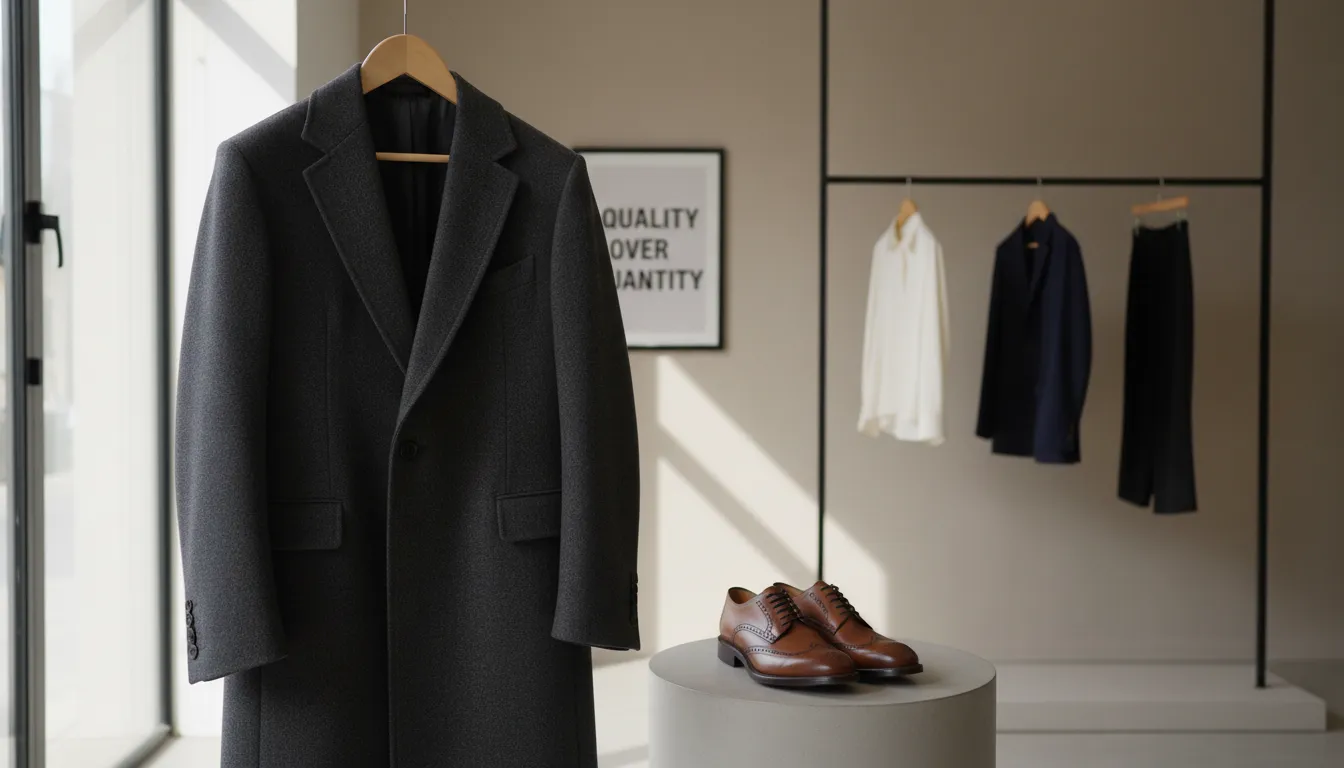
Higher-quality garments save money long term when you consider wear-rate and repair cycles. A well-constructed blazer or a cashmere sweater may cost more up front, yet frequent wear spreads that cost across seasons. Look for tight seams, reinforced stress points, and natural fibers like wool, linen, and organic cotton.
Price can signal value, though it does not guarantee it. Learn to evaluate fabrics, stitching, and brand transparency rather than relying on a tag alone. Some brands such as Everlane and Patagonia publish factory and material details. Those cues help when you decide whether to invest in durable pieces or seek alternatives.
Practicing basic garment care repair extends life and reduces waste. Small fixes—replacing buttons, reinforcing hems, or restitching seams—keep favorites in rotation. Use local tailors for fit adjustments or learn simple mending techniques at home to maintain shape and function.
Sustainable fashion choices go beyond materials. Favor brands that use recycled fibers, limit plastic packaging, and commit to fair labor. Thrifted classics from Levi’s or a lightly used wool coat can be a smart way to get durability without a large ecological footprint.
Below is a quick reference to help you decide which items to invest in and how to care for them.
| Item | Why Invest | Care & Repair Tips | Sustainable Markers |
|---|---|---|---|
| Wool Blazer | Classic shape, long wear life, versatile | Steam to reshape, tailor for fit, reinforce lining seams | Certified wool, transparent factories, minimal synthetic lining |
| Cashmere Sweater | Comfort, warmth, elevates outfits | Hand wash cold or dry clean, store folded, mend pilling early | Recycled cashmere, small-batch knitters, cruelty-free sourcing |
| Denim Jeans | Durable, improves with age, frequent wear | Spot clean, avoid excess washing, patch knees when needed | Organic cotton, lower-water dyeing, repair programs |
| Leather Shoes | Structure, longevity, polishable finish | Rotate pairs, resole when worn, condition leather | Vegetable-tanned options, recycled packaging, ethical tanneries |
| Basic White Tee | Staple piece, frequent use, anchors outfits | Wash in cool water, reshape when damp, patch small holes | Organic cotton, fair-trade label, low-impact dyes |
Minimalist Fashion Tips for Styling and Accessories
Minimalist fashion tips start with a clear plan. Choose a few reliable outfit formulas that fit your life. A go-to formula might be a crisp white shirt, tailored blazer, and slim trousers. Swap in a silk blouse or wide-leg pants to keep the base fresh.
Use accessories minimal wardrobe-style to add interest without clutter. A leather tote from Madewell, a classic Ray-Ban pair of sunglasses, or a vintage signet ring can elevate a simple look. Small, thoughtful pieces create focus while keeping the overall silhouette clean.
Using accessories to add interest without clutter
Limit colors and scale when you pick accessories. One statement item—like a bold watch or a sculptural necklace—works better than many tiny pieces. Choose items that age well and pair across multiple outfit formulas.
Consider no jewelry as a deliberate choice. Brands like The Row show how restraint can read as refined. Confidence in restraint is key to styling minimalism.
Outfit formulas to simplify daily dressing
Create 3–5 repeatable formulas for weekdays and weekends. Examples: jeans + white tee + blazer; midi skirt + fitted button-down + ballet flats; wide-leg trousers + knit + loafers. These cuts down decision fatigue and speed up mornings.
Write your favorite formulas on a note in your closet. Rotate one seasonal swap to keep things lively. This approach mirrors capsule principles and links to advice at elevate-your-style-with-minimalism.
Playing with texture and proportion to avoid monotony
Texture and proportion are tools to make minimalist looks feel intentional. Pair a chunky knit with silk trousers, or a shearling coat with a fitted tee. Contrast keeps an outfit from appearing flat.
Mind the balance: wide-leg pants pair best with structured or fitted tops. Use shoes, bags, and grooming—polished hair or a bold lip—to shift the tone from casual to dressy without extra items.
- Tip: Mix matte and shiny fabrics for depth.
- Tip: Repeat a single accent color in two places to unify a look.
- Tip: Keep maintenance simple; well-cared fabrics look more expensive.
Minimalist Fashion Experiments to Try
Short-term trials are the fastest way to learn what a minimalist wardrobe truly needs. Pick one experiment, try it for a set period, and note what feels joyful and what feels limiting. These tests sharpen taste, reduce shopping mistakes, and make the capsule wardrobe guide actionable for everyday life.
Project 333 is a reset that many fashion writers and creators recommend. Choose 33 items, including shoes and accessories, then wear only those pieces for three months. The rules force creative remixing and reveal which garments you reach for most. Adapt the method by allowing a seasonal outer layer or one special-occasion item to suit work and weather.
Try the 10x10 style challenge as a short, focused test of versatility. Select ten pieces, include shoes or outerwear, and craft ten outfits over ten days. This micro-capsule works well as a seasonal check. Use it to see if your colors and silhouettes mix well without clutter.
Set up even shorter experiments to test outfit formulas and color choices. Try an eight-day repeat of a single outfit formula or an 18-piece trial for a month. These mini-tests show your wear-rate and joy-per-wear before you commit to a long-term closet edit.
- Track which pieces get daily rotation and which sit idle.
- Note outfit formulas that feel effortless and those that require constant fuss.
- Record colors that brighten your wardrobe and ones that fade into the background.
Remix go-to items to keep minimalism fun. Swap accessories, layer differently, or switch shoe pairings. Small changes reveal new looks without new purchases. Use insights from these exercises to refine your capsule wardrobe guide and build a system that fits your life.
Regular experiments prevent stagnation and help you evolve your taste. Treat each trial as data, not failure. Over time, these minimalist fashion experiments add clarity and confidence to the pursuit outlined in the definitive guide to minimalism.
Personalization: Color Analysis, Body Type, and Signature Style
Personal minimalism feels intentional when color, fit, and a few repeatable details work together. Start by narrowing choices so each piece has purpose. That approach makes minimalist wardrobes more wearable and less generic.
How color analysis narrows down flattering palettes
Book a professional color analysis with a stylist like Donna Fujii to create a small swatch book. A 4–5 color palette that flatters your skin tone removes guesswork and speeds morning decisions.
For example, a summer palette might include cool muted greys, soft blues, and a deep wine red. Keep the palette limited so items mix easily and your minimalist fashion tips stay simple to follow.
Using body-type systems to refine fit
Learn your Kibbe body type to tailor silhouettes that feel natural. The Kibbe body type system lists 13 types; Soft Classic is one example. Soft Classic benefits from balanced lines with a touch of softness and clothing that emphasizes the waist.
Tailor blazers, button-downs, and knits to your proportions. A pear-shaped person gains balance by defining the waist and streamlining hips. These small adjustments help you personalize minimal wardrobe basics without extra items.
Creating signature elements that make minimalism feel personal
Choose one or two consistent details that become your trademark. A repeatable accessory, like pearl earrings or a leather strap watch, gives a distinct look while keeping outfits pared back.
Pick a signature color or pattern within your palette. Use that color sparingly so it reads as purposeful. This tactic turns minimalist fashion tips into a recognizable signature style that feels uniquely yours.
Brands and Resources for Sustainable Minimal Fashion
Building a pared-back wardrobe that lasts starts with choosing pieces from responsible minimalist brands and using local resources. The right brands focus on high-quality materials, transparent supply chains, fair labor, and design that resists trend-driven obsolescence. Small steps like seeking climate-neutral certifications or B Corp status guide better choices for a sustainable minimal fashion approach.
Characteristics to prioritize
Look for brands that use organic or recycled fibers and reduce single-use plastic in packaging. Clear factory audits, public wage and hours reporting, and clothing recycling programs show accountability. Certifications such as B Corp or membership in industry groups can signal genuine commitments to fair labor and lower environmental impact.
Brands and what to look for
Basics brands that use organic cotton save water compared with conventional farming. Elevated basics labels focus on timeless silhouettes and durable construction so items fit into a capsule wardrobe guide. Some companies run transparent traceability reports, while others offer garment take-back programs to ease clothing recycling.
Local options and reuse
Thrift stores and community clothing swaps are practical ways to extend garment life. Local resale platforms and neighborhood yard-sale groups offer affordably sourced pieces that reduce demand for new production. For worn-out items, search for municipal textile recycling or brand take-back events so fabric gets repurposed rather than burned or exported.
Reselling platforms like ThredUp expand access to secondhand pieces, while donating to vetted local charities helps ensure donations serve community needs. Use swaps and small thrift shops to discover unique, lasting items that support a minimalist wardrobe without excess spending.
| Resource Type | What to Expect | How it Supports Minimalism |
|---|---|---|
| Responsible minimalist brands | Organic/recycled fibers, transparent supply chains, repair or take-back services | Promotes longevity and reduces waste, ideal for a capsule wardrobe guide |
| Basics and elevated basics labels | Timeless cuts, durable construction, fewer seasonal drops | Fewer purchases, higher wear-rate, easier outfit mixing |
| Thrift stores | Affordable secondhand items, local finds, vintage quality | Extends garment life and lowers demand for new production |
| Clothing swaps and community drives | Peer-to-peer exchange, low-cost refreshes, local engagement | Circulates garments within the community and reduces landfill inputs |
| Clothing recycling services | Textile drop-off, brand take-back programs, fiber reclamation | Prevents garments from being incinerated, supports circularity |
| Online resale platforms | Wide selection, condition filters, resale market for quality pieces | Makes secondhand shopping convenient and scalable |
definitive guide to minimalism
This short wrap-up highlights practical lessons from this definitive guide to minimalism and gives a clear plan to begin changing your wardrobe and habits. Keep the focus on intention, not on arbitrary item counts. Small, steady changes beat dramatic purges.
Key takeaways
Minimalism in fashion begins with mindset. Choose items for purpose and fit rather than to hit a number. Use the love/nope/maybe/seasonal sort when decluttering to reveal real patterns in what you wear.
Adopt outfit formulas and shopping rules to stop decision fatigue. Apply minimalist fashion tips like investing in neutral foundations and using a single statement accessory to refresh looks without adding clutter.
A step-by-step plan to start
- Pull everything out and sort into love, nope, maybe, and seasonal piles.
- Record patterns among favorites and discards to learn your true style needs.
- Make a visual board and refine a cohesive color palette; consider professional color analysis if uncertain.
- Define wardrobe foundations that match your daily life: workwear, casual, active, and special occasions.
- Set non-negotiables and a wish list before shopping.
- Run short experiments like Project 333 or a 10×10 challenge from the capsule wardrobe guide to test formulas.
- Invest in quality, maintain garments, repair when possible, and dispose of items responsibly.
Metrics for success: wear-rate, joy-per-wear, and longevity
Track wear-rate by noting which pieces you wear each week. Aim to move beyond the average 20% of items worn most often and raise that percentage over time.
Measure joy-per-wear by noting how each garment makes you feel. Prioritize pieces that boost confidence and comfort. Use simple logs or an app to record favorites, repairs, and resale outcomes.
Assess longevity by counting years of usable life and frequency of repairs. Combine these metrics to judge real value, not just cost per item. Use minimalist fashion tips to keep focus on high wear-rate and high joy-per-wear while following a capsule wardrobe guide for seasonal clarity.
Conclusion
The definitive guide to minimalism shows that minimalism in fashion begins with intention. Build a wardrobe that reflects your daily life, supports confidence, and makes dressing effortless. Use the minimalist fashion tips here—like focusing on silhouette, texture, and proportion—to shape garments that fit both function and form.
Change happens slowly; patience and small, consistent choices matter more than drastic purges. Treat the capsule wardrobe guide as a tool, not a rulebook: seasonal capsules and year-round edits both help refine what you actually wear. Measure progress by wear-rate and joy-per-wear rather than closet size alone.
Prioritize quality, personalization, and responsible end-of-life options. Apply color analysis and fit principles to make pieces feel tailored, and choose sustainable fashion choices—repair, donate locally, and select brands with transparent practices. Minimalism need not be austere; it’s about curating a closet you love, wear, and that respects the planet.
FAQ
What is the difference between a minimal approach and the minimalist aesthetic?
The minimal approach is a mindset: intentionality about what you own so your wardrobe fits your life and makes dressing effortless. The minimalist aesthetic is a visual style—clean silhouettes, neutral palettes, attention to proportion and texture. You can adopt the approach without committing to a monochrome closet or an arbitrary item count.
How many items should I have in a minimalist wardrobe or capsule?
There’s no magic number. Minimalism prioritizes pieces you love and wear often rather than a specific total. Short experiments like Project 333 (33 items for three months) or a 10×10 challenge can help you find a comfortable range before settling on a seasonal capsule or a year-round minimized wardrobe.
Where do I start when decluttering my closet?
Pull everything out and sort into piles: love (you wear and adore), nope (never worn), maybe (needs tailoring or testing), and seasonal (store off-season). Record patterns among the keepers and discards. Box maybe items for a set period (e.g., three months) and reassess; sell good-condition items, donate locally, or find textile recycling for worn-out pieces.
How can I avoid decision fatigue and the “I have nothing to wear” feeling?
Reduce options with outfit formulas (e.g., jeans + shirt + sweater + shoes), build wardrobe foundations (white button-down, classic trousers, well-fitting jeans), and create non-negotiable shopping rules. A focused palette and signature elements—like a go-to bag or simple jewelry—also speed up dressing and boost confidence.
Should a minimalist wardrobe be all neutral colors?
Not necessarily. Many minimal wardrobes use neutrals for ease of mixing, but you can choose a defined palette (neutrals + main colors + accents) or keep separate color “zones” you don’t mix. Professional color analysis can help narrow a flattering 4–5 color palette that still feels personal and cohesive.
How do I define my personal minimalist style?
Create a visual board (Pinterest or saved files) and collect outfits, silhouettes, textures, and color examples you’re drawn to. Compare those patterns with your decluttering notes to identify gaps. Experiment with outfit formulas, tailoring, and short challenges to refine silhouettes, proportions, and signature elements.
Capsule wardrobe or year-round minimized wardrobe — which is better?
Both work. Capsules are useful for seasonal clarity and predictable climates; they force intentional selection. Year-round minimized wardrobes keep everything accessible and suit unpredictable weather or those who prefer variety. Choose based on climate, lifestyle, and whether you like seasonal refreshes.
How should I set shopping rules to build a lasting wardrobe?
Create non-negotiables around quality, fit, color, versatility, and emotional response. Keep a wish list to guide intentional buys and test purchases by imagining outfit pairings. Evaluate materials, construction, care, and repairability before buying to avoid impulse purchases that don’t last.
Does buying fewer higher-priced items really save money?
Often yes. Investing in durable, well-made pieces can lower long-term costs because they last longer and retain value. Price isn’t the only measure—assess fabric, construction, and brand transparency. Regular care, repairs, and mending extend life and reduce replacement frequency.
What materials and brands should I look for to be more sustainable?
Favor organic cotton, recycled fibers, natural materials, and brands with transparent supply chains, fair-labor practices, and recycling programs. Look for certifications like B Corp or climate-neutral claims and brands that minimize plastic packaging. Prioritize durability and repairability to reduce waste.
How can I responsibly dispose of items I don’t want?
Sell good-condition items via resale platforms or local groups, donate to small local thrift stores or community drives, or take advantage of textile-recycling facilities. Avoid dumping into large donation bins that may lead to incineration or export; choose local organizations and swaps to keep clothes in circulation.
Can minimalism in fashion still feel creative and personal?
Absolutely. Minimalism emphasizes curated choices—texture mixing, proportion play, repeatable accessories, and signature colors or jewelry. Tools like color analysis and body-type guidance (e.g., Kibbe principles) help tailor minimalism to your complexion and shape so your wardrobe feels distinct and expressive.
What small experiments can test whether a minimal strategy will work for me?
Try Project 333, the 10×10 challenge, or a short-term 18– to 30-piece edit for a month. These tests reveal wear-rate, boredom potential, and how well your palette and outfit formulas function. Use results to tweak foundations, color choices, and the number of pieces you need.
How do I measure success in building a minimalist wardrobe?
Track wear-rate (aim to increase the percent of your wardrobe you wear regularly), joy-per-wear (how much confidence or happiness each piece gives you), and longevity (years of usable life). Note repairs, replacements, and resale/donation outcomes to quantify progress and guide future purchases.
What are practical wardrobe foundations to invest in first?
Start with versatile classics: a crisp white button-down, a well-cut blazer, a quality knit or cashmere sweater, tailored trousers, reliable jeans, and neutral outerwear. Add dependable shoes (strappy sandals, loafers, or ankle boots) and a durable tote. These foundations make mixing easy across many outfits.
How can tailoring and repair fit into a minimalist plan?
Tailoring ensures better fit and makes pieces feel intentional; repair and mending extend garment life and reduce the need to replace items. Budget for occasional tailoring and learn simple mending or find a trusted local tailor to keep favorites wearable for years.