
Sustainable Fashion: The Impact of Second-Hand Shopping
Explore the sustainable revolution with the benefits of second-hand shopping. Embrace eco-friendly style and save money while reducing waste.
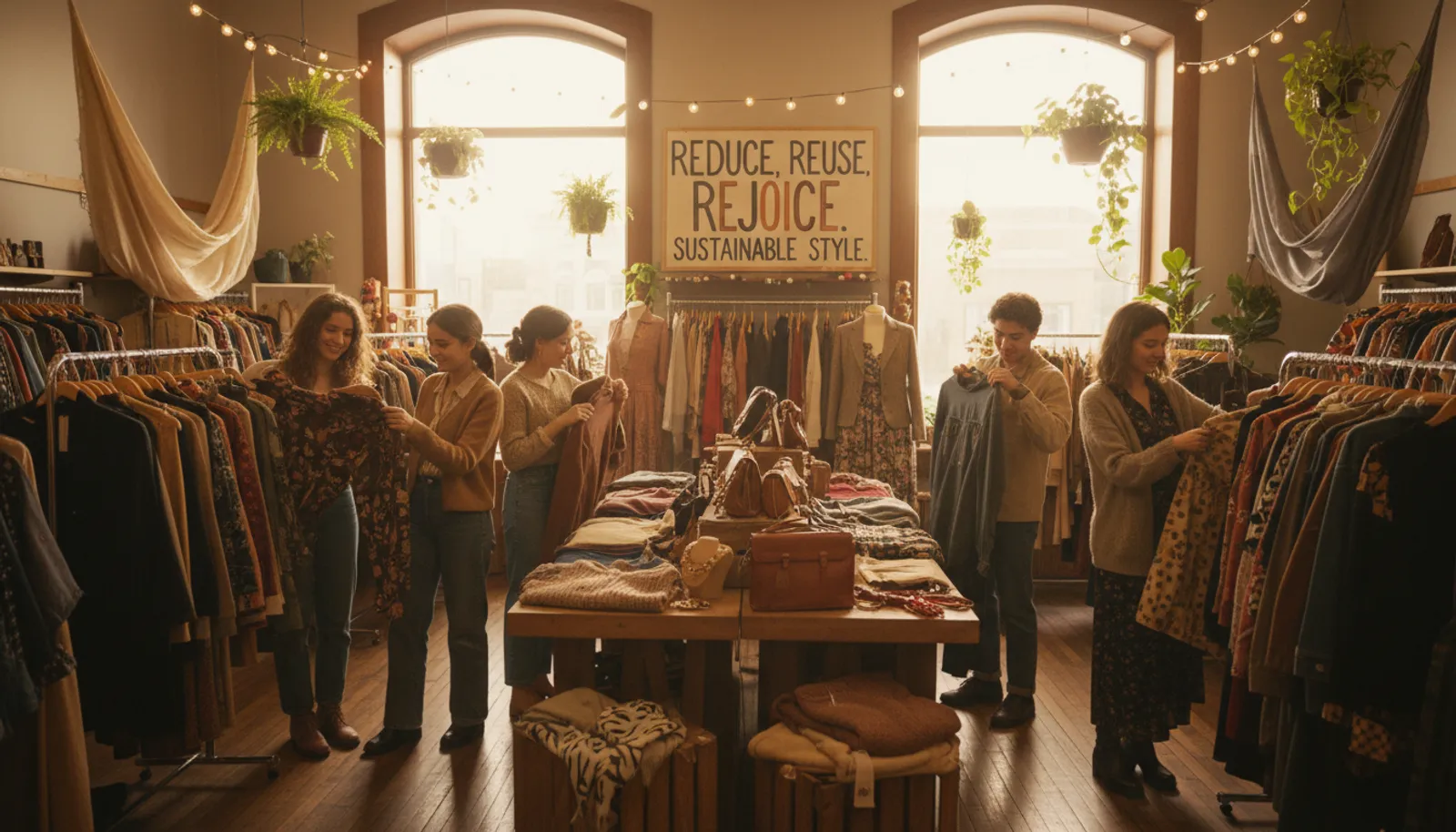

33 min read
Surprising fact: buying one item second-hand can cut climate impacts and energy demand per use by up to 42% compared with buying new, according to recent life-cycle analyses that compare garments on a per-use basis.
The fashion industry is one of the worlds most carbon-intensive sectors, and interest in sustainable fashion has pushed millions of shoppers toward thrift stores and resale apps like TheRealReal, Depop, and ThredUp. Yet the impact of thrift shopping depends on how garments are used, how many times they are worn, and whether resale truly displaces new purchases or simply adds to overall consumption.
New research measuring impacts from cradle to grave production in Asia through retail, reuse, and end-of-life in the UK shows consistent environmental wins when garments are reused more often. The study models common items (cotton tees, polyester dresses, cotton trousers, mixed-fiber sweaters) and finds freshwater eutrophication and water scarcity footprints drop by roughly 3553% per use with second-hand consumption.
At the same time, behavioral studies, including work by Meital Peleg Mizrachi and Ori Sharon and a Yale-coauthored survey, find frequent secondhand buyers often buy many new items too. That pattern suggests the impact of thrift shopping depends on consumer choices, trends, and the lifetime of each garment.
For readers who want a deeper technical read, see the full life-cycle analysis linked in this discussion on environmental impacts of reuse and second-hand clothing benefits: life-cycle study on second-hand clothes.
Key Takeaways
- Second-hand clothing benefits rise sharply when garments are worn many more times.
- Impact of thrift shopping is context-dependent: reuse helps, but only if it displaces new purchases or extends wear.
- Life-cycle evidence shows large reductions in water, eutrophication, and energy per use for reused items.
- Behavioral research warns resale can supplement rather than replace new buying for some shoppers.
- Smart second-hand choices longer use, repair, mindful buying maximize sustainable fashion gains.
Why second-hand shopping matters for sustainable fashion
Second-hand shopping reduces pressure on raw materials and slows the churn of garments. The fashion industry is one of the worlds most carbon-intensive sectors, with brands like H&M and Zara driving rapid production cycles that have nearly doubled global garment output. That scale raises questions about how to cut emissions, water use, and pollution while meeting consumer demand.
Reuse and resale extend the life of clothing, which is central to developing sustainable fashion habits. Policies from the European Union and guidance from the United Nations Environment Programme endorse reuse, repair, and refurbishment as tools in a circular economy. Those approaches aim to lower the need for new production, reduce water use in textile manufacture, and limit dyeing-related pollution.
Overview of the fashion industrys environmental footprint
Textile production consumes roughly 93 billion cubic meters of water yearly and contributes between 2% and 8% of global greenhouse gas emissions. Fast fashions short lifespans and low prices amplify waste and pollution, making it harder for brands and consumers to meet climate and resource targets.
How second-hand markets fit into circular economy goals
Second-hand markets supply a practical route to circularity by keeping garments in use longer. Repair, resale, and redistribution lower production demand when buyers choose used items over new ones. That shift supports sustainable fashion habits by prioritizing longevity and repair over rapid replacement.
Growth of resale: market size and projections
Resale has scaled quickly thanks to platforms such as ThredUp, TheRealReal, and Depop. Global resale sales reached around $177 billion in 2022 with forecasts projecting the channel to double within a few years. The growth highlights benefits of second-hand shopping for extending product life and offering lower-cost access to quality apparel.
| Metric | Recent Value | Near-term Projection |
|---|---|---|
| --- | --- | --- |
| Global resale sales | $177 billion (2022) | Projected to double by 2027 |
| Industry share of emissions | 2%8% of global GHGs | Targets to reduce via circular strategies |
| Annual water use in textiles | ~93 billion m | Lowered when reuse replaces new production |
| Leading resale platforms | ThredUp, TheRealReal, Depop | Driving digital resale adoption |
| Consumer impact | Access to affordable items | Supports sustainable fashion habits and shows impact of thrift shopping |
Second-hand markets offer clear gains for people and the planet. Shoppers find quality pieces at lower prices while communities gain jobs and small-business revenue. The impact of thrift shopping reaches beyond bargains, touching environmental goals and local economies.
Environmental advantages: reduced production demand and lower emissions
Reusing garments extends their life and cuts demand for new production. Extending wear time reduces carbon emissions and water use tied to making new items. Studies show that keeping a shirt or pair of jeans in use longer can lower the fashion sectors overall footprint.
Economic benefits for shoppers and local economies
Thrift stores, consignment shops, and apps such as Poshmark and ThredUp create income for sellers and jobs for staff. Buyers gain access to higher-quality and sometimes luxury items at reduced prices. Small businesses and nonprofit shops reinvest in neighborhoods and drive local economic activity.
Social and cultural benefits: access, vintage style, and community
Thrifting opens fashion to more people by lowering cost barriers. Vintage finds support creative styling and help preserve classic brands and workmanship. Community events, swap meets, and volunteer-run thrift stores build social ties and foster a culture of repair and reuse.
Limits of resale as a sustainability solution
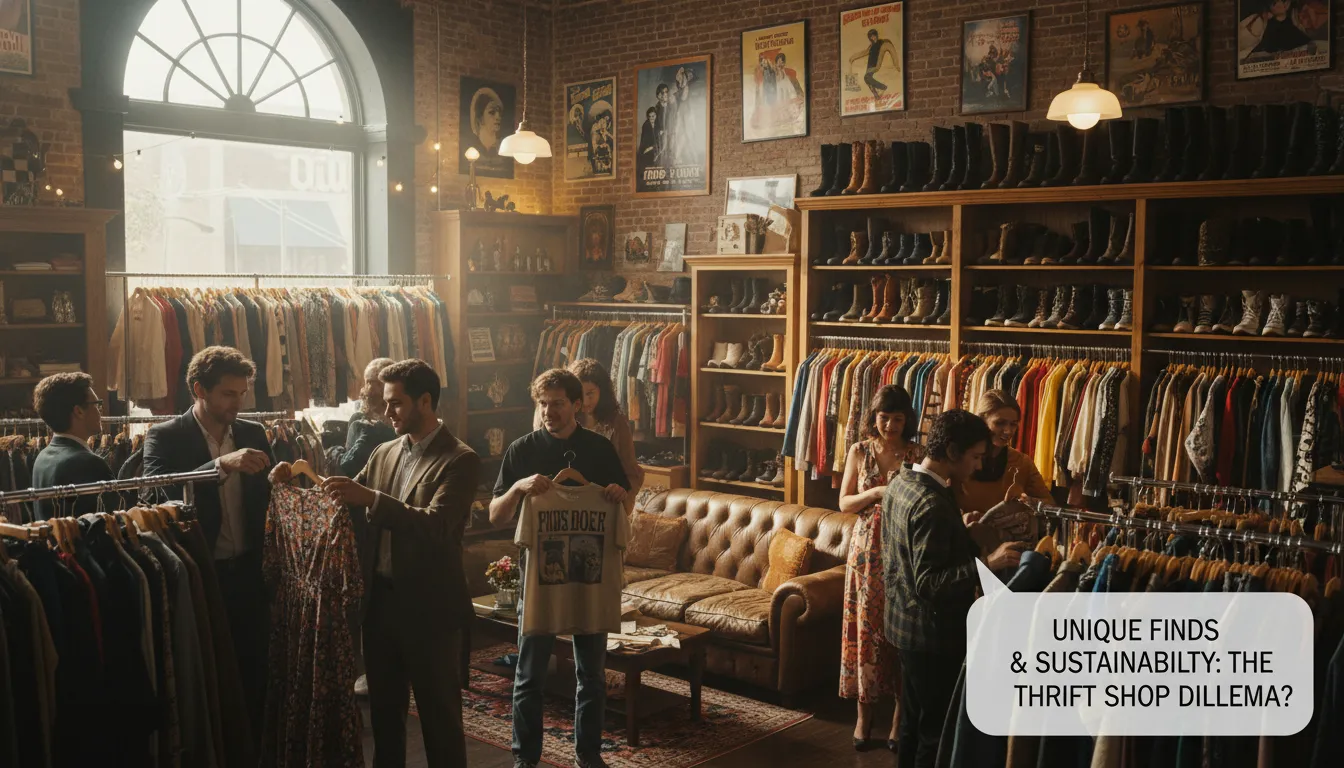
Resale and thrift markets offer clear advantages, yet they do not automatically deliver systemic sustainability. Evidence from recent studies shows many frequent secondhand buyers continue to purchase new items. That pattern can weaken the positive impact of thrift shopping on overall waste reduction.
Evidence that secondhand can supplement rather than displace new purchases
Survey data reveal clusters of consumers who buy heavily in both resale and primary markets. Those shoppers often return items more frequently and keep garments for shorter periods. This behavior reduces the net benefit of benefits of second-hand shopping when measured against long-term garment retention.
Donation overflow and global impacts on receiving countries
Large donation streams can overwhelm charities and local markets abroad. Much donated clothing is exported to countries in the Global South, where it floods local textile industries and undercuts domestic producers. That dynamic creates social and economic pressures that offset some aims of sustainable fashion habits.
Unsold inventory, waste, and disposal practices
Only a minority of donated or consigned items reach shop floors for reuse. Estimates suggest substantial shares are resold in bulk, exported, incinerated, or landfilled. Transportation of surplus stock and disposal methods add greenhouse gas emissions, which complicates claims about the environmental benefits of second-hand shopping.
Researchers urge better transparency across resale platforms and supply chains to clarify where unsold inventory ends up and to measure the true carbon and waste impacts. For further discussion of these complexities, see a detailed analysis at the Yale study.
Behavioral dynamics: rebound effect and moral licensing
Buying secondhand can feel like a clear step toward sustainable fashion habits, yet human behavior often shifts the outcome. Psychological and economic forces can turn thrift victories into signals that justify extra purchases. This section outlines key dynamics that explain why the impact of thrift shopping does not always reduce overall consumption.
Rebound effect
The rebound effect appears when lower cost-per-wear or perceived savings encourage more buying. If a shopper pays less at Goodwill or a local vintage shop, the cheaper price can raise demand. That makes the benefits of second-hand shopping harder to realize at scale.
Moral licensing
Moral licensing gives people permission to indulge after a virtuous act. Purchasing a Patagonia fleece from a resale platform can feel ethical enough to justify a Zara impulse buy. That mental accounting may erode sustainable fashion habits by balancing a good choice with a new one.
Empirical linkages
Studies show a positive correlation between secondhand consumption and new purchases. High-engagement thrift shoppers sometimes keep clothes for shorter periods and buy more overall. Social media trends like thrift hauls amplify this, pushing novelty over retention and weakening the long-term benefits of second-hand shopping.
Recognizing these behavioral dynamics helps craft better interventions. Nudges that stress wear-per-item, repair, and mindful buying can align thrift habits with genuine reductions in clothing turnover and waste.
Demographics of second-hand shoppers in the United States
The profile of resale buyers has shifted a lot in recent years. Younger Americans drive much of the market growth, students show especially high engagement, and women remain more active than men in both buying and selling used apparel. These patterns shape the social appeal and practical benefits of second-hand shopping across communities.
Age differences: higher engagement among younger consumers
Surveys from Yale find 79% of respondents aged 1824 purchased secondhand clothing compared with 57% of adults 65 and older. Young shoppers use apps like Depop, Poshmark, and ThredUp to trade items quickly. That digital fluency helps spread the impact of thrift shopping and makes resale an everyday option for Gen Z and Millennials.
Gender patterns: why women often buy more secondhand clothing
Women report greater participation in resale markets than men. Cultural norms around styling, stronger interest in vintage fashion, and familiarity with thrift stores increase womens purchases. Men sometimes cite concerns about hygiene or the time needed to find fits, which lowers their engagement. These differences affect which categories of clothing and accessories appear in resale channels.
Students and frequent shoppers as key resale users
Students lead the pack: 84% reported buying secondhand in the Yale study. Campus life, budget pressure, and social media trends like thrift hauls push students toward resale. Frequent shoppers, including higher-income young adults seeking luxury bargains, keep demand steady and amplify the benefits of second-hand shopping through repeated transactions.
Political views and education level play smaller roles than access and habit. Knowledge about sustainability helps, yet it does not always predict buying behavior. The rise of online resale during the COVID-19 era shows how cultural shifts, platform design, and convenience can magnify the impact of thrift shopping across age and gender groups.
How fast fashion and resale interact
Fast fashions pace and resale markets are entwined in complex ways. Brands such as H&M and Zara sped up production cycles, doubling global garment output over two decades and driving a roughly 400% rise in clothing consumption. That flood of low-cost items feeds secondary markets, changing the impact of thrift shopping and shaping sustainable fashion habits for many buyers.
Fast fashions role in overproduction and short lifespans
Cheap fabrics and rapid trend replication shorten how long people keep clothes. Viral trends on TikTok push quick turnover, so garments wear out or fall out of favor sooner. Short lifespans increase volumes reaching resale channels and thrift stores, altering the benefits of second-hand shopping by boosting supply but not always reducing upstream production.
Brand-led resale platforms and potential greenwashing risks
Major retailers now promote buyback programs and in-house resale as sustainability moves. Offering resale can improve brand image while core production stays high. Critics warn this can create greenwashing when resale is used for reputation rather than systemic change. Shoppers who want real sustainable fashion habits should look beyond marketing claims to metrics like production cuts and repair services.
Parallel growth of primary and secondary markets
Empirical data shows both new and used markets expanding together. Resale often complements purchases instead of replacing them. That parallel growth means the impact of thrift shopping depends on whether shoppers adopt long-term retention and repair. When resale mirrors fast-fashion featuresfast listings, easy returnsit can reproduce the same consumption dynamics that sustainable fashion habits try to reduce.
- Supply surge: Mass production fills thrift channels, increasing options for buyers.
- Marketing risk: Brand resale can mask ongoing high output.
- Behavioral effect: Easy resale can encourage more buying if items are seen as disposable.
Understanding these links helps readers weigh the benefits of second-hand shopping against systemic industry trends. Smart choices and pressure for real transparency matter more than resale claims alone.
Environmental metrics and hidden impacts of secondhand trade
Secondhand markets shift the balance of fashions environmental ledger. Reuse and longer wear-per-item can cut carbon and water footprints, but the full picture requires careful measurement of transport, returns, and fabric types.
Carbon and water savings when garments are reused longer
Extending a garments life spreads the carbon and water costs of production over more wears. A pair of jeans that lasts twice as long can halve its per-wear footprint. This dynamic underlies the most cited benefits of second-hand shopping and explains why second-hand clothing benefits often rest on increased use rather than simple ownership transfer.
Emissions from shipping, returns, and international resale logistics
Resale platforms and marketplaces add shipping and reverse logistics that generate emissions. Cross-border shipments and liberal return policies can erode the savings of reuse. Scholars at Yale urge resale services to disclose shipping emissions and unsold inventory disposal to make trade-offs transparent.
Textile composition and decomposition: synthetics versus natural fibers
Fiber choice changes end-of-life impacts. Polyester sheds microplastics and resists biodegradation, tying garments to fossil-fuel extraction. Cotton and wool break down faster but often require heavy water use and pesticides during production. One pair of jeans may use around 1,800 gallons of water, which factors into life-cycle comparisons of secondhand clothing benefits.
Understanding the impact of thrift shopping means weighing wear-per-item gains against added logistics and material-specific harms. Clear metrics help shoppers and platforms prioritize where reuse delivers the greatest environmental returns.
Consumer practices that maximize second-hand sustainability
Simple habits change how much good thrift shopping does for the planet. Learning to buy with intention, repair items, and donate responsibly helps turn secondhand purchases into lasting sustainable fashion habits. Small choices keep garments in use longer and cut the impact of thrift shopping on waste streams.
Buying with intention
Ask clear questions before you buy. Would you pay retail for this item? Can you pair it with at least three pieces you already own? Will you actually wear it more than a few times? These prompts reduce impulse buys and raise the wear-per-item metric that matters for sustainable fashion habits.
Repair, tailoring, and retention
Choose garments you can mend or tailor. A simple hem or new button often turns a thrift find into a wardrobe staple. Local repair shops, independent tailors, and community mending cafes extend clothes lives and magnify the benefits of second-hand shopping.
Responsible donating
Send usable clothing to places that serve immediate need. Homeless shelters and domestic violence centers often distribute donations directly to people in crisis. Large chains like Goodwill and Salvation Army can resell or export excess donations, which may reduce the positive impact of thrift shopping unless items are in good, wearable condition.
Practical checklists help. Carry a short list of fit, versatility, repairability, and uniqueness to avoid repeats. Aim to integrate secondhand finds into a broader circular routine that includes repair and thoughtful donation.
An informed shopper asks about resale platforms disposal practices before assuming every purchase reduces harm. When consumers pair careful buying with mending and targeted donations, they strengthen sustainable fashion habits and increase the long-term benefits of second-hand shopping.
Economic and social equity concerns around thrifting
Thrift shopping brings clear environmental and social upsides, but rising commercialization raises equity questions. As resale platforms grow, the impact of thrift shopping shifts from community benefit to market competition that can limit access for people who rely on low-cost clothing.
Price inflation and accessibility for low-income shoppers
When demand rises, prices follow. During the pandemic, high-profile online thrift hauls pushed bidding and buy-now prices upward. That trend reduced the benefits of second-hand shopping for working-class families who need affordable options.
Research at Yale found younger and female shoppers are more active in resale markets. As higher-income buyers enter these spaces, brick-and-mortar thrift stores can see price inflation that hurts long-time low-income customers.
Impact of resale commercialization on community thrift resources
Community thrift stores and shelters depend on donations to serve local needs. Commercial resellers buying donated goods can divert inventory away from these outlets. This shift undermines local safety nets and the social mission of many nonprofits.
Exporting donated clothing creates another layer of concern. Donation streams sent abroad can suppress local textile production and create patterns some scholars call waste colonization. Those impacts deserve attention when assessing the benefits of second-hand shopping.
Ways to support equitable access to affordable clothing
Policy and practice choices can protect access. Community-first pricing, sliding-scale models, and curated free closets help preserve low-cost supply where it matters most.
Donating directly to shelters and local centers, rather than to platforms that resell online, stewards clothing toward those in need. Programs offering vouchers, clothing drives run by schools or churches, and repair workshops expand the social reach of second-hand clothing benefits.
| Challenge | How it affects communities | Practical response |
|---|---|---|
| --- | --- | --- |
| Price inflation on resale platforms | Low-income shoppers face reduced affordability | Encourage community-only days and price caps at local stores |
| Commercial buying of donated goods | Less inventory for shelters and charitable programs | Create donation routing policies that prioritize nonprofits |
| Exported donations | Local producers in receiving countries lose market share | Support local textile economies and transparent export rules |
| Online thrift trends | Surge in demand can displace traditional users | Develop voucher programs and free closets for vulnerable households |
| Repair and retention gaps | Shorter garment lifespans raise overall consumption | Fund repair cafes and tailoring subsidies to extend wear |
Resale marketplaces carry promise for sustainable fashion habits, but that promise weakens without clear rules. Platforms like Depop, Poshmark, and ThredUp scale fast. Researchers urge treating the secondhand chain as part of the primary fashion system and revealing environmental-impact metrics. Shoppers and policymakers need data to judge claims about the benefits of second-hand shopping and the broader impact of thrift shopping.
Why disclosure of sustainability metrics matters
Transparent metrics let consumers compare sellers and choose options that align with sustainable fashion habits. If platforms publish carbon and water footprints for logistics, buyers can see the hidden costs of shipping and returns. Clear reporting makes the benefits of second-hand shopping measurable rather than anecdotal.
Inventory management, unsold item reporting, and disposal transparency
Unsold inventory creates a blind spot in resale claims. Platforms that track donation flows, exports of used clothing, and disposal rates help reveal whether resale reduces waste or shifts burdens elsewhere. Regular reporting of unsold items and end-of-life pathways supports more honest conversations about the impact of thrift shopping.
Policy proposals for regulating resale environmental impacts
Policymakers in the EU and the United States can borrow from existing circular-textile frameworks and extend them to resale. Practical proposals include mandatory reporting of donation and resale flows, limits on bulk export without traceability, and incentives for repair and local reuse programs. Requiring platforms to publish logistics footprints would let researchers evaluate claims and guide shoppers toward the real benefits of second-hand shopping.
| Policy Area | What to Report | Intended Effect |
|---|---|---|
| --- | --- | --- |
| Inventory tracking | Counts of listed, sold, unsold, and donated items | Reduce hidden waste and improve circular planning |
| Logistics footprints | Carbon and water estimates for shipping and returns | Expose trade-offs and guide consumer decisions |
| Export and donation flows | Destinations, volumes, and reuse rates | Prevent harmful displacement and promote accountability |
| Repair and reuse incentives | Programs supported and local partnerships | Strengthen local circular economies and long-term retention |
| Community protection measures | Policies limiting commercial crowding of thrift resources | Preserve affordable access and social benefits of thrifting |
New approaches broaden the impact of thrift and resale. Rental platforms, repair networks, and better materials work together to lower demand for disposable garments and support sustainable fashion habits.
Clothing rental and subscription services
Rental services such as Rent the Runway give shoppers temporary access to high-quality pieces for events or rotating wardrobes. These models cut single-use buys and highlight the benefits of second-hand shopping by keeping garments in active use without permanent ownership.
Upcycling, repair networks, and local circular initiatives
Community repair cafs and neighborhood tailors extend garment life. Upcycling studios turn tired items into fresh designs. These efforts increase wear-per-item and boost second-hand clothing benefits by keeping textiles in local loops.
Sustainable materials and production improvements
Innovations in fibersrecycled polyester, Lyocell, organic cotton, and plant-based textilesreduce upstream harms from cultivation and manufacture. Brands like H&M have integrated recycled and lyocell blends into some lines to lower lifecycle impacts. Pairing better materials with reuse, rental, and repair reduces total footprint more than resale alone.
Combining rental, repair, and material shifts makes second-hand strategies more powerful. Shoppers who embrace these options see tangible benefits of second-hand shopping and build long-term sustainable fashion habits.
Practical tips for smart second-hand shopping
Learning simple vetting habits makes second-hand shopping more rewarding and helps lock in the benefits of second-hand shopping. Start with a quick inspection of seams, linings, and labels to spot repairs or hidden damage.
How to evaluate quality, fit, and fiber content in thrift finds
Check care tags for fiber content and country of manufacture. Natural fibers like wool, linen, and cotton often last longer and feel better, though cotton has a high water footprint to consider.
Try garments on or measure them against a favorite piece from your closet. Ask whether the item will pair with at least two outfits you already own. That habit highlights the second-hand clothing benefits of versatility and longer wear.
Look for sturdy hardware, intact hems, and fade-free colors. If a small flaw exists, weigh repair cost against resale value before buying.
Storing, washing, and maintaining second-hand garments
Follow label instructions when washing. Use gentle cycles and cold water for delicate fibers to reduce shrinkage and color loss. Spot-treat stains promptly to avoid permanent damage.
Mend small tears, replace missing buttons, and consider modest tailoring for a better fit. Proper storagebreathable garment bags for wool, cedar blocks to deter mothsextends life and supports sustainable fashion habits.
Timing purchases and avoiding impulse thrift hauls
Create a short checklist before buying: Would I pay full price for this? Will I wear it at least 30 times? Answers curb impulse buys and encourage mindful choices.
Try a 48-hour wait rule for tempting finds. If the item still feels essential after that period, it likely earns its place in your wardrobe. Use seasonal sales and charity-shop rotations to find good value without overbuying.
For practical resources on local charity shops, marketplace tips, and repair networks, consult a consolidated guide like this second-hand shopping resource.
| Step | What to Check | Why it Matters |
|---|---|---|
| --- | --- | --- |
| Inspect | Seams, lining, zippers, stains | Prevents surprises and reduces returns |
| Assess fiber | Care label: wool, cotton, polyester | Informs durability and care needs |
| Fit test | Try on or compare measurements | Ensures comfort and long-term wear |
| Repair plan | Tailoring, mending, button replacement | Increases garment lifespan and resale value |
| Waiting rule | 48-hour pause before purchase | Reduces impulse hauling and waste |
| Storage | Breathable bags, moth deterrents | Protects fabric and preserves quality |
To move beyond intentions, practical metrics let shoppers and brands compare choices. Start with simple counts and grow into footprint estimates. That mix helps reveal whether the benefits of second-hand shopping translate into lasting reductions in demand for new garments.
Wear-per-item and garment retention
Wear-per-item measures how many times a piece is worn before it leaves a wardrobe. Higher wear-per-item lowers the per-wear environmental cost. A nationally representative survey of 1,009 U.S. consumers linked short retention to more waste, so tracking retention clarifies real gains from reused pieces.
Record purchase date, first wear, and retirement or donation date. Brands such as Patagonia and Levi’s report lifespan data for some styles. Those figures help shoppers set targets for improving garment retention and changing sustainable fashion habits.
Tracking purchases versus disposals
Counting purchases and disposals shows net wardrobe growth or shrinkage. Empirical results show secondhand engagement can coexist with higher overall consumption. Measuring both inflows and outflows reveals overconsumption patterns and return behavior tied to speculative buying.
Use simple logs or apps to note new, secondhand, and returned items. Compare quarterly totals to flag rising turnover rates. This practice highlights the true impact of thrift activity and impact of thrift shopping on household consumption.
Carbon and water footprints for informed choices
Estimate carbon and water footprints when possible. Factor in fiber type, manufacturing origin, transport, and resale shipping or returns. Cotton has high water intensity, polyester often carries higher carbon costs from production, and long-distance shipping adds emissions.
Platforms that disclose lifecycle metrics let consumers compare impacts directly. For deeper context, consult lifecycle studies and tools linked from research summaries such as this peer-reviewed overview.
| Metric | Why it matters | How to track |
|---|---|---|
| --- | --- | --- |
| Wear-per-item | Shows durability and lowers per-wear impact | Log first wear and last wear dates; set minimum wears target |
| Retention time | Indicates permanence vs. churn in wardrobe | Record acquisition and disposal; compare season to season |
| Purchases vs disposals | Reveals net growth and overconsumption | Track new, secondhand, returned, donated, and recycled items |
| Return rate | Signals speculative buying and supply chain churn | Monitor receipts and online return records |
| Carbon & water footprint | Quantifies environmental load across lifecycle | Use calculators, brand disclosures, and fiber-specific factors |
How to combine minimalism with second-hand shopping for real change
Pairing minimalism with second-hand shopping shifts buying from impulse to intention. That blend lowers turnover, extends garment life, and highlights the benefits of second-hand shopping as a practical path to sustainable living.
Adopting a capsule wardrobe mindset
Choose a small set of versatile pieces that mix and match well. A capsule wardrobe reduces the urge to replace items often, supports second-hand clothing benefits, and makes each purchase more meaningful.
Intentional shopping rituals
Introduce simple rules: wait 48 hours before buying, perform quarterly wardrobe audits, and repair one item for every new addition. These rituals build sustainable fashion habits and prevent thrift hauls from becoming another form of overconsumption.
Community swaps and lending
Use swaps, clothing libraries, and lending circles to access styles without permanent ownership. Community-based options preserve local thrift resources and amplify the second-hand clothing benefits for everyone.
For guidance on reframing the thrifting mindset and avoiding rebound effects, see this piece on shifting the culture of resale: shifting the thrifting mindset.
| Practice | Action | Expected impact |
|---|---|---|
| --- | --- | --- |
| Capsule wardrobe | Limit to 2030 core items | Lower turnover; higher wear-per-item |
| Waiting rule | Delay purchases 4872 hours | Fewer impulse buys; reduced waste |
| Repair-first | Fix or tailor before replacing | Extended garment life; less disposal |
| Swaps & lending | Organize local exchange events | Access without ownership; keeps thrift stock for those in need |
| Quarterly audits | Review what you own and why | Better choices; supports sustainable fashion habits |
Second-hand shopping offers real benefits of second-hand shopping for budgets and the planet, but it is not a silver bullet. Research from Yale and other studies shows resale can reduce demand when consumers buy with intent, repair items, and keep garments longer. At the same time, resale can supplement new purchases and even drive higher turnover if buyers treat thrift finds as permission to consume more.
To measure the true impact of thrift shopping we need clear metrics: wear-per-item, purchase-versus-disposal tracking, and disclosure of emissions and unsold inventory. Platforms and policymakers should treat resale as part of the full fashion system and require transparency on logistics and end-of-life practices. Small steps like intentional buying and responsible donating amplify the impact of secondhand choices.
Thrifting works best when combined with other sustainable fashion habits: upcycling, rental services, better materials, and a minimalist capsule approach. For practical guidance on making second-hand choices that actually lower waste and emissions, see this short guide on sustainable shopping: sustainable shopping and second-hand benefits. When shoppers, platforms, and regulators align, the impact of thrift shopping can become a dependable route to a smaller fashion footprint.
FAQ
Why does second-hand shopping matter for sustainable fashion?
Second-hand shopping can reduce demand for newly produced garments by extending product lifespans, which lowers the water, energy, and raw-material inputs tied to production. When worn longer, items spread their environmental footprint over more uses. Resale, thrifting, rental, and repair are all tools in a circular-economy approach that can limit new production and reduce textile waste when practiced intentionally.
What is the fashion industrys environmental footprint?
Fashion is one of the worlds most carbonintensive sectors, responsible for an estimated 28% of global greenhouse gas emissionsmore than international aviation or shipping in some estimates. Textile production consumes vast amounts of water and energy; dyeing and finishing are major freshwater polluters. The industry also drives large volumes of plastic use and oil consumption through synthetic fibers.
How large is the resale market and how fast is it growing?
Global resale sales reached roughly $177 billion in 2022 and are projected to double or reach around $350 billion by 2027, driven by digital platforms like TheRealReal, Depop, and ThredUp and strong interest from younger shoppers. Growth is rapid, but expansion alone doesnt guarantee reduced primary-market production.
What environmental advantages does thrifting offer?
Thrifting can lower greenhouse gas emissions, save water, and reduce rawmaterial extraction by reusing garments rather than making new ones. Each additional year an item is worn cuts its perwear environmental impact. Reuse supports circularity goals and can reduce the need for new textile production when it meaningfully displaces purchases of new clothing.
What economic benefits come from second-hand shopping?
Shoppers gain access to lower prices and higherquality or luxury items at reduced cost. Resale activity creates business opportunities and jobsespecially through apps and local thrift shopsand can circulate money through local economies. For many, thrift stores and swap events also provide affordable clothing options.
Are there social and cultural benefits to thrifting?
Yes. Thrifting supports vintage aesthetics, creative styling, community events, and broader access to fashion for people across income levels. It can foster skill-sharing around repair and alteration and build community through swaps, repair cafs, and curated thrift programs.
Can secondhand markets actually reduce new clothing purchases?
Evidence is mixed. While reuse can displace new production in principle, empirical studiessuch as a nationally representative Yale coauthored surveyfind frequent secondhand buyers often still purchase a lot of new clothing. Resale frequently supplements, rather than fully replaces, primarymarket consumption unless consumers pair thrifting with intentional restraint and longer retention.
What is the problem with donation overflow and exports of used clothing?
Large donation streams exceed charity capacity; only a minority of donated items often stay on local charity floors. Many items are exported to the Global South, where they can flood local markets, depress domestic textile production, and create waste colonization. Unsold or unsuitable donations may be landfilled or incinerated, adding greenhouse gas emissions.
What happens to unsold inventory and how does disposal affect sustainability?
Unsold inventoryfrom both primary and secondary channelscan be incinerated, landfilled, or exported. Transportation and disposal generate emissions and undermine potential reuse benefits. Platforms and retailers often lack transparent reporting on unsold-disposal rates, which obscures the true environmental cost of resale flows.
What is the rebound effect and how does it apply to fashion?
The rebound effect describes when lower costs or greater efficiency lead to increased consumption. In fashion, cheaper secondhand finds or convenient resale can lower perceived cost-per-wear and encourage buying more items, offsetting environmental gains from reuse.
How does moral licensing influence secondhand shoppers?
Moral licensing occurs when a virtuous actlike buying secondhandgives people psychological permission to make less sustainable choices later, such as purchasing new items. This can increase total consumption and reduce the net sustainability benefit of resale.
What do studies show about secondhand buying and overall consumption?
Empirical analysis indicates a positive correlation between secondhand and new clothing purchases (for example, r = 0.58, p
Who buys secondhand clothing most in the United States?
Younger consumers lead engagement: 1824yearolds report higher secondhand purchasing rates than older groups. Students show particularly high engagement. Women also buy more secondhand clothing than men, reflecting gendered shopping patterns and concerns about hygiene or time among male shoppers.
How does fast fashion interact with resale markets?
Fast fashions rapid production and trend cycles have driven massive overproduction and short lifespans. Resale platforms sometimes mirror fastfashion dynamicsfrequent inventory refreshes, returns, and trenddriven turnoverso resale can be integrated into brands business models without reducing overall production, risking greenwashing.
Do resale platforms create greenwashing risks?
Yes. When brands promote resale without reducing upstream production, resale can serve reputational aims while primary output stays high. Without transparency on inventory flows, disposal rates, and logistics emissions, resale claims can obscure continued environmental harm.
How much environmental benefit comes from reusing a garment?
The key metric is wearperitem. Greater wear reduces perwear carbon and water footprints. Benefits vary by garment type, material (cotton vs. polyester), and the number of additional wears. Reuse only reduces total impact if it meaningfully displaces new purchases and extends retention.
Do shipping and returns from resale platforms create hidden emissions?
Yes. Shipping, returns, crossborder logistics, and reshipped unsold items add transportation emissions that can erode reuse benefits. Platforms should disclose logistics-related footprints so consumers and policymakers can assess net impacts.
How do fiber types affect secondhand sustainability?
Synthetic fibers like polyester release microplastics and persist for a long time; they are petroleum-derived and have high carbon intensity. Natural fibers (cotton, wool) often require large water and land inputs. Assessing a garments material helps estimate water and carbon implications when choosing secondhand items.
What practical habits maximize the sustainability of thrifting?
Buy with intentionask if youd pay retail, whether it fits your wardrobe, and if youll repair or keep it. Prioritize repair, tailoring, and longer retention. Use a waiting period to avoid impulse haul purchases, and keep a checklist to curb novelty-driven buying.
How should I evaluate quality and fit in thrift finds?
Check seams, lining, zippers, stains, and fiber-content labels. Test stretch and fabric strength, look for repairs or weak spots, and consider tailoring options. Favor versatile, wellmade pieces that pair with multiple outfits to increase wear-per-item.
Where should I donate clothing to ensure it reaches people in need?
Prioritize direct donations to local shelters, domestic violence centers, community closets, or curated programs that guarantee immediate use. These channels more reliably get clothing to people in need than large national chains that often resell, export, or discard high shares of donations.
How can I extend the life of secondhand garments?
Mend small tears, tailor for fit, wash according to labels, store items properly, and avoid harsh detergents that degrade fibers. Regular maintenance and prompt repair keep garments wearable longer and increase their sustainability impact.
What equity concerns arise from the commercialization of resale?
When resale markets attract higherincome buyers, thrift-store prices can rise, reducing affordability for lowincome shoppers. Exported donations can undermine local textile producers in receiving countries. Commercialization can displace community thrift resources unless policies protect access and prioritize local needs.
What policies and platform practices would improve resale sustainability?
Require disclosure of unsold-inventory disposal rates, logistics emissions, and donation/resale flows. Regulate exports of used clothing, incentivize repair and local reuse programs, and mandate reporting so consumers and policymakers can evaluate environmental claims.
What alternatives complement second-hand shopping for reducing fashions footprint?
Clothing rental and subscription services, upcycling and local repair networks, sustainable-material innovations (Lyocell, organic cotton, recycled polyester), and minimalist wardrobes work together to reduce demand for new production more reliably than resale alone.
Which metrics should consumers track to measure real impact?
Track wearperitem and garment retention, purchases versus disposals to detect overconsumption, and use carbon and water footprint calculators when available. Monitoring these metrics reveals whether secondhand habits actually reduce overall environmental impacts.
How can I combine minimalism with thrifting for better results?
Adopt a capsule-wardrobe mindset focused on versatile pieces, practice intentional rituals (waiting periods, wardrobe audits), and participate in community swaps or lending networks. These strategies limit turnover and ensure secondhand buying reduces net consumption rather than enabling it.
What consumer checklist helps avoid impulse thrift hauls?
Before buying, ask: Would I buy this at full retail? Will I wear it at least 3050 times? Does it fit my existing wardrobe? Can I repair or tailor it? Can I store and care for it properly? If the answer is no to one or more, pass and avoid contributing to trend-driven turnover.
How can platforms and brands make resale more transparent?
Publish data on unsold-inventory disposal, shipping and return emissions, donation flows, and repair/refurbishment rates. Provide carbon and water footprints for items where possible, and support local repair networks to extend garment life.
Are there ways to ensure second-hand shopping benefits low-income communities?
Support sliding-scale pricing at community thrift stores, donate directly to local shelters, back programs that provide clothing vouchers or curated free closets, and prioritize purchases from community-run shops. Advocacy for policies that limit commercial displacement of local thrift resources also helps maintain equitable access.